- Religious Significance of Muktinath Temple
- Why Visit Muktinath Temple?
- 1. Spiritual Experience
- 2. One of the 108 Divya Desams
- 3. Sacred Shaligram Stones
- 4. Himalayan Beauty
- 5. Hindu–Buddhist Harmony
- Where is Muktinath Temple Located?
- Interesting Facts About Muktinath Temple
- Who Should Visit Muktinath?
- Highlights of a Muktinath Tour
- Why Choose a Muktinath Tour Package?
- How to Reach Muktinath Temple, Routes, Helicopter vs Road, Permits & Travel Cost
- How to Reach Muktinath Temple from India
- How to Reach Muktinath from Kathmandu
- Option 1: Kathmandu → Pokhara → Jomsom → Muktinath (Most Popular)
- Journey Details
- Option 2: Complete Road Journey
- Total Distance
- Travel Time
- Advantages
- Option 3: Helicopter Tour
- Advantages
- How to Reach Muktinath from Pokhara
- Option 1 – Flight + Jeep
- Option 2 – Road
- How to Reach Muktinath from Gorakhpur
- Route
- Step-by-Step Journey
- How to Reach Muktinath from Kathmandu by Helicopter
- Suitable For
- Road Journey vs Helicopter – Which is Better?
- Which One Should You Choose?
- Permits Required for Muktinath
- Documents Required
- Transportation Options
- Tourist Bus
- Private Car
- Scorpio / Jeep
- Domestic Flight
- Helicopter
- Horse Ride
- Approximate Travel Cost
- Suggested Itinerary
- 5 Days
- 7 Days
- Best Time to Visit, Weather, Hotels, Darshan Timings, Packing List & Travel Tips
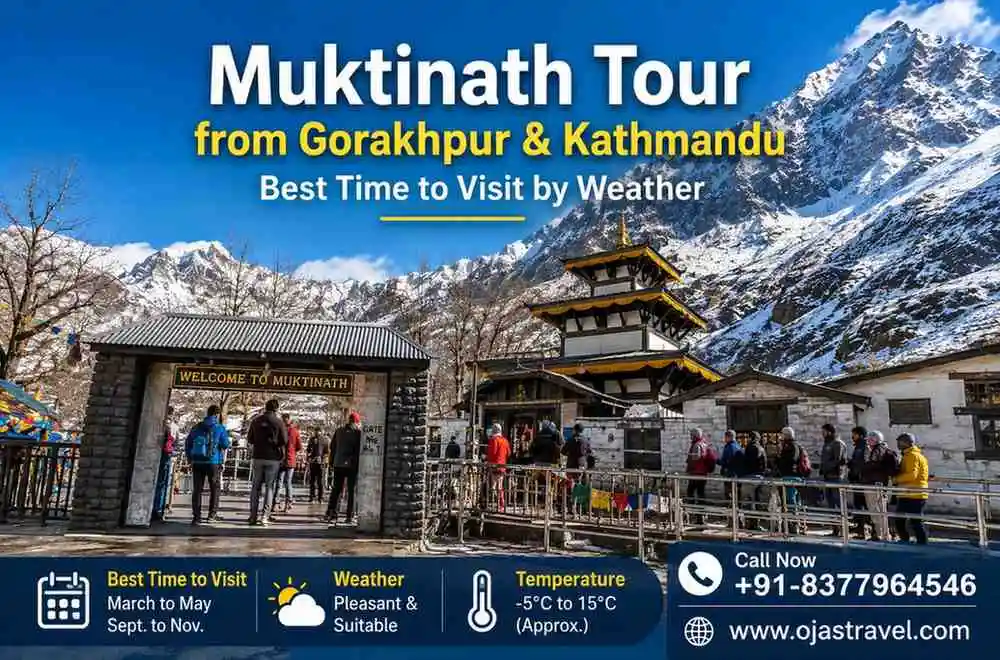
- Best Time to Visit Muktinath Temple
- Weather
- Summer & Monsoon (June to August)
- Weather
- Advantages
- Challenges
- Autumn (September to November) – Peak Season
- Weather
- Why Autumn is Popular
- Weather
- Advantages
- Challenges
- Month-by-Month Weather Guide
- Time Required
- Ranipauwa
- Facilities
- Jomsom
- Suitable For
- Pokhara
- What to Pack for Muktinath Yatra
- Clothing
- Footwear
- Personal Essentials
- Medicines
- Food at Muktinath
- Shopping Near Muktinath
- Common Symptoms
- Prevention Tips
- Travel Tips for Families and Senior Citizens
- Photography Tips
- Top Attractions Near Muktinath Temple
- 1. Jwala Mai Temple
- 2. Kagbeni Village
- 3. Jomsom
- 4. Marpha Village
- 5. Pokhara
- Suggested Muktinath Itinerary
- 5 Days Muktinath Tour
- Day 1
- Day 2
- Day 3
- Day 4
- Day 5
- 7 Days Muktinath Tour
- Day 1
- Day 2
- Day 3
- Day 4
- Day 5
- Day 6
- Day 7
- Estimated Muktinath Tour Cost
- Do's and Don'ts
- Do's
- Don'ts
- Responsible Tourism Tips
- Frequently Asked Questions (FAQs)
- 1. Where is Muktinath Temple located?
- 2. Why is Muktinath Temple famous?
- 3. Can Indian citizens visit Muktinath without a visa?
- 4. Which is the nearest airport to Muktinath?
- 5. How far is Muktinath from Pokhara?
- 6. Is Muktinath suitable for senior citizens?
- 7. What is the best month to visit Muktinath?
- 8. Is there snowfall at Muktinath?
- 9. How long does Muktinath Darshan take?
- 10. Is photography allowed?
- 11. What should I wear during the Muktinath Yatra?
- 12. Is a helicopter tour worth it?
- Final Conclusion
- Book Your Muktinath Tour Package with OjasTravel
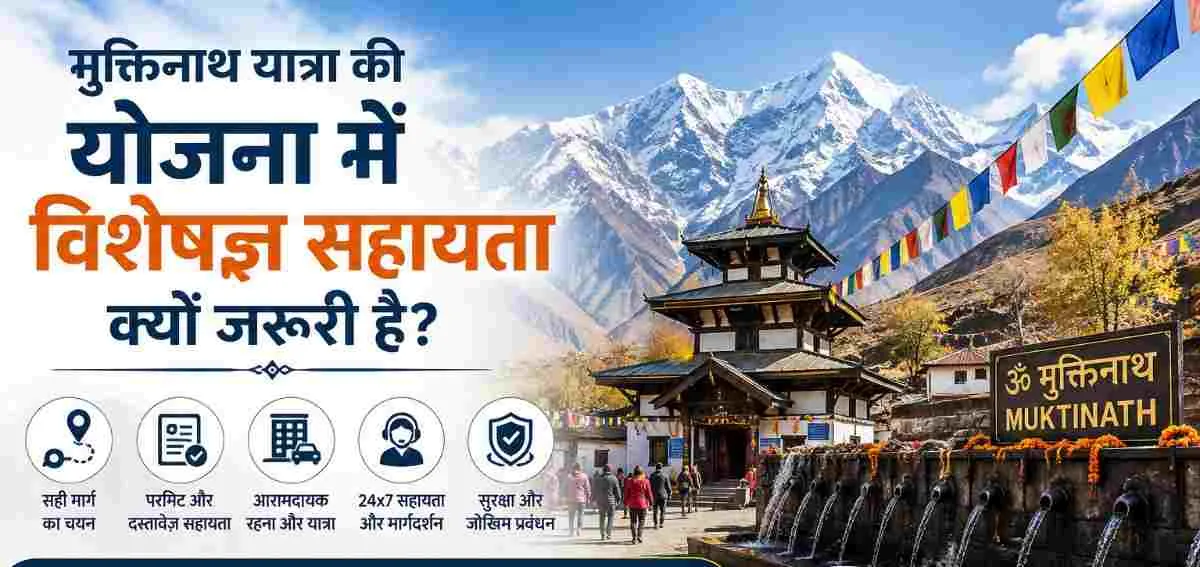
Muktinath Temple is one of the holiest pilgrimage sites in Nepal and a dream destination for Hindu and Buddhist devotees. Located at an altitude of approximately 3,800 meters (12,467 feet) in the Mustang district, this sacred temple is believed to grant moksha (liberation) from the cycle of birth and death. Every year, thousands of pilgrims from India, Nepal, and around the world visit Muktinath to seek blessings, take a holy bath under the 108 water spouts, and experience the spiritual atmosphere of the Himalayas.
Apart from its religious significance, Muktinath is also famous for its breathtaking mountain landscapes, peaceful surroundings, and rich cultural heritage. Snow-capped peaks, ancient monasteries, traditional villages, and the sacred Kali Gandaki River make the journey as memorable as the destination itself.
Whether you are planning your first pilgrimage or looking for detailed travel information, this complete guide covers everything you need to know about Muktinath Temple, including its history, significance, how to reach, routes from Gorakhpur and Kathmandu, helicopter and road options, best time to visit, hotels, darshan timings, permits, weather, packing tips, and frequently asked questions.
History of Muktinath Temple
The history of Muktinath Temple dates back thousands of years and is deeply rooted in Hindu and Buddhist traditions.
According to Hindu mythology, Muktinath is one of the 108 Divya Desams, the sacred temples dedicated to Lord Vishnu. It is believed that Lord Vishnu appeared here to bless devotees and free them from sins and worldly attachments. The temple is also known as Mukti Kshetra, which means "the place of liberation."
Another popular legend says that Lord Vishnu was transformed into a sacred stone known as Shaligram after being cursed by Goddess Tulsi. These Shaligram stones are found in the Kali Gandaki River flowing near Muktinath and are worshipped by millions of devotees.
For Buddhists, Muktinath is equally sacred. They call it Chumig Gyatsa, meaning "Hundred Waters." Guru Padmasambhava (Guru Rinpoche), who introduced Buddhism to Tibet, is believed to have meditated here. Many Buddhist monks and pilgrims visit Muktinath every year to pay their respects.
The unique combination of Hinduism and Buddhism makes Muktinath one of the few pilgrimage sites where followers of both religions worship together in harmony.
Religious Significance of Muktinath Temple
The word "Muktinath" comes from two Sanskrit words:
- Mukti = Liberation
- Nath = Lord
Thus, Muktinath means "The Lord of Liberation."
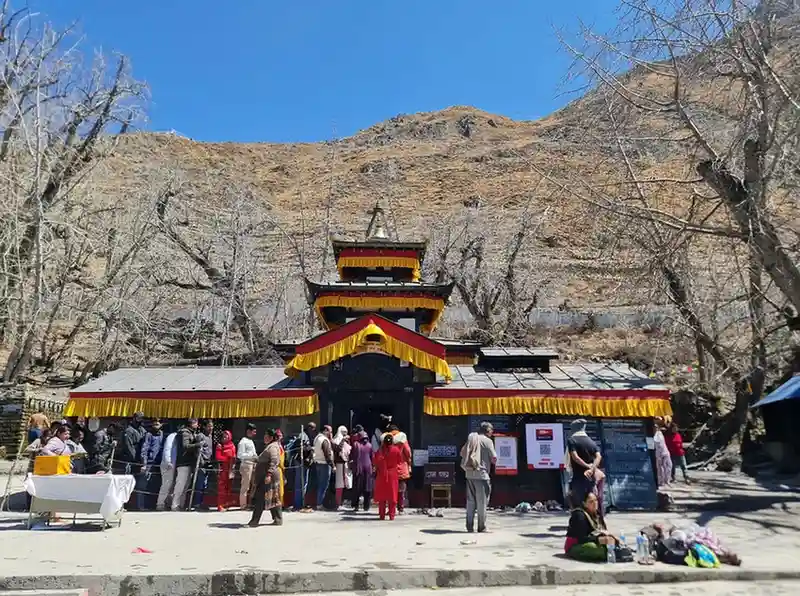
Hindus believe that visiting Muktinath and taking a bath under the sacred 108 water spouts washes away past sins and helps attain moksha. Many pilgrims also perform rituals for their ancestors and seek blessings for peace, prosperity, and spiritual growth.
One of the temple's most remarkable features is the 108 sacred water spouts, shaped like bull heads, through which icy Himalayan water continuously flows. Pilgrims traditionally walk beneath all 108 spouts as an act of purification.
Inside the temple, the main deity is a golden idol of Lord Vishnu (Sri Mukti Narayan). The temple complex also includes shrines dedicated to Goddess Lakshmi, Saraswati, Janaki, Garuda, and other deities.
Another sacred attraction is the Jwala Mai Temple, where a natural eternal flame burns alongside water and gas emissions. This rare natural phenomenon is considered a symbol of the harmony of the five elements—earth, water, fire, air, and sky.
Why Visit Muktinath Temple?
Muktinath is much more than a pilgrimage destination. It offers a unique blend of spirituality, adventure, culture, and natural beauty.
1. Spiritual Experience
Pilgrims believe that a visit to Muktinath brings inner peace and spiritual fulfillment. The serene atmosphere and sacred rituals create a deeply meaningful experience.
2. One of the 108 Divya Desams
For followers of Lord Vishnu, visiting Muktinath is considered one of the most important spiritual journeys.
3. Sacred Shaligram Stones
The nearby Kali Gandaki River is the only place in the world where authentic Shaligram stones are naturally found.
4. Himalayan Beauty
The route to Muktinath offers spectacular views of the Annapurna and Dhaulagiri mountain ranges, making the journey unforgettable.
5. Hindu–Buddhist Harmony
Very few places in the world are equally revered by both Hindus and Buddhists. Muktinath is a living example of religious harmony.
Where is Muktinath Temple Located?
Muktinath Temple is located in the Mustang District of Nepal, approximately 20 km from Jomsom and around 380 km from Kathmandu by road.
Altitude: 3,800 meters (12,467 feet)
The temple lies within the Annapurna Conservation Area and is surrounded by dramatic Himalayan landscapes, deep valleys, and traditional mountain villages.
Interesting Facts About Muktinath Temple
- One of the 108 Divya Desams of Lord Vishnu.
- Sacred to both Hindus and Buddhists.
- Located at an altitude of approximately 3,800 meters.
- Famous for 108 holy water spouts.
- Home to the eternal flame (Jwala Mai).
- Shaligram stones are found in the nearby Kali Gandaki River.
- Thousands of pilgrims visit during Ram Navami, Janai Purnima, and other major festivals.
Who Should Visit Muktinath?
Muktinath is an ideal destination for:
- Hindu pilgrims seeking spiritual blessings.
- Buddhist pilgrims exploring sacred Himalayan sites.
- Senior citizens looking for a meaningful pilgrimage.
- Families planning a religious vacation.
- Adventure travelers interested in Mustang and the Annapurna region.
- Photographers and nature lovers seeking breathtaking Himalayan scenery.
Highlights of a Muktinath Tour
A typical Muktinath itinerary may include:
- Kathmandu sightseeing.
- Pokhara city tour.
- Scenic drive or flight to Jomsom.
- Jeep ride or helicopter transfer to Muktinath.
- Holy bath under the 108 water spouts.
- Darshan at Muktinath Temple.
- Visit to Jwala Mai Temple.
- Exploration of Kagbeni village.
- Shopping for local handicrafts and souvenirs.
Why Choose a Muktinath Tour Package?
Booking a professionally organized Muktinath Tour Package offers several advantages:
- Comfortable transportation.
- Hotel accommodation.
- Experienced local guides.
- Assistance with permits and logistics.
- Flexible itinerary options.
- Better safety and convenience in high-altitude areas.
For most travelers, especially families and senior citizens, a tour package reduces planning stress and allows them to focus on the pilgrimage.
How to Reach Muktinath Temple, Routes, Helicopter vs Road, Permits & Travel Cost
Muktinath Temple is located in the Mustang District of Nepal, at an altitude of 3,800 meters (12,467 feet). Although the temple is situated in the Himalayas, reaching Muktinath has become much easier due to improved roads, domestic flights, helicopter services, and well-organized tour packages.
Whether you are traveling from India, Kathmandu, Pokhara, or Gorakhpur, there are multiple options to reach this sacred destination.
How to Reach Muktinath Temple from India
Indian pilgrims usually enter Nepal through one of these border points:
- Sunauli Border (Uttar Pradesh)
- Raxaul Border (Bihar)
- Panitanki Border (West Bengal)
- Banbasa Border (Uttarakhand)
The Sunauli Border is the most popular route for travelers coming from Gorakhpur.
After entering Nepal, you can continue your journey by road or flight.
How to Reach Muktinath from Kathmandu
Kathmandu is the main gateway for Muktinath Yatra. There are three popular ways to travel.
Option 1: Kathmandu → Pokhara → Jomsom → Muktinath (Most Popular)
Route
Kathmandu → Pokhara → Jomsom → Muktinath
Journey Details
- Kathmandu to Pokhara
- Tourist Bus: 7–8 hours
- Private Vehicle: 6–7 hours
- Flight: 25–30 minutes
- Pokhara to Jomsom
- Domestic Flight: 20–25 minutes
- Jomsom to Muktinath
- Jeep: 1.5–2 hours
- Horse Ride: Available from Ranipauwa
- Walking: Around 45–60 minutes from Ranipauwa
Ideal For
- Families
- Senior citizens
- First-time visitors
Option 2: Complete Road Journey
Route:
Kathmandu → Pokhara → Beni → Tatopani → Ghasa → Marpha → Jomsom → Kagbeni → Ranipauwa → Muktinath
Total Distance
Approximately 380–400 km
Travel Time
10–12 hours (may vary depending on road and weather conditions)
Advantages
- Scenic Himalayan landscapes
- Lower cost
- Flexible sightseeing
- Opportunity to explore villages and viewpoints
Option 3: Helicopter Tour
Kathmandu → Muktinath → Kathmandu
Travel Time:
Approximately 1.5–2 hours (round trip flight time, excluding landing and darshan)
Advantages
- Fastest option
- Ideal for elderly pilgrims
- Comfortable
- Suitable for travelers with limited time
How to Reach Muktinath from Pokhara
Pokhara is the closest major tourist city to Muktinath.
Option 1 – Flight + Jeep
Pokhara → Jomsom (Flight)
20–25 minutes
Jomsom → Muktinath (Jeep)
1.5–2 hours
Total Travel Time
Around 3–4 hours
Option 2 – Road
Pokhara → Beni → Tatopani → Ghasa → Marpha → Jomsom → Kagbeni → Ranipauwa
Travel Time
8–10 hours
How to Reach Muktinath from Gorakhpur
This is one of the most popular routes for Indian pilgrims.
Route
Gorakhpur → Sunauli Border → Bhairahawa → Pokhara → Jomsom → Muktinath
Step-by-Step Journey
Step 1
Gorakhpur to Sunauli Border
Distance: Approximately 95 km
Travel Time: Around 2–3 hours
Step 2
Complete immigration formalities and enter Nepal.
Indian citizens generally do not require a visa but should carry valid identity documents.
Step 3
Travel from Bhairahawa to Pokhara
Distance: Approximately 200 km
Travel Time: 6–8 hours
Step 4
Continue from Pokhara to Jomsom and then to Muktinath.
How to Reach Muktinath from Kathmandu by Helicopter
Helicopter services are the most convenient option for travelers with limited time.
Typical itinerary:
- Early morning departure from Kathmandu
- Fly directly to Muktinath
- Darshan and holy bath
- Return to Kathmandu the same day
Suitable For
- Senior citizens
- Corporate travelers
- NRIs
- Luxury travelers
- Families with elderly members
Road Journey vs Helicopter – Which is Better?
| Feature | Road Journey | Helicopter |
|---|---|---|
| Budget | More economical | Premium option |
| Time | 2–3 days | Same day |
| Comfort | Moderate | Excellent |
| Scenic Experience | Extensive | Aerial Himalayan views |
| Photography | Excellent | Excellent |
| Adventure | High | Moderate |
| Suitable for Seniors | Moderate | Highly recommended |
Which One Should You Choose?
Choose a road trip if you enjoy mountain landscapes, local culture, and a leisurely pilgrimage.
Choose a helicopter tour if you have limited time, are traveling with elderly family members, or prefer maximum comfort.
Permits Required for Muktinath
Muktinath lies within the Annapurna Conservation Area, so travelers generally need the required conservation permits applicable to the region.
Most organized Muktinath Tour Packages arrange these permits on behalf of travelers.
Documents Required
For Indian Citizens:
- Valid Passport or
- Voter ID Card (commonly accepted for entry into Nepal)
It is advisable to carry multiple photocopies of your identification and recent passport-size photographs for travel formalities.
Transportation Options
Tourist Bus
Best for budget travelers.
Private Car
Ideal for families and small groups.
Scorpio / Jeep
The most popular option for the mountain roads leading to Muktinath.
Domestic Flight
Fastest way to reach Jomsom from Pokhara.
Helicopter
Most convenient option for same-day pilgrimage.
Horse Ride
Available from Ranipauwa to the temple entrance for pilgrims who prefer not to walk.
Approximate Travel Cost
| Travel Type | Approximate Budget (Per Person) |
|---|---|
| Budget Road Tour | ₹18,000–₹30,000 |
| Standard Tour | ₹30,000–₹50,000 |
| Deluxe Tour | ₹50,000–₹80,000 |
| Helicopter Tour | ₹1,20,000–₹2,00,000+ (depending on group size and operator) |
Prices are indicative and may vary by season, accommodation, transportation, and inclusions.
Suggested Itinerary
5 Days
- Day 1 – Arrive in Kathmandu
- Day 2 – Kathmandu to Pokhara
- Day 3 – Pokhara to Muktinath Darshan
- Day 4 – Return to Pokhara
- Day 5 – Return to Kathmandu / Departure
7 Days
- Kathmandu sightseeing
- Pokhara sightseeing
- Jomsom
- Muktinath Darshan
- Kagbeni
- Optional visits to nearby attractions
- Departure
Important Travel Tips
- Start early each morning, as mountain weather can change quickly.
- Keep buffer time in your itinerary because flights to Jomsom are weather-dependent.
- Stay hydrated and avoid rushing at high altitude.
- Wear comfortable trekking or walking shoes with good grip.
- Carry sufficient cash, as ATMs are limited in remote areas.
- Keep warm clothing, even during summer, because mornings and evenings can be cold.
Best Time to Visit, Weather, Hotels, Darshan Timings, Packing List & Travel Tips
Planning your Muktinath Yatra at the right time can make your journey safer and more enjoyable. Since the temple is located at an altitude of 3,800 meters (12,467 feet) in Nepal's Mustang district, weather conditions change throughout the year. Understanding the climate, accommodation options, darshan timings, and essential packing tips will help you prepare for a smooth pilgrimage.
Best Time to Visit Muktinath Temple
Muktinath Temple remains open throughout the year, but the travel experience varies significantly by season.
Spring (March to May) – Best Season
Spring is considered one of the best times for Muktinath Yatra.
Weather
- Day Temperature: 10°C to 20°C
- Night Temperature: 0°C to 5°C
Why Visit During Spring?
- Pleasant weather
- Clear mountain views
- Comfortable road travel
- Rhododendron flowers in bloom
- Excellent conditions for photography
This season is ideal for families, senior citizens, and first-time visitors.
Summer & Monsoon (June to August)
Summer brings warmer temperatures, but the monsoon season can affect travel.
Weather
- Day Temperature: 15°C to 22°C
- Night Temperature: 8°C to 12°C
Advantages
- Green landscapes
- Fewer crowds
- Cooler temperatures in the mountains
Challenges
- Rain may affect roads between Pokhara and Jomsom.
- Flight schedules can change due to weather.
- Landslides are possible in some areas.
If you travel during this period, keep an extra day in your itinerary as a buffer.
Autumn (September to November) – Peak Season
Autumn is widely regarded as the best time to visit Muktinath.
Weather
- Day Temperature: 10°C to 18°C
- Night Temperature: 0°C to 5°C
Why Autumn is Popular
- Crystal-clear Himalayan views
- Stable weather
- Comfortable temperatures
- Festive atmosphere in Nepal
- Excellent road and flight conditions
Most pilgrims choose September, October, and November for their Muktinath Yatra.
Winter (December to February)
Winter transforms Muktinath into a snowy Himalayan pilgrimage destination.
Weather
- Day Temperature: -2°C to 8°C
- Night Temperature: -10°C to -2°C
Advantages
- Snow-covered landscapes
- Peaceful environment
- Fewer tourists
Challenges
- Extreme cold
- Snowfall may affect road access
- Warm clothing is essential
Winter travel is best suited for experienced travelers who are comfortable in cold weather.
Month-by-Month Weather Guide
| Month | Temperature | Travel Recommendation |
|---|---|---|
| January | -10°C to 5°C | Cold but possible |
| February | -8°C to 8°C | Good with warm clothing |
| March | 0°C to 15°C | Excellent |
| April | 5°C to 18°C | Excellent |
| May | 8°C to 20°C | Excellent |
| June | 10°C to 22°C | Good |
| July | 12°C to 22°C | Moderate |
| August | 12°C to 20°C | Moderate |
| September | 8°C to 18°C | Excellent |
| October | 5°C to 17°C | Best Month |
| November | 2°C to 15°C | Excellent |
| December | -5°C to 8°C | Good with precautions |
Muktinath Temple Darshan Timings
Temple timings may vary slightly depending on the season and local management, but pilgrims can generally expect:
- Morning: 6:00 AM – 12:00 PM
- Afternoon: 1:00 PM – 7:00 PM
Best Time for Darshan
Early morning is considered the most peaceful time for darshan, with fewer crowds and pleasant weather.
Time Required
- Temple Darshan: 30–45 minutes
- Holy Bath at 108 Water Spouts: 20–30 minutes
- Jwala Mai Temple Visit: 15–20 minutes
Plan around 2–3 hours to comfortably explore the temple complex.
Accommodation Near Muktinath
Although Muktinath is located in a remote Himalayan region, there are several accommodation options for pilgrims.
Ranipauwa
Ranipauwa is the closest town to Muktinath Temple.
Facilities
- Budget hotels
- Guesthouses
- Family lodges
- Restaurants
- Small shops
- Medical assistance
Most pilgrims stay here overnight before or after darshan.
Jomsom
Jomsom offers a wider range of accommodation options.
Suitable For
- Families
- Luxury travelers
- Group tours
- Adventure tourists
Facilities include:
- Deluxe hotels
- Boutique lodges
- Cafés
- ATMs (limited)
- Vehicle rentals
Pokhara
Many travelers prefer to stay in Pokhara and visit Muktinath as part of a longer itinerary.
Pokhara offers:
- Luxury resorts
- Mid-range hotels
- Budget accommodations
- Lakeside cafés
- Shopping areas
What to Pack for Muktinath Yatra
Packing wisely is essential because weather conditions can change quickly in the Himalayas.
Clothing
- Thermal innerwear
- Warm jacket
- Windproof outer layer
- Woolen cap
- Gloves
- Warm socks
- Comfortable trekking pants
- Rain jacket (during monsoon)
Footwear
- Trekking shoes with good grip
- Comfortable sandals or slippers for hotel use
Personal Essentials
- Valid ID (Passport or Voter ID for Indian citizens)
- Passport-size photographs
- Mobile charger
- Power bank
- Sunglasses
- Sunscreen (SPF 50+)
- Lip balm
- Moisturizer
- Water bottle
Medicines
Carry basic medicines after consulting your doctor, especially if you have existing medical conditions.
Useful items include:
- Personal prescription medicines
- Motion sickness tablets
- Pain relief medication
- Cold and cough medicine
- Oral rehydration salts (ORS)
- Band-aids and antiseptic cream
Food at Muktinath
Pilgrims will find simple vegetarian and local meals in Ranipauwa and Jomsom.
Common options include:
- Dal Bhat
- Vegetable Curry
- Rice
- Noodles
- Soup
- Tea and Coffee
- Bread and Eggs (where available)
Drink bottled or purified water and avoid overeating immediately after reaching high altitude.
Shopping Near Muktinath
Popular souvenirs include:
- Shaligram stones (purchase only from authorized or ethical sources)
- Prayer flags
- Buddhist handicrafts
- Tibetan jewelry
- Woolen shawls
- Handmade souvenirs
- Local herbal products
Altitude Sickness Tips
Since Muktinath is located at 3,800 meters, some travelers may experience symptoms of altitude sickness.
Common Symptoms
- Headache
- Dizziness
- Fatigue
- Shortness of breath
- Nausea
Prevention Tips
- Ascend gradually whenever possible.
- Drink plenty of water.
- Avoid alcohol and smoking.
- Eat light meals.
- Take adequate rest.
- Consult your doctor before the trip if you have heart or lung conditions.
If symptoms become severe, seek medical assistance and descend to a lower altitude if advised.
Travel Tips for Families and Senior Citizens
- Choose a well-planned tour package with comfortable transportation.
- Allow enough time for acclimatization.
- Wear layered clothing to adapt to changing temperatures.
- Keep emergency contact numbers handy.
- Carry extra cash, as digital payments may not be available everywhere.
- Book hotels and flights in advance during the peak season.
Photography Tips
Muktinath offers spectacular opportunities for photography.
Best locations include:
- Temple entrance
- 108 Water Spouts
- Jwala Mai Temple surroundings
- Annapurna mountain views
- Kali Gandaki Valley
- Traditional Mustang villages
Remember to respect local customs and avoid photographing restricted religious areas without permission.
Top Attractions Near Muktinath Temple
1. Jwala Mai Temple
Located within the Muktinath Temple complex, Jwala Mai Temple is famous for its eternal natural flame, which burns continuously from natural gas. The combination of fire, water, and earth at one place makes it one of Nepal's most unique religious sites.
Distance: Inside the temple complex
2. Kagbeni Village
Kagbeni is one of the oldest villages in the Mustang region and serves as the gateway to Upper Mustang. Its narrow stone lanes, traditional houses, monasteries, and Himalayan views attract both pilgrims and photographers.
Distance from Muktinath: Approximately 13 km
Highlights
- Ancient monastery
- Kali Gandaki River
- Traditional Tibetan culture
- Beautiful mountain scenery
3. Jomsom
Jomsom is the administrative headquarters of Mustang and the main stop for travelers visiting Muktinath.
Popular Attractions
- Apple orchards
- Kali Gandaki River
- Local markets
- Scenic mountain views
4. Marpha Village
Marpha is often called the Apple Capital of Nepal. It is known for its whitewashed houses, peaceful streets, monasteries, and delicious apple products.
Must Try
- Apple juice
- Apple pie
- Apple brandy
- Dried apples
5. Pokhara
Pokhara is one of Nepal's most beautiful cities and is often included in Muktinath tour packages.
Top Places to Visit
- Phewa Lake
- Davis Falls
- Gupteshwor Cave
- World Peace Pagoda
- Sarangkot Sunrise Point
- Bindhyabasini Temple
Suggested Muktinath Itinerary
5 Days Muktinath Tour
Day 1
Arrival in Kathmandu
- Airport pickup
- Hotel check-in
- Evening free
Day 2
Kathmandu → Pokhara
- Drive or flight
- Lakeside sightseeing
- Overnight stay
Day 3
Pokhara → Jomsom → Muktinath
- Early morning flight or road journey
- Jeep to Muktinath
- Darshan
- Holy bath
- Visit Jwala Mai Temple
- Overnight in Jomsom or Ranipauwa
Day 4
Return to Pokhara
- Optional sightseeing
- Leisure time
Day 5
Return to Kathmandu
Departure
7 Days Muktinath Tour
Day 1
Arrival in Kathmandu
Day 2
Kathmandu Sightseeing
- Pashupatinath Temple
- Boudhanath Stupa
- Swayambhunath
- Kathmandu Durbar Square
Day 3
Drive/Fly to Pokhara
Day 4
Muktinath Darshan
Day 5
Visit Kagbeni & Jomsom
Day 6
Return to Kathmandu
Day 7
Departure
Estimated Muktinath Tour Cost
The total cost depends on the travel style, accommodation, transportation, and group size.
| Package Type | Approximate Cost (Per Person) |
|---|---|
| Budget Road Tour | ₹18,000–₹30,000 |
| Standard Tour | ₹30,000–₹50,000 |
| Deluxe Tour | ₹50,000–₹80,000 |
| Luxury Tour | ₹80,000+ |
| Helicopter Tour | ₹1,20,000–₹2,00,000+ |
Do's and Don'ts
Do's
- Carry valid identification.
- Wear warm layered clothing.
- Respect local customs and temple rules.
- Stay hydrated.
- Start your journey early.
- Keep emergency contact numbers handy.
- Purchase travel insurance if desired.
Don'ts
- Do not litter.
- Avoid alcohol before visiting the temple.
- Avoid climbing or sitting on religious structures.
- Do not disturb monks or worshippers during prayers.
- Do not remove natural or religious artifacts from protected areas.
- Avoid overexertion at high altitude.
Responsible Tourism Tips
- Support local businesses by purchasing locally made handicrafts.
- Use reusable water bottles where possible.
- Dispose of waste responsibly.
- Respect local culture, traditions, and photography restrictions.
- Minimize plastic usage.
- Stay on designated roads and trails.
Frequently Asked Questions (FAQs)
1. Where is Muktinath Temple located?
Muktinath Temple is located in Nepal's Mustang District at an altitude of approximately 3,800 meters (12,467 feet).
2. Why is Muktinath Temple famous?
It is one of the 108 Divya Desams of Lord Vishnu and is believed to grant moksha (liberation). It is also sacred to Buddhists.
3. Can Indian citizens visit Muktinath without a visa?
Indian citizens generally do not need a visa to enter Nepal, but they should carry valid identification such as a passport or voter ID card.
4. Which is the nearest airport to Muktinath?
The nearest airport is Jomsom Airport.
5. How far is Muktinath from Pokhara?
Approximately 170–180 km by road, depending on the route taken.
6. Is Muktinath suitable for senior citizens?
Yes. Many senior citizens visit Muktinath every year. Helicopter tours and well-planned package tours can make the journey more comfortable.
7. What is the best month to visit Muktinath?
April, May, September, October, and November are generally considered the best months due to pleasant weather and clear mountain views.
8. Is there snowfall at Muktinath?
Yes. Snowfall is common during winter, especially between December and February.
9. How long does Muktinath Darshan take?
Most visitors complete darshan, the holy bath, and a visit to Jwala Mai Temple in 2–3 hours.
10. Is photography allowed?
Photography is generally allowed in outdoor areas. Always follow temple rules and seek permission before photographing people or restricted areas.
11. What should I wear during the Muktinath Yatra?
Wear layered clothing, comfortable trekking shoes, gloves, a warm jacket, and a cap. Weather can change quickly, even during warmer months.
12. Is a helicopter tour worth it?
If you have limited time, are traveling with elderly family members, or prefer a more comfortable journey, a helicopter tour is an excellent option.
Final Conclusion
Muktinath Temple is much more than a pilgrimage destination—it is a place where spirituality, history, culture, and the beauty of the Himalayas come together. From the sacred 108 water spouts and the eternal flame of Jwala Mai to the breathtaking landscapes of Mustang, every part of the journey leaves a lasting impression.
Whether you travel by road through Pokhara and Jomsom or choose the convenience of a helicopter tour, proper planning will help you enjoy a safe and meaningful pilgrimage. Visiting Muktinath is not only about reaching a temple; it is about experiencing one of the most revered spiritual destinations in Nepal.
Book Your Muktinath Tour Package with OjasTravel
Planning a hassle-free Muktinath Yatra? OjasTravel offers customized Muktinath Tour Packages from India with comfortable transportation, quality accommodation, experienced local assistance, and flexible itineraries.
Whether you're traveling with family, senior citizens, or a private group, our team can help you choose the right package based on your budget and schedule.
Contact OjasTravel today and begin your sacred journey to one of Nepal's most divine pilgrimage destinations.