

Visited India for the first time and the trip to Haridwar was amazing. Beautiful, peaceful, and well-coordinated.
Temple Travel Guide
Pashupatinath Temple
Best time: Year-round
Flexible hours
Custom & group tours available
Expert planning support
About Pashupatinath Temple
Pashupatinath Temple – Complete Destination Guide
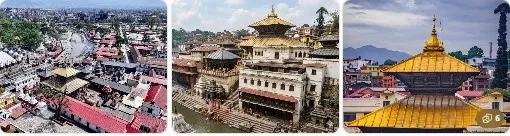
Pashupatinath Temple is one of the most sacred Hindu temples dedicated to Lord Shiva. Located on the banks of the Bagmati River in Kathmandu, Nepal, the temple is a UNESCO World Heritage Site and an important pilgrimage destination for devotees from Nepal, India, and around the world. The temple complex is renowned for its beautiful pagoda-style architecture, centuries-old shrines, spiritual atmosphere, and daily rituals that reflect Nepal's rich religious heritage.
History
The origins of Pashupatinath Temple date back to ancient times, with references found in historical texts from the 5th century AD. According to Hindu mythology, Lord Shiva once took the form of a deer and wandered through the forests of the Kathmandu Valley. When the gods discovered him, one of his antlers broke and became a sacred Shiva Lingam, leading to the establishment of the temple.
Over the centuries, the temple has undergone several renovations by various Nepalese kings, preserving its religious and architectural significance.
Religious Significance
Pashupatinath is regarded as one of the holiest temples of Lord Shiva. The word "Pashupati" means "Lord of All Living Beings." Thousands of devotees visit the temple daily to seek blessings, especially during Maha Shivaratri, when pilgrims and sadhus from across the world gather here.
The temple is also an important site for Hindu cremation ceremonies, performed on the ghats along the Bagmati River, symbolizing the cycle of life and liberation (moksha).
Architecture
The temple showcases classic Nepalese pagoda architecture.
Highlights include:
- Two-tiered golden roof
- Silver-covered entrance doors
- Four-faced Shiva Lingam
- Beautiful wooden carvings
- Sacred Nandi Bull statue
- Numerous small temples and shrines
- Traditional stone sculptures
The sprawling temple complex covers several acres and contains over 500 temples, shrines, monasteries, and religious monuments.
Major Attractions Inside the Temple Complex
Main Shiva Temple
The primary shrine houses the sacred four-faced Shiva Lingam. Only Hindus are permitted to enter the inner sanctum.
Bagmati River Ghats
The sacred riverbank is used for ritual bathing, evening Aarati, and traditional cremation ceremonies.
Evening Aarati
Every evening, priests perform a mesmerizing Aarati with lamps, chanting, bells, and devotional music that attracts hundreds of visitors.
Nandi Bull Statue
A giant bronze statue of Lord Shiva's vehicle, Nandi, stands facing the main temple.
Numerous Ancient Shrines
The complex features temples dedicated to Vishnu, Hanuman, Ganesha, Parvati, and other Hindu deities.
Best Time to Visit Pashupatinath Temple
The ideal time to visit Pashupatinath Temple is:
- October to December: Pleasant weather and clear skies.
- February to April: Comfortable temperatures and vibrant festivals.
- Maha Shivaratri: The grandest celebration, attracting thousands of devotees.
- Teej Festival: A significant festival celebrated by Hindu women.
Avoid heavy monsoon months (June–August) due to frequent rainfall.
Temple Timings
- Morning Opening: 4:00 AM
- Main Temple Darshan: 5:00 AM onwards
- Evening Aarati: Around 6:00 PM (timing varies seasonally)
- Temple Closing: Approximately 9:00 PM
Entry Information
- Entry to the temple complex is allowed for visitors.
- Only practicing Hindus may enter the main sanctum.
- Non-Hindu visitors can explore the outer complex and enjoy excellent views from the eastern bank of the Bagmati River.
How to Reach Pashupatinath Temple
By Air
The nearest airport is Tribhuvan International Airport, located about 3–5 km from the temple. Taxis are readily available.
By Road
The temple is well connected to all parts of Kathmandu by taxis, local buses, and ride-hailing services.
Pashupatinath Temple Tour From India
Travelers can fly directly to Kathmandu from major Indian cities such as Delhi, Mumbai, Kolkata, Bengaluru, and Varanasi. Overland routes via Sunauli, Raxaul, or Jogbani are also popular.
Nearby Attractions
- Boudhanath Stupa – One of the largest Buddhist stupas in the world.
- Swayambhunath – Famous Monkey Temple offering panoramic city views.
- Budhanilkantha Temple – Home to the reclining statue of Lord Vishnu.
- Kathmandu Durbar Square – Historic palace complex with traditional Nepalese architecture.
- Garden of Dreams – A peaceful neoclassical garden in the heart of Kathmandu.
Pashupatinath Temple Travel Tips
- Dress modestly and respectfully.
- Remove shoes before entering designated temple areas.
- Photography may be restricted inside certain sections.
- Attend the evening Aarati for a memorable spiritual experience.
- Keep cash for donations and local purchases.
- Hire a licensed guide to learn about the temple's history and rituals.
- Visit early in the morning to avoid crowds.
- Respect religious customs and ongoing ceremonies.
Interesting Facts
- Pashupatinath is one of the most revered Shiva temples in the world.
- It is a UNESCO World Heritage Site.
- The temple's sacred Shiva Lingam has four faces representing different aspects of Lord Shiva.
- More than a million devotees visit during the Maha Shivaratri festival.
- The temple complex includes over 500 temples, shrines, and monuments.
- The Bagmati River is considered sacred and plays a central role in Hindu funeral rites.
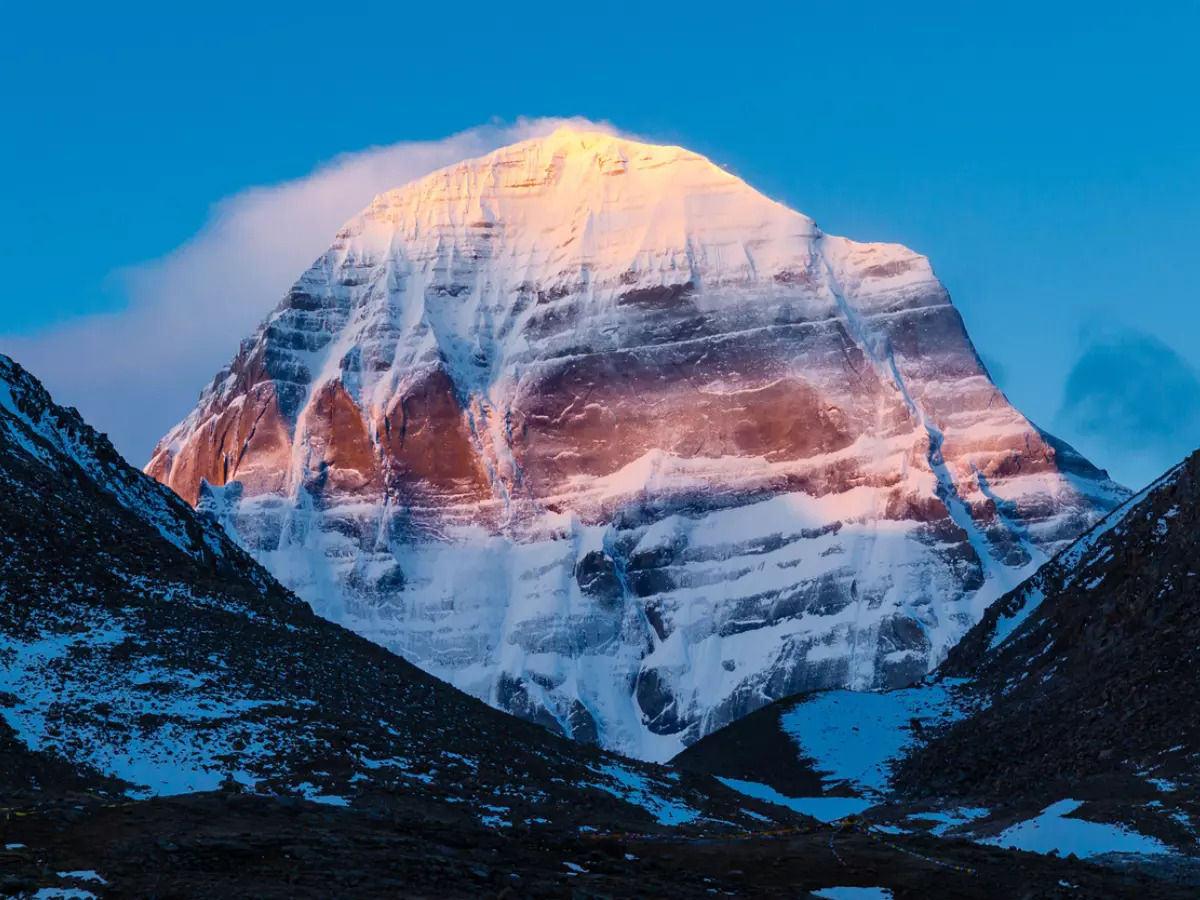
- The temple is an important stop for pilgrims traveling to the Kailash Mansarovar Yatra.
Pashupatinath Temple is not only a place of worship but also a cultural and spiritual landmark that reflects Nepal's rich religious traditions. Whether you are a pilgrim seeking blessings or a traveler interested in history and architecture, a visit to this iconic temple offers a profound and unforgettable experience.
Pashupatinath Temple FAQs
1. Where is Pashupatinath Temple located?
Pashupatinath Temple is located on the banks of the Bagmati River in Kathmandu, Nepal, about 3–5 km from Tribhuvan International Airport. It is one of the holiest Hindu temples dedicated to Lord Shiva.
2. Why is Pashupatinath Temple famous?
The temple is famous as one of the most sacred shrines of Lord Shiva, its centuries-old history, UNESCO World Heritage status, beautiful pagoda-style architecture, and the grand Maha Shivaratri celebrations that attract millions of devotees.
3. Who can enter the main temple?
Only practicing Hindus are permitted to enter the main sanctum of Pashupatinath Temple. Non-Hindu visitors can explore the temple complex and enjoy panoramic views from the opposite side of the Bagmati River.
4. What are the opening hours of Pashupatinath Temple?
The temple generally opens around 4:00 AM and remains open until about 9:00 PM. The evening Bagmati Aarati usually begins around sunset, with timings varying slightly by season.
5. Is there an entry fee for Pashupatinath Temple?
Hindu devotees can enter the temple free of charge. Foreign visitors who are not entering the sanctum may need to pay an entry fee for the temple complex. It is advisable to check the latest fee before visiting.
6. What is the best time to visit Pashupatinath Temple?
The best time to visit is from October to April when the weather is pleasant. Maha Shivaratri is the most significant festival, while early mornings and evenings offer a peaceful spiritual experience.
7. How do I reach Pashupatinath Temple?
The temple is easily accessible by taxi, local bus, or private vehicle from anywhere in Kathmandu. Tribhuvan International Airport is only a short drive away, making it convenient for international travelers.
8. How far is Pashupatinath Temple from Kathmandu Airport?
Pashupatinath Temple is approximately 3–5 kilometers from Tribhuvan International Airport and can usually be reached in 10–15 minutes, depending on traffic.
9. What is the significance of the Bagmati River?
The Bagmati River is considered sacred by Hindus. It is used for religious rituals, holy bathing, and traditional cremation ceremonies, symbolizing the journey of life and liberation (moksha).
10. What is special about the Shiva Lingam at Pashupatinath?
The temple houses a unique four-faced Shiva Lingam representing Lord Shiva in four directions, symbolizing creation, preservation, destruction, and divine grace.
11. Can visitors attend the evening Aarati?
Yes. Visitors can witness the spectacular evening Bagmati Aarati from the riverbank. The ceremony includes devotional chanting, lamps, bells, and prayers, creating a memorable spiritual atmosphere.
12. What should I wear when visiting Pashupatinath Temple?
Visitors should wear modest clothing that covers the shoulders and knees. Comfortable footwear is recommended, as shoes must be removed before entering designated temple areas.
13. Are photography and videography allowed?
Photography is generally permitted in the outer temple complex. However, photography inside the main temple and during certain religious ceremonies may be restricted. Always follow posted guidelines.
14. Which attractions are near Pashupatinath Temple?
Popular nearby attractions include Boudhanath Stupa, Swayambhunath (Monkey Temple), Kathmandu Durbar Square, Budhanilkantha Temple, and the Garden of Dreams.
15. Is Pashupatinath Temple included in Nepal pilgrimage tours?
Yes. Pashupatinath Temple is one of the most important stops on Nepal pilgrimage tours and is often combined with visits to Boudhanath, Muktinath, Janakpur, Lumbini, and other sacred destinations.
16. Is Pashupatinath Temple connected to the Kailash Mansarovar Yatra?
Yes. Many pilgrims visit Pashupatinath Temple before or after the Kailash Mansarovar Yatra to seek the blessings of Lord Shiva. It is considered an auspicious beginning or conclusion to the sacred pilgrimage.
17. Which festivals are celebrated at Pashupatinath Temple?
The temple hosts grand celebrations during Maha Shivaratri, Teej, Shravan Mondays, Bala Chaturdashi, and other important Hindu festivals, attracting devotees from Nepal, India, and around the world.
18. How much time should I spend at Pashupatinath Temple?
Most visitors spend 2–4 hours exploring the temple complex, attending rituals, observing the Bagmati River ceremonies, and visiting nearby attractions.
19. Is Pashupatinath Temple suitable for international tourists?
Yes. International tourists are welcome to visit the temple complex, learn about Nepal's Hindu traditions, admire its architecture, and experience its spiritual atmosphere, although access to the main sanctum is reserved for Hindus.
20. Why should I visit Pashupatinath Temple?
Pashupatinath Temple offers a unique blend of spirituality, history, architecture, and culture. It is one of the most significant Hindu pilgrimage sites in the world and provides an unforgettable experience for pilgrims, history enthusiasts, and travelers exploring Nepal.
Share this guide
Latest Blog Posts
Latest News: Pashupatinath Temple Nepal – History, Darshan, Timings & Travel Guide
YATRI STORIES
View All Reviews What Our Travelers Say
Real experiences from pilgrims and families who trusted Ojas Travel for Char Dham, Kailash & India tours.
The Tirumala Darshan was an unforgettable experience. Everything was well-organized, and I felt blessed throughout the trip.
The trip to Amritsar was life-changing. The team did an amazing job at organizing everything. The Golden Temple is magical.
Malaysia was full of surprises! We explored everything from the Petronas Towers to tropical rainforests. Every moment was packed with adventure and discovery!
The Varanasi Ganga Aarti was an unforgettable experience. The organization was impeccable, making my spiritual journey smooth.
Went to Rishikesh for a spiritual getaway. The arrangements were superb, and I felt so connected with the divine.
