
The entire Char Dham trip was organized with utmost care. It was truly a spiritual journey I will cherish forever.

Temple Travel Guide
About Lake Mansarovar
Best time: Year-round
Flexible hours
Custom & group tours available
Expert planning support
About About Lake Mansarovar
Lake Mansarovar: The Sacred Freshwater Lake Near Mount Kailash
Lake Mansarovar is one of the holiest and highest freshwater lakes in the world, located at an altitude of approximately 4,590 meters (15,060 feet) in the Ngari Prefecture of the Tibet Autonomous Region (China). Situated at the foot of the sacred Mount Kailash, this divine lake holds immense spiritual significance for followers of Hinduism, Buddhism, Jainism, and Bon.
For centuries, millions of pilgrims have dreamed of visiting Lake Mansarovar during the Kailash Mansarovar Yatra, believing that its sacred waters purify the soul, cleanse past karmas, and bring inner peace. Surrounded by snow-capped mountains, crystal-clear waters, and breathtaking Himalayan landscapes, Mansarovar offers a truly life-changing spiritual experience.
What is Lake Mansarovar?
The name Mansarovar comes from two Sanskrit words:
- Mana – Mind
- Sarovar – Lake
According to Hindu mythology, Lord Brahma created Lake Mansarovar first in his mind before manifesting it on Earth, making it one of the most sacred lakes in Hindu scriptures.
In Buddhism, the lake is known as the place where Queen Maya, the mother of Lord Buddha, is believed to have bathed before giving birth to Siddhartha Gautama.
In Tibetan, the lake is called Mapham Yumtso, meaning "The Invincible Lake."
Where is Lake Mansarovar Located?
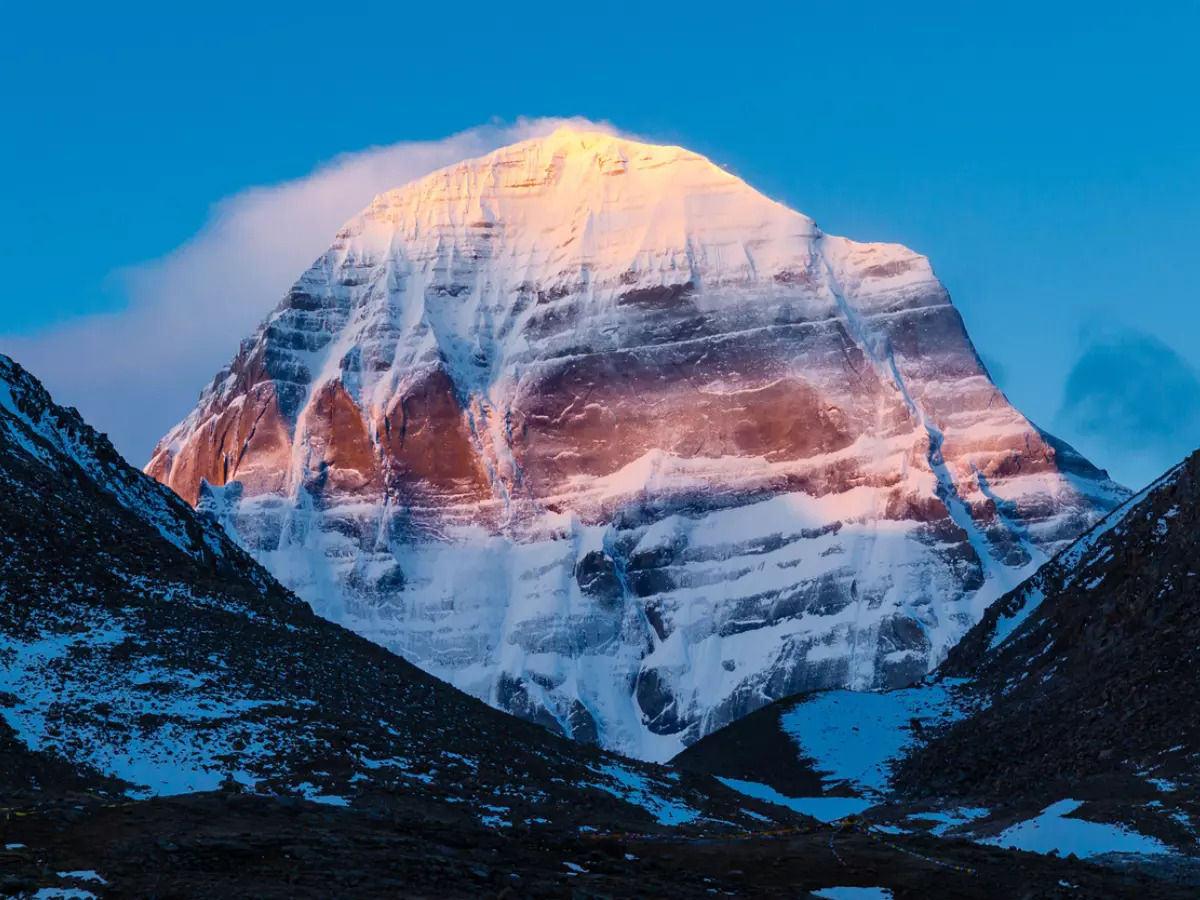
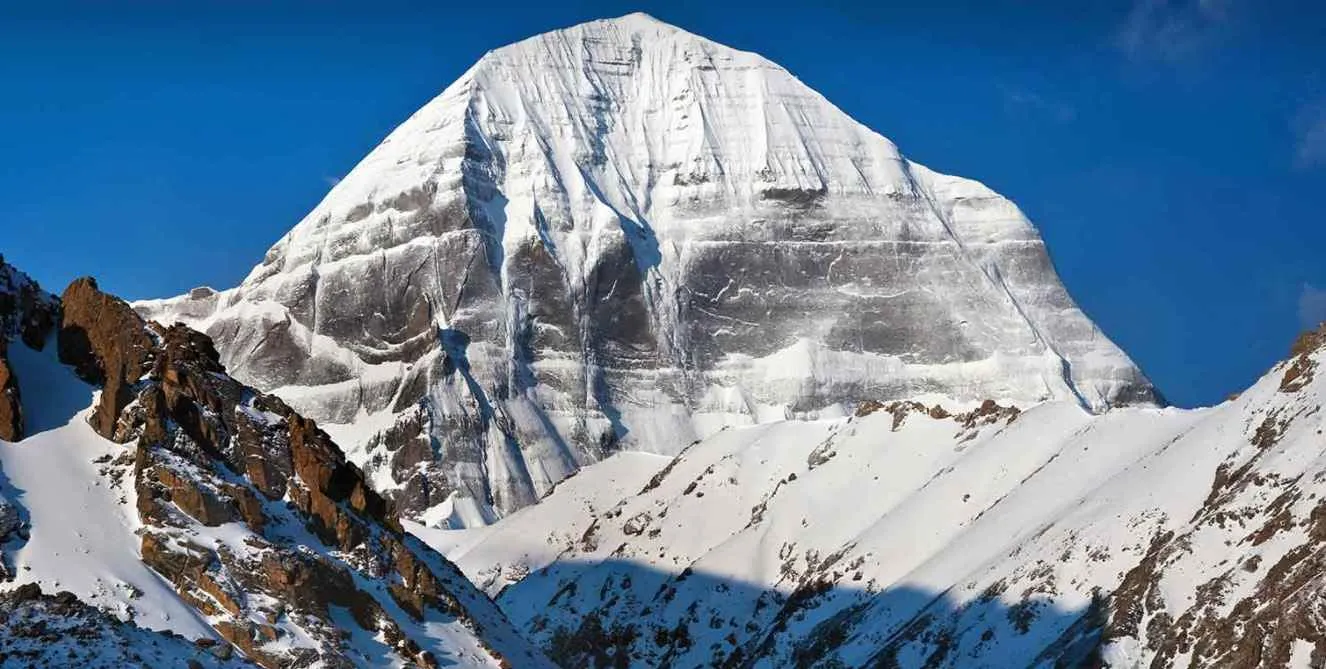
Lake Mansarovar is situated in the Ngari Prefecture of western Tibet, close to the borders of India and Nepal. It lies just south of the revered Mount Kailash, the eternal abode of Lord Shiva and Goddess Parvati.
To the west of Mansarovar lies Rakshastal, a mysterious saltwater lake associated with Ravana in Hindu mythology. Together, these twin lakes create one of the world's most spiritually significant landscapes.
Quick Facts About Lake Mansarovar
| Information | Details |
|---|---|
| Location | Ngari Prefecture, Tibet Autonomous Region (China) |
| Elevation | 4,590 m (15,060 ft) |
| Lake Type | Freshwater |
| Tibetan Name | Mapham Yumtso |
| Twin Lake | Rakshastal |
| Nearby Attraction | Mount Kailash |
| Lake Circumference | Approximately 90 km |
| Parikrama Duration | Around 2–3 hours by vehicle |
| Best Time to Visit | May to September |
Spiritual Significance of Lake Mansarovar
Lake Mansarovar is considered one of the most sacred pilgrimage destinations in Asia.
According to Hindu beliefs:
- Lord Shiva and Goddess Parvati are believed to reside on nearby Mount Kailash.
- Lord Shiva and Lord Indra are said to have taken the form of swans and visited the lake.
- The swan symbolizes wisdom, purity, and spiritual enlightenment.
Devotees believe that:
- Bathing in Mansarovar removes sins accumulated over many lifetimes.
- Drinking its holy water brings blessings and good health.
- Visiting the lake with a pure heart helps attain spiritual liberation.
For Buddhists, the lake represents purity and enlightenment, while followers of Jainism and Bon also regard it as an important sacred site.
Why is Lake Mansarovar So Famous?
Lake Mansarovar is renowned for several reasons:
- One of the highest freshwater lakes in the world
- Crystal-clear turquoise waters
- Stunning reflections of Mount Kailash
- Source region of major Asian rivers
- Sacred pilgrimage destination for multiple religions
- Unique combination of natural beauty and spiritual significance
Its calm waters often reflect the surrounding Himalayan peaks, creating an unforgettable sight for pilgrims and photographers alike.
Rivers Originating Near Lake Mansarovar
The Lake Mansarovar region is associated with the origin of several major rivers of Asia:
- Indus River
- Sutlej River
- Brahmaputra River
These rivers sustain millions of people across India, Tibet, and Pakistan, further enhancing the lake's geographical and spiritual importance.
Mansarovar Lake Parikrama (Kora)
One of the most important rituals during the Kailash Mansarovar Yatra is the Mansarovar Parikrama, also known as the Kora.
Today, the circumambulation covers approximately 90 kilometers, reduced from its earlier length due to changing geographical conditions.
The parikrama generally takes 2 to 3 hours by vehicle, allowing pilgrims to experience the serene beauty of the lake while offering prayers and seeking blessings.
Many pilgrims consider completing the Mansarovar Parikrama a once-in-a-lifetime spiritual achievement.
Can You Take a Bath in Lake Mansarovar?
Traditionally, taking a holy dip in Lake Mansarovar has been regarded as highly auspicious. Ancient sages and devotees are believed to have bathed in the lake before proceeding to Mount Kailash.
However, direct bathing in Lake Mansarovar is currently prohibited by the Tibetan authorities to help preserve the fragile ecosystem and maintain cleanliness.
Instead, local guides usually collect the sacred water in buckets, allowing pilgrims to pour it over themselves as a symbolic purification ritual.
This practice enables devotees to maintain the spiritual tradition while respecting local regulations.
Can You Visit Lake Mansarovar at Night?
Yes, visiting Lake Mansarovar during the night or in the early hours of Brahma Muhurat is possible.
On clear nights, pilgrims may witness:
- Peaceful reflections on the lake
- A sky filled with countless stars
- A deeply spiritual and tranquil atmosphere
Due to the high altitude and cold temperatures, visitors should:
- Wear adequate warm clothing
- Cover their head and ears
- Visit only with fellow pilgrims or an experienced guide
- Ensure they are physically fit and properly acclimatized
Accommodation at Lake Mansarovar
Accommodation around Lake Mansarovar is simple and designed primarily for pilgrims.
Visitors are generally provided:
- Shared dormitory accommodation
- Individual beds
- Blankets and pillows
- Basic shelter suitable for high-altitude conditions
Luxury hotels and resorts are not available in this remote region.
Some organized tour operators also arrange portable toilet facilities to improve the comfort of pilgrims during the journey.
Mobile Network and Connectivity
Mobile connectivity is available in parts of the Kailash Mansarovar region, although signal strength may vary.
Before travelling:
- Activate international roaming on your mobile number.
- Inform family members that connectivity may be intermittent.
- Carry power banks, as charging facilities can be limited.
Important Tips for Visiting Lake Mansarovar
To make your pilgrimage safe and meaningful:
- Respect the sacredness of the lake at all times.
- Avoid littering and help preserve the environment.
- Follow all instructions issued by local authorities and guides.
- Do not attempt to enter the lake unless officially permitted.
- Carry warm clothing, sunscreen, sunglasses, and necessary medications.
- Stay hydrated and allow your body sufficient time to acclimatize to the high altitude.
- Travel with your group, especially during nighttime visits.
Experience the Divine Serenity of Lake Mansarovar
A visit to Lake Mansarovar is far more than a sightseeing experience—it is a spiritual journey that touches the heart and soul. The combination of sacred mythology, breathtaking Himalayan scenery, and the peaceful presence of Mount Kailash creates an atmosphere unlike anywhere else in the world.
Whether you come seeking divine blessings, inner peace, or a once-in-a-lifetime pilgrimage, Lake Mansarovar offers an unforgettable experience that remains with every devotee long after the journey ends.
FAQs
\n
\n
\n
\n
\n
\n
\n
\n
\n
\n
\n
\n
\n
\n
\n
\n
\n
\n
\nVia Lipulekh Pass (India)
\nBy overland tours through Tibet
\n
\n
\nTibet Travel Permit
\nMost tour operators arrange these permits as part of the package.
\n
\n
\n
\n
\n
\n
\n
\n
\nWaterproof jacket
\nSunglasses and sunscreen
\nWater bottle
\n15. What is the difference between Lake Mansarovar and Rakshas Tal?
\nLake Mansarovar is a freshwater lake revered as sacred, while Rakshas Tal (Rakshastal) is a saltwater lake associated with Ravana in Hindu mythology. The two lakes lie side by side but differ in both religious significance and water characteristics.
\n16. Can I see Mount Kailash from Lake Mansarovar?
\nYes. On clear days, visitors can enjoy spectacular panoramic views of Mount Kailash from several points along the shores of Lake Mansarovar.
\n17. Is photography allowed at Lake Mansarovar?
\nYes. Photography is generally permitted in most outdoor areas. However, visitors should respect local customs and follow any restrictions imposed by authorities or at religious sites.
\n18. Is Lake Mansarovar suitable for family travel?
\nYes. Families can visit Lake Mansarovar if all members are physically prepared for high-altitude travel. Young children, elderly travelers, and those with serious medical conditions should consult a doctor before planning the trip.
\n19. Why is Lake Mansarovar famous?
\nLake Mansarovar is famous for its immense religious significance, pristine freshwater, breathtaking Himalayan scenery, and its close proximity to the sacred Mount Kailash. It is one of the most revered pilgrimage destinations in Asia.
\n20. Can I visit Lake Mansarovar without doing the Mount Kailash Parikrama?
\nYes. Some tour packages include only a visit to Lake Mansarovar without the Mount Kailash Parikrama, making the journey more suitable for travelers who prefer a less physically demanding itinerary.
Share this guide
Latest Blog Posts
Latest News: Lake Mansarovar – Sacred Lake Near Mount Kailash in Tibet
YATRI STORIES
View All Reviews What Our Travelers Say
Real experiences from pilgrims and families who trusted Ojas Travel for Char Dham, Kailash & India tours.
My trip to Dwarka was phenomenal! The entire experience was both spiritual and well-organized. Highly recommend.
Kedarnath was simply breathtaking. A beautiful, well-organized journey. It exceeded all my expectations.
Tirupati Balaji was a dream come true. The trip was perfectly coordinated, and I felt taken care of throughout.
Our pilgrimage to the Sabarimala temple was filled with peace and grace. I couldn’t have asked for a better journey.
The Shirdi Sai Baba pilgrimage was incredible. The whole process was so smooth—felt like I was in the best hands.
