- Understanding the Kailash Mansarovar Yatra
- Two Ways to Reach Kailash Mansarovar
- Helicopter vs Overland: At a Glance
- Cost Comparison: Helicopter vs Overland
- Kailash Mansarovar by Helicopter
- Spiritual Experience: Does the Route Matter?
- Pros and Cons
- Frequently Asked Questions (FAQs)
- Why Choose Ojas Travel for Kailash Mansarovar Yatra?
Kailash Mansarovar by Helicopter vs Overland – Which is Better?
The sacred journey to Mount Kailash and Lake Mansarovar is regarded as one of the most spiritually rewarding pilgrimages in the world. Revered by Hindus, Buddhists, Jains, and Bon followers, Mount Kailash is believed to be the abode of Lord Shiva, while the crystal-clear waters of Lake Mansarovar symbolize purity and divine blessings. Every year, thousands of devotees from India and across the globe undertake this life-changing pilgrimage to seek spiritual enlightenment and inner peace.
With advancements in travel infrastructure, pilgrims now have two major options to undertake the yatra:
Both routes ultimately lead to the same sacred destination, but the journey, comfort, duration, physical demands, and overall experience differ significantly.
Many travelers wonder:
Which route is safer?
Which one is easier for senior citizens?
Which offers better acclimatization?
Which provides a deeper spiritual experience?
Is the helicopter tour worth the additional cost?
This comprehensive guide compares every important aspect of both routes to help you make an informed decision.
Understanding the Kailash Mansarovar Yatra
Before comparing the routes, it is important to understand why millions dream of visiting Kailash Mansarovar.
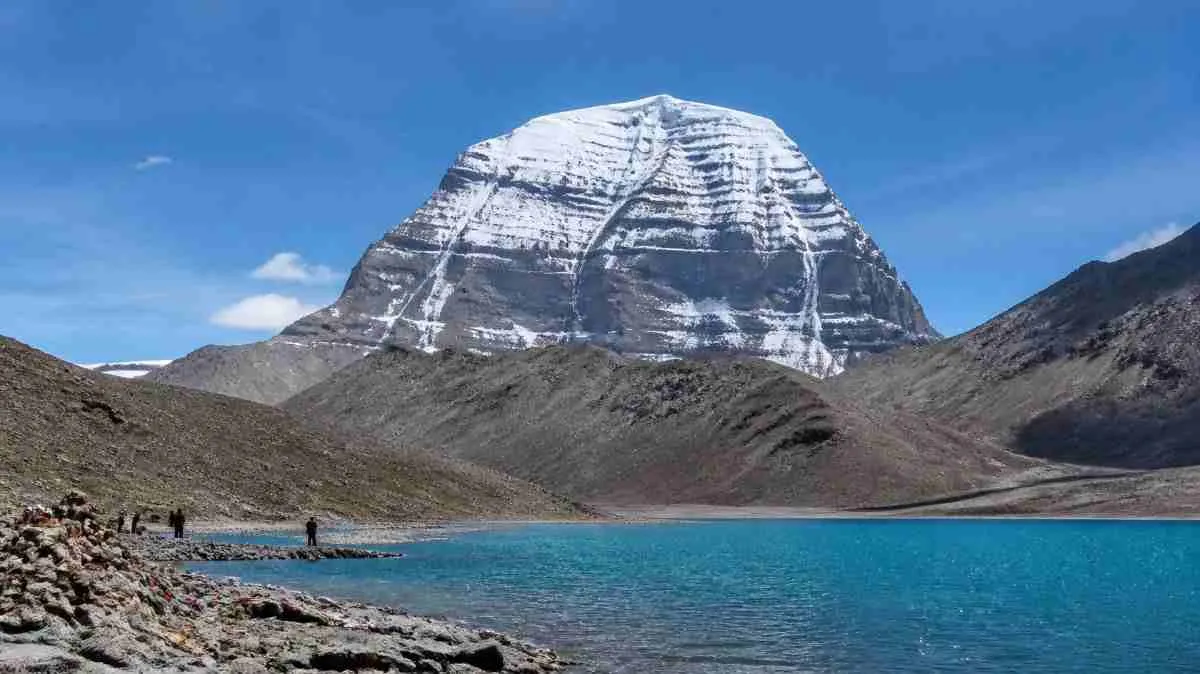
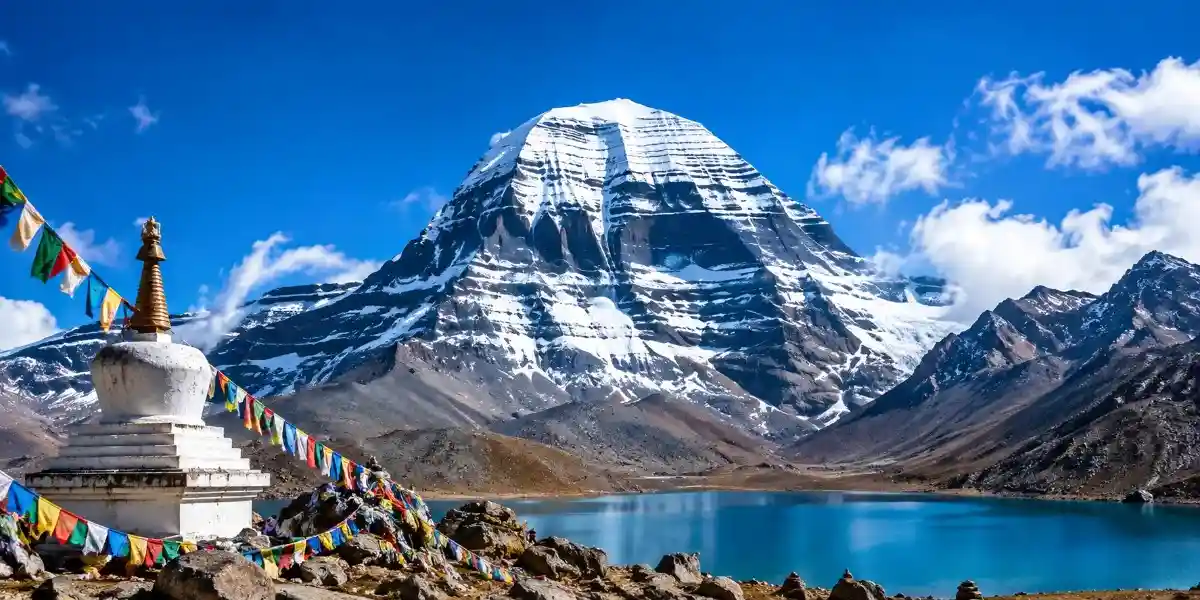
Unlike many religious destinations, Mount Kailash is not merely a temple or shrine—it is considered a living embodiment of divinity. According to Hindu scriptures, Lord Shiva resides eternally atop Mount Kailash along with Goddess Parvati.
The mountain also holds immense significance for:
Buddhists, who believe it is associated with Demchok (Chakrasamvara).
Jains, who believe their first Tirthankara, Rishabhdev, attained liberation here.
Bon followers, who regard Kailash as the spiritual center of the universe.
Nearby lies Lake Mansarovar, one of the world's highest freshwater lakes, situated at an altitude of approximately 4,590 meters (15,060 feet).
Pilgrims believe that bathing in the lake washes away sins accumulated over many lifetimes, while drinking its sacred water brings spiritual purification.
The highlight of the pilgrimage is the Kailash Parikrama (Kora)—a 52-km circumambulation of Mount Kailash that is completed over three days.
Two Ways to Reach Kailash Mansarovar
Today, most international pilgrims choose between two major travel options.
1. Kailash Mansarovar by Helicopter
The helicopter route has become increasingly popular because it significantly reduces travel time while making the pilgrimage more accessible for elderly travelers and those with limited vacation time.
Typical Route
Lucknow → Nepalgunj → Simikot → Hilsa (Helicopter) → Taklakot → Lake Mansarovar → Darchen → Kailash Parikrama
Some itineraries begin from Kathmandu instead of Lucknow.
Duration
Typically 9–11 days.
Best For
Senior citizens
Busy professionals
Families
NRIs
Overseas pilgrims
Travelers seeking a shorter pilgrimage
Highlights of the Helicopter Route
Time Saving
Instead of spending several days driving through Tibet, travelers fly over much of the difficult terrain.
Comfortable Journey
Road travel is considerably reduced compared to the overland route.
Better for Limited Holidays
Many devotees cannot spare three weeks for the yatra. The helicopter option allows them to complete the pilgrimage within approximately ten days.
Suitable for Elderly Pilgrims
Since long road journeys are minimized, many senior pilgrims find this route more convenient, provided they are medically fit for high-altitude travel.
Challenges of the Helicopter Route
Although the helicopter option appears easier, it comes with its own challenges.
Weather Dependency
Helicopter operations depend entirely on weather conditions.
Heavy rain
Strong winds
Poor visibility
can all delay flights.
Occasionally pilgrims may need to wait an extra day or two in Nepal.
Faster Altitude Gain
Because travelers ascend quickly, proper acclimatization becomes even more important.
Higher Cost
Helicopter tours are generally more expensive due to aviation costs.
Kailash Mansarovar Overland Tour
The overland route is the traditional way of undertaking the pilgrimage.
Instead of flying into the high Himalayas, pilgrims gradually travel through Nepal and Tibet by road.
This route allows travelers to experience the changing landscapes, Tibetan culture, monasteries, rivers, valleys, and mountain passes.
Typical Route
Kathmandu → Kyirong Border → Saga → Lake Mansarovar → Darchen → Kailash Parikrama → Return via the same route
Alternative routes may vary depending on regulations and tour operators.
Duration
Usually 13–16 days, depending on the itinerary.
Best For
The overland route is ideal for:
Adventure enthusiasts
Photography lovers
Spiritual seekers
Nature lovers
Pilgrims who prefer gradual acclimatization
Travelers wanting to explore Tibet in greater depth
Highlights of the Overland Journey
Scenic Beauty
The drive through Tibet is considered one of the most spectacular road journeys in Asia.
Travelers witness:
Snow-covered Himalayan peaks
Vast Tibetan grasslands
Turquoise lakes
High mountain passes
Remote villages
Ancient monasteries
Endless blue skies
Every day presents new landscapes that make the journey memorable.
Better Acclimatization
One of the biggest advantages of traveling by road is the gradual increase in altitude.
This gives the body more time to adapt to lower oxygen levels, which can help reduce the risk of altitude-related discomfort for many travelers.
Rich Cultural Experience
The overland route offers opportunities to interact with Tibetan communities, visit monasteries, observe local traditions, and gain a deeper appreciation of the region's unique heritage.
For many pilgrims, these experiences become an important part of the spiritual journey.
Challenges of the Overland Route
The overland journey is rewarding but also more demanding.
Long Driving Hours
Several days involve extended road travel over high-altitude terrain.
While roads have improved in many areas, the journey can still be tiring.
More Physically Demanding
Travelers spend more time at high altitude and on the road.
Good physical fitness and preparation are recommended.
Longer Leave Required
Most overland tours require approximately two weeks or more.
This may not suit travelers with limited annual leave.
Helicopter vs Overland: At a Glance
Feature | Helicopter Tour | Overland Tour |
Duration | 9–11 Days | 13–16 Days |
Travel Style | Helicopter + Road | Mostly Road |
Comfort | Higher | Moderate |
Scenic Experience | Moderate | Excellent |
Adventure | Moderate | High |
Cultural Exposure | Limited | Extensive |
Road Travel | Less | More |
Suitable for Seniors | Generally Yes (subject to medical fitness) | Depends on health and endurance |
Vacation Required | Short | Longer |
Cost Comparison: Helicopter vs Overland
For many pilgrims, budget is one of the deciding factors when choosing between the helicopter and overland routes. While both tours culminate in the sacred darshan of Mount Kailash and Lake Mansarovar, the overall cost can vary due to transportation, logistics, permits, accommodation, and the duration of the journey.
Kailash Mansarovar by Helicopter
The helicopter route is generally the premium option. The higher price is primarily due to helicopter transfers between Simikot and Hilsa, as well as the complex logistics of operating in remote Himalayan regions.
Typical inclusions are:
Airport transfers
Domestic flights
Helicopter rides
Tibet permits
Accommodation
Vegetarian meals
Local transportation
Experienced guides
Support staff
Oxygen cylinders (where applicable)
Although the initial cost is higher, many travelers consider it worthwhile because they save several days of travel and require fewer leave days from work.
Best For
Professionals with limited vacation time
Senior citizens
NRIs and international travelers
Families seeking a shorter pilgrimage
Kailash Mansarovar Overland Tour
The overland route generally costs less because it relies mainly on road transportation.
However, since the journey lasts longer, travelers should also account for additional personal expenses such as travel insurance, shopping, snacks, and optional sightseeing.
The overland route offers excellent value for pilgrims who have sufficient time and wish to experience Tibet more comprehensively.
Which Route Offers Better Value?
The answer depends on your priorities.
If time is more valuable than money, the helicopter route offers better convenience.
If your focus is on experiencing the complete pilgrimage at a comparatively lower overall cost, the overland route provides greater value.
Difficulty Level
One of the biggest misconceptions is that the helicopter tour is "easy."
In reality, both routes require determination, preparation, and physical fitness, especially if you intend to complete the Kailash Parikrama.
The key difference lies in how you reach Kailash, not in the pilgrimage itself.
Physical Challenges in the Helicopter Route
Although long road journeys are reduced, pilgrims still face:
High-altitude conditions
Cold temperatures
Limited oxygen
Walking around Lake Mansarovar
Three-day Kailash Parikrama (optional for some travelers)
The Dolma La Pass, the highest point of the Parikrama at approximately 5,630 meters (18,471 feet), remains physically demanding regardless of the route chosen.
Physical Challenges in the Overland Route
Overland travelers spend more time driving across the Tibetan Plateau, which can be tiring.
However, the gradual ascent often allows the body more time to adapt to the altitude.
The challenges include:
Long road journeys
Cold weather
Thin air
Fatigue from travel
Multi-day Parikrama
Altitude and Acclimatization
Altitude is one of the most important considerations for every pilgrim.
Mount Kailash and Lake Mansarovar are located in one of the highest inhabited regions on Earth, where oxygen levels are significantly lower than at sea level.
Helicopter Route
The helicopter option involves a relatively rapid ascent into high-altitude regions.
This means:
Less time for natural acclimatization
Higher likelihood of experiencing mild altitude symptoms such as headaches or breathlessness
Greater importance of following your guide's instructions regarding hydration, rest, and pacing
Tour operators generally include acclimatization days where feasible, but travelers should still prepare well before departure.
Overland Route
The overland route allows pilgrims to gain altitude more gradually.
This often helps the body adjust naturally to thinner air before reaching Lake Mansarovar and Darchen.
Many experienced travelers appreciate this gradual transition, especially those who are visiting high-altitude destinations for the first time.
Tips to Reduce Altitude Problems
Regardless of your chosen route:
Stay well hydrated.
Avoid alcohol and smoking.
Walk slowly and steadily.
Eat light, nutritious meals.
Get adequate sleep.
Follow the advice of your tour leader.
Inform your guide immediately if symptoms become severe.
Proper preparation is often more important than the route itself.
Permits and Documentation
The Kailash Mansarovar Yatra requires multiple travel documents because the pilgrimage passes through Nepal and the Tibet Autonomous Region of China.
Common Documents
Most travelers require:
Valid passport
Chinese Group Visa (where applicable)
Tibet Travel Permit
Alien Travel Permit
Medical fitness certificate
Passport-size photographs
Travel insurance (recommended)
Tour operators typically arrange most permits on behalf of travelers, but pilgrims should ensure all documentation is completed well in advance.
Accommodation Comparison
Accommodation during the yatra is basic compared to conventional leisure travel, as the pilgrimage takes place in remote Himalayan and Tibetan regions.
Helicopter Tour Accommodation
Pilgrims generally stay in:
Comfortable hotels in Kathmandu or Nepalgunj
Basic hotels or guesthouses in Simikot and Taklakot
Guesthouses or simple lodges near Lake Mansarovar and Darchen
Rooms are usually on a twin-sharing basis, with attached bathrooms available in some locations and shared facilities in others.
Overland Tour Accommodation
Accommodation standards are broadly similar, but travelers spend more nights in Tibetan towns along the route.
Depending on the itinerary, pilgrims may stay in:
Kathmandu hotels
Kyirong
Saga
Paryang (or other transit locations)
Darchen
Basic guesthouses during the Parikrama
The overland route often provides more opportunities to experience local Tibetan hospitality.
Food During the Journey
Most organized tours serve simple vegetarian meals suitable for Indian pilgrims.
Meals commonly include:
Rice
Dal
Chapati
Mixed vegetables
Soup
Tea
Noodles
Fruits (subject to availability)
Travelers with specific dietary needs should inform their tour operator well in advance.
It is also advisable to carry:
Dry fruits
Energy bars
Glucose powder
Instant snacks
Personal medications
Safety Comparison
Safety depends more on the quality of the tour operator and the preparedness of the traveler than on the route itself.
Helicopter Route Safety
Advantages include:
Reduced road travel
Shorter overall journey
Less physical fatigue from long drives
Potential concerns include:
Weather-related flight delays
Rapid altitude gain
Dependence on helicopter schedules
Professional operators continuously monitor weather conditions and prioritize passenger safety.
Overland Route Safety
Advantages include:
Better acclimatization
Stable travel schedule
Fewer weather-related flight disruptions
Challenges include:
Longer exposure to high altitude
Extended road travel
Greater physical endurance required
Modern roads in Tibet have improved considerably, making overland travel more comfortable than in previous decades.
Medical Support
Both routes typically include:
Experienced tour leaders
Local Tibetan guides
Oxygen cylinders
First-aid kits
Emergency coordination when required
Pilgrims with heart disease, severe respiratory disorders, uncontrolled hypertension, or other serious medical conditions should consult their physician before registering for the yatra.
Comparison Table
Feature | Helicopter Route | Overland Route |
Cost | Higher | Lower |
Vacation Required | Less | More |
Physical Fatigue | Moderate | Higher |
Road Journey | Shorter | Longer |
Acclimatization | Faster altitude gain | More gradual |
Weather Delays | More likely (helicopter operations) | Less dependent on flights |
Accommodation | Basic to moderate | Basic to moderate |
Meals | Vegetarian | Vegetarian |
Medical Support | Available | Available |
Overall Comfort | Higher | Moderate |
Spiritual Experience: Does the Route Matter?
The essence of the Kailash Mansarovar Yatra lies not in how you reach the destination but in the devotion and sincerity with which you undertake the pilgrimage. Whether you travel by helicopter or overland, the first glimpse of the majestic Mount Kailash and the tranquil waters of Lake Mansarovar evokes the same sense of awe and reverence.
However, the two routes can offer different styles of spiritual experience.
Helicopter Route
Pilgrims who choose the helicopter route often do so because of limited time, age, or health considerations. The shorter itinerary allows them to focus more on prayer, meditation, and darshan without the fatigue of extended road travel.
Many devotees describe the helicopter journey as an opportunity to fulfill a lifelong dream that might otherwise have remained out of reach.
Overland Route
The overland route is often viewed as a pilgrimage in the truest sense. Traveling across the vast Tibetan Plateau, witnessing remote monasteries, crossing mountain passes, and spending more time in the serene Himalayan environment can deepen one's spiritual connection.
For many pilgrims, the gradual journey becomes a period of reflection, self-discovery, and inner transformation.
Ultimately, the spiritual rewards of the Yatra depend on faith rather than the mode of travel.
Pros and Cons
Kailash Mansarovar by Helicopter
Pros
Shorter itinerary (9–11 days)
Less road travel
Suitable for senior citizens and families
Ideal for professionals with limited leave
More comfortable overall journey
Reduced travel fatigue
Convenient for international travelers
Cons
Higher tour cost
Weather-related helicopter delays are possible
Faster altitude gain requires careful acclimatization
Limited sightseeing compared to the overland route
Less exposure to Tibetan culture
Kailash Mansarovar Overland Tour
Pros
Rich cultural and scenic experience
Gradual altitude acclimatization
More time to explore Tibet
Lower tour cost in many cases
Traditional pilgrimage experience
Excellent opportunities for photography
Cons
Longer journey (13–16 days)
Extended road travel
Greater physical endurance required
More vacation days needed
Can be tiring for elderly travelers
Who Should Choose the Helicopter Route?
The helicopter option is an excellent choice if you:
Have only 10–12 days available.
Prefer a more comfortable journey.
Wish to minimize long road travel.
Are traveling with elderly family members.
Are an NRI or international traveler with limited time.
Want to complete the pilgrimage efficiently while still experiencing the spiritual highlights.
Who Should Choose the Overland Route?
The overland route is ideal if you:
Have two weeks or more available.
Enjoy adventure travel.
Want to experience Tibetan culture.
Prefer gradual acclimatization.
Love photography and landscapes.
View the journey itself as an important part of the pilgrimage.
How to Prepare for Either Route
Regardless of your chosen itinerary, proper preparation is essential.
Physical Preparation
Begin light exercise at least four to six weeks before departure.
Recommended activities include:
Walking 5–8 km daily
Stair climbing
Yoga
Breathing exercises
Light cardio workouts
Good physical fitness can make the journey more comfortable.
Medical Preparation
Before booking your tour:
Consult your physician.
Undergo a general health check-up.
Carry prescribed medications.
Inform the tour operator about any medical conditions.
Pilgrims with chronic illnesses should seek professional medical advice regarding high-altitude travel.
Packing Essentials
Carry clothing suitable for changing mountain weather.
Recommended items include:
Thermal innerwear
Down jacket
Windproof jacket
Waterproof shoes
Woolen socks
Gloves
Cap
Sunglasses
Sunscreen
Lip balm
Personal medicines
Water bottle
Power bank
Walking stick (especially for the Parikrama)
Packing light while carrying essentials can significantly improve comfort during the journey.
Frequently Asked Questions (FAQs)
1. Which route is easier for senior citizens?
The helicopter route is generally more convenient because it reduces long road travel. However, all travelers must still be medically fit for high-altitude conditions.
2. Is the Kailash Parikrama included in both tours?
Yes. Most helicopter and overland packages include the three-day Kailash Parikrama. Some operators also provide the option to stay back at Darchen for pilgrims who are unable to undertake the trek.
3. Which route offers better acclimatization?
The overland route usually provides more gradual acclimatization due to its slower ascent through Tibet.
4. Is the helicopter route completely comfortable?
While it reduces road travel, it still involves high-altitude conditions, basic accommodations in remote regions, and walking during the pilgrimage.
5. Can beginners undertake the Yatra?
Yes. Many first-time pilgrims successfully complete the Yatra every year with proper preparation, fitness, and guidance from experienced tour operators.
6. Which route offers better photography opportunities?
The overland route provides more opportunities to photograph Tibet’s landscapes, monasteries, rivers, lakes, and mountain passes because of its longer itinerary.
7. Are meals available throughout the journey?
Yes. Most organized tours provide simple vegetarian meals. Carrying energy bars, dry fruits, and snacks is recommended.
8. Which route is more suitable for international travelers?
Both routes are suitable. However, many international travelers prefer the helicopter option because it requires fewer travel days.
9. What is the best time for Kailash Mansarovar Yatra?
The pilgrimage season generally runs from May to September, when weather conditions are relatively favorable and tour operations are active.
10. Is travel insurance recommended?
Yes. Comprehensive travel insurance that covers high-altitude travel, medical emergencies, and trip interruptions is strongly recommended.
Final Verdict: Which Route Is Better?
There is no universal answer because the "best" route depends on your priorities.
Choose the Helicopter Route if you value:
Time efficiency
Comfort
Reduced road travel
Convenience
Shorter holidays
Choose the Overland Route if you value:
Adventure
Scenic landscapes
Tibetan culture
Gradual acclimatization
A traditional pilgrimage experience
Regardless of the route you select, standing before the sacred Mount Kailash and offering prayers at the shores of Lake Mansarovar is an unforgettable experience that leaves a lasting spiritual impression.
The true purpose of the Yatra is not how quickly you arrive but the devotion, humility, and faith you carry throughout the journey.
Why Choose Ojas Travel for Kailash Mansarovar Yatra?
With decades of experience in organizing pilgrimage tours, Ojas Travel provides professionally managed Kailash Mansarovar Yatra packages designed for comfort, safety, and spiritual fulfillment.
Our Services Include
Experienced tour managers
Complete permit assistance
Comfortable accommodations
Vegetarian meals
Reliable transportation
Medical support and oxygen assistance
Expert local guides
Well-planned itineraries
Transparent pricing
Dedicated customer support
Whether you choose the Helicopter Tour or the Overland Tour, our experienced team ensures that every stage of your pilgrimage is handled with care and professionalism.
Conclusion
The Kailash Mansarovar Yatra is far more than a journey to a destination—it is a path of devotion, endurance, and self-discovery. Both the helicopter and overland routes lead to the same sacred mountain and the same divine lake, yet each offers a unique experience. Your decision should be based on your health, available time, budget, and personal travel preferences.
No matter which route you choose, the blessings of Mount Kailash and Lake Mansarovar remain equally profound. Prepare well, travel responsibly, and embark on this once-in-a-lifetime pilgrimage with faith and determination.