

The Shirdi Sai Baba pilgrimage was incredible. The whole process was so smooth—felt like I was in the best hands.
Temple Travel Guide
Kashi Vishwanath Temple
Best time: Year-round
Flexible hours
Custom & group tours available
Expert planning support
About Kashi Vishwanath Temple
"Har Har Mahadev Shambhu, Kashi Vishwanath Gange"
About Kashi Vishwanath Temple
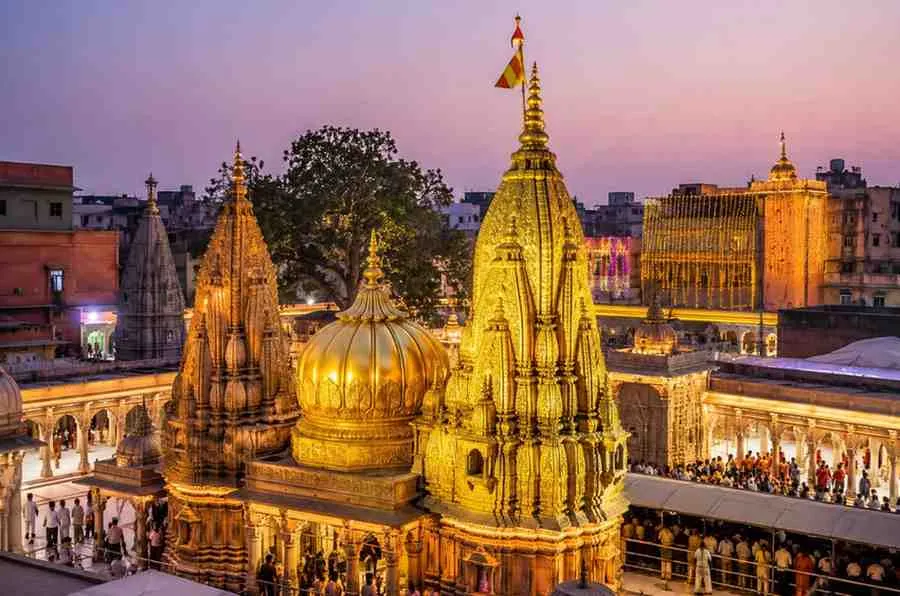
Kashi Vishwanath Temple is one of the most sacred and revered temples dedicated to Lord Shiva. Located in the spiritual city of Varanasi (Kashi), Uttar Pradesh, the temple is considered the heart of Sanatan Dharma and attracts millions of devotees from across the world every year. Popularly known as the Golden Temple, it is one of the twelve sacred Jyotirlingas, where Lord Shiva is worshipped in the form of a divine pillar of light. The name Vishwanath or Vishweshwara translates to "Lord of the Universe."
Situated on the western bank of the holy River Ganga, the temple is a symbol of faith, devotion, and liberation (Moksha). Pilgrims believe that offering prayers at Kashi Vishwanath and taking a holy dip in the Ganges helps cleanse sins and leads to spiritual enlightenment.
History of Kashi Vishwanath Temple
The history of Kashi Vishwanath Temple spans many centuries and reflects the resilience of India's spiritual heritage. According to historical traditions, the ancient temple was originally established by King Vikramaditya. Over the centuries, it faced repeated invasions and destruction, followed by several reconstructions by devoted rulers and patrons.
The temple was destroyed in 1194 during the invasion of Qutb-ud-din Aibak and was later rebuilt by Hindu devotees. Throughout history, it underwent multiple phases of destruction and restoration under different rulers. In the 17th century, Mughal Emperor Aurangzeb demolished the existing temple and built the Gyanvapi Mosque nearby.
The present Kashi Vishwanath Temple was constructed in 1777–1780 by the noble queen Maharani Ahilyabai Holkar of Indore, whose contribution restored the temple as one of India's most important pilgrimage sites. Today, the temple stands as a timeless symbol of devotion, spirituality, and India's rich cultural legacy.
Duration of Visit
A typical visit to Kashi Vishwanath Temple takes around 1 to 2 hours, depending on the crowd and the type of darshan selected. During festivals such as Mahashivratri, Shravan Month, and other auspicious occasions, waiting times can be significantly longer due to the large number of devotees.
For a smooth experience, visitors are advised to arrive early in the morning or during non-peak hours. Planning your visit on weekdays generally helps avoid heavy crowds.
Location of Kashi Vishwanath Temple
Kashi Vishwanath Temple is located in Vishwanath Gali, in the ancient city of Varanasi (Kashi/Banaras), Uttar Pradesh. The temple lies close to the sacred Dashashwamedh Ghat on the western bank of the River Ganga, making it one of the most visited religious destinations in India.
Since the temple is situated within the narrow lanes of the old city, visitors usually reach the entrance on foot after parking their vehicles nearby. Auto-rickshaws, cycle rickshaws, and e-rickshaws are convenient options for reaching the temple area.
Architecture of Kashi Vishwanath Temple
The Kashi Vishwanath Temple showcases the elegance of Nagara-style architecture, a classical North Indian temple design. The present structure, built in the 18th century, is renowned for its magnificent gold-plated domes and beautifully carved stone architecture.
The temple complex consists of the main sanctum housing the sacred Jyotirlinga, along with several smaller shrines dedicated to deities including Maa Annapurna, Kaal Bhairav, Vishalakshi, Lord Vishnu, Dhandhapani, Vinayaka, Avimukteshwara, and other revered Hindu gods and goddesses.
The temple's towering Shikhara (spire) rises approximately 15.5 metres (51 feet) and is crowned with a golden dome, flag, and trident, symbolizing Lord Shiva's divine presence. Within the complex lies the sacred Gyan Vapi (Jnana Vapi) Well, which holds immense historical and religious significance among devotees.
One of the most remarkable additions to the temple is the Kashi Vishwanath Corridor, a modern redevelopment project that has significantly improved accessibility, expanded the temple premises, and seamlessly connected the shrine to the banks of the River Ganga. Today, the temple beautifully blends ancient spiritual heritage with modern infrastructure, offering pilgrims a more comfortable and memorable experience.
Mythological Facts of Kashi Vishwanath Temple
The Kashi Vishwanath Temple is not only one of the holiest shrines dedicated to Lord Shiva but also a place deeply rooted in Hindu mythology and ancient legends. Revered as one of the twelve sacred Jyotirlingas, the temple has been associated with numerous divine events described in Hindu scriptures. These mythological beliefs continue to inspire millions of devotees who visit Kashi seeking spiritual peace, blessings, and liberation.
Vishwanath Jyotirlinga
Kashi Vishwanath is one of the twelve sacred Jyotirlingas of Lord Shiva and is regarded as one of the most powerful pilgrimage sites in Hinduism. According to religious beliefs, worshipping the Vishwanath Jyotirlinga helps devotees attain Moksha (liberation from the cycle of birth and death) while receiving Lord Shiva's divine blessings. The temple is also associated with the sacred Shakti Peeth, making it a unique destination where the divine energies of both Lord Shiva and Goddess Shakti are worshipped together.
Lord Rama's Visit to Kashi
According to the Ramayana, Lord Rama visited the holy city of Kashi during his exile. Before beginning his mission to rescue Goddess Sita from Ravana, he is believed to have offered prayers to Lord Shiva at Kashi Vishwanath and sought divine blessings for strength, victory, and righteousness. This legend further enhances the temple's importance in Hindu tradition.
Sati and the Marriage of Shiva-Parvati
One of the most significant legends connected with Kashi Vishwanath is the story of Goddess Sati, the first consort of Lord Shiva. After Sati sacrificed herself at King Daksha's yajna due to his disrespect toward Lord Shiva, Shiva performed the cosmic Tandava, carrying her body across the universe. According to popular belief, one of Sati's body parts fell in Kashi, making it a sacred Shakti Peeth. It is also believed that Lord Shiva later married Goddess Parvati in this divine city, adding to its immense religious significance.
The Golden Wish-Fulfilling Chhatri
The temple's magnificent gold-plated Chhatri (canopy) is considered highly auspicious by devotees. According to local belief, offering prayers while gazing upon the golden canopy with sincere devotion can fulfill heartfelt wishes and bring prosperity, happiness, and spiritual blessings.
Gyan Vapi – The Well of Wisdom
Within the temple complex lies the sacred Gyan Vapi (Jnana Vapi) Well, meaning the "Well of Wisdom." According to tradition, during the invasion ordered by Emperor Aurangzeb, temple priests protected the sacred Shiva Lingam by concealing it inside this well. Even today, the well is regarded as a symbol of divine protection and spiritual wisdom, and it remains an important part of the temple's history and religious heritage.
The First Ray of Divine Light
Ancient Hindu traditions describe Kashi as the City of Light (Avimukta Kshetra). It is believed that when creation began, the first divine ray of the Sun illuminated Kashi, making it one of the oldest and holiest living cities in the world. This belief symbolizes the city's eternal spiritual significance and its unique connection with Lord Shiva.
Kashi Vishwanath Temple Aarti Timings
The Kashi Vishwanath Temple follows a well-organized daily schedule of darshan, aartis, and sacred rituals dedicated to Lord Shiva. Devotees from across the world visit the temple to participate in these divine ceremonies and seek the blessings of Baba Vishwanath.
S. No. Ritual / Programme Timings
1 Darshan 6:00 AM – 6:00 PM
2 Mangala Aarti 3:00 AM – 4:00 AM
3 Bhog Aarti 11:15 AM – 12:20 PM
4 Rudrabhishek 4:00 AM – 6:00 PM
5 Saptarishi Aarti 7:00 PM – 8:15 PM
6 Bhog & Evening Aarti 9:00 PM – 10:15 PM
7 Shayan Aarti 10:30 PM – 11:00 PM
Note: Aarti and darshan timings may change on special festivals, religious occasions, or due to temple administration guidelines. Visitors are advised to check the latest schedule before planning their visit.
Sugam Darshan Tickets
To provide a faster and more convenient darshan experience, the Shri Kashi Vishwanath Temple offers Sugam Darshan Tickets. These special entry passes help devotees avoid long queues and enjoy a smoother visit to the temple.
The Sugam Darshan Ticket is generally priced at around ₹300 per person (subject to revision by the temple administration). It is especially beneficial during weekends, public holidays, and major festivals when the temple receives a large number of pilgrims.
Booking a Sugam Darshan pass allows devotees to save time, experience a hassle-free darshan, and focus on their spiritual journey while seeking the blessings of Lord Shiva.
Significance of Kashi Vishwanath Temple
The Kashi Vishwanath Temple is one of the most sacred Hindu temples and an important spiritual landmark in India. Dedicated to Lord Shiva, this revered shrine attracts millions of pilgrims and tourists every year. Located in the holy city of Varanasi, the temple is believed to be a gateway to spiritual awakening and liberation (Moksha). Its religious importance, historical legacy, and cultural heritage make it one of the most visited pilgrimage destinations in the country.
Spiritual Importance
Kashi Vishwanath Temple is dedicated to Lord Shiva, the Supreme God in Hinduism. Devotees believe that worshipping Baba Vishwanath with sincere devotion helps remove negative karma, grants inner peace, and ultimately leads to Moksha (liberation from the cycle of birth and death).
One of the Twelve Jyotirlingas
The temple enshrines the sacred Kashi Vishwanath Jyotirlinga, one of the twelve revered Jyotirlingas of Lord Shiva. According to Hindu beliefs, these self-manifested forms of Shiva possess immense spiritual power, making Kashi Vishwanath one of the holiest pilgrimage sites in India.
Kashi – The City of Liberation
Varanasi, also known as Kashi, is often referred to as the City of Light and Moksha Dayini Nagari. Hindu scriptures state that those who worship Lord Shiva in Kashi or spend their final moments in this sacred city are blessed with salvation. This belief makes Kashi Vishwanath Temple the spiritual heart of Varanasi.
Rich Cultural Heritage
For centuries, the temple has served as a centre of spirituality, learning, music, art, and religious discourse. Saints, scholars, philosophers, and devotees from across the world have visited Kashi to seek wisdom and experience its timeless spiritual atmosphere.
Major Pilgrimage Destination
Kashi Vishwanath Temple is one of the most significant pilgrimage destinations in Hinduism. Pilgrims believe that taking a holy dip in the River Ganga before offering prayers at the temple cleanses sins, brings divine blessings, and promotes spiritual growth.
Historical Importance
The temple has witnessed several periods of destruction and reconstruction throughout history. Despite these challenges, it has remained a powerful symbol of faith, resilience, and devotion, preserving its sacred identity for generations.
Symbol of Unity and Faith
The Kashi Vishwanath Temple welcomes devotees from all walks of life. Beyond its religious importance, it represents harmony, unity, and the shared spiritual heritage of India, inspiring millions of visitors regardless of their background.
Cultural Identity of Varanasi
The temple forms the very soul of Varanasi. It plays a central role in the city's festivals, rituals, and traditions, making it an inseparable part of Varanasi's cultural and spiritual identity.
Kashi Vishwanath Corridor Project
The Kashi Vishwanath Corridor is one of India's most significant temple redevelopment projects, designed to improve the pilgrimage experience while preserving the city's ancient heritage. The corridor directly connects the Kashi Vishwanath Temple with the sacred Dashashwamedh Ghat and the banks of the River Ganga, allowing devotees to move comfortably between the two sacred sites.
The project has expanded the temple premises, improved crowd management, widened access routes, and enhanced visitor facilities. It also includes the restoration of heritage temples, beautification of nearby ghats and lanes, landscaped open spaces, modern amenities, CCTV surveillance, digital information systems, and improved security measures. Today, the corridor provides pilgrims with a seamless, safe, and spiritually enriching experience while maintaining the historical charm of Varanasi.
Weather & Climate at Kashi Vishwanath Temple
Varanasi experiences a subtropical climate with four distinct seasons. Understanding the weather conditions can help visitors plan a comfortable pilgrimage.
Summer (April to June)
Summers in Varanasi are extremely hot and dry, with temperatures often exceeding 40°C. Sightseeing and temple visits during the afternoon can be challenging, so early morning or evening visits are recommended.
Monsoon (July to September)
The monsoon season brings moderate to heavy rainfall, providing relief from the summer heat. However, occasional waterlogging may occur in certain areas. Visitors should carry umbrellas or rain gear during this period.
Autumn (October to November)
Autumn offers pleasant weather with clear skies and comfortable temperatures. This is one of the best seasons to visit the temple, especially during festivals such as Navratri and Diwali.
Winter (December to February)
Winter is the most comfortable season for visiting Kashi Vishwanath Temple. Daytime temperatures remain pleasant, while mornings and evenings can be chilly. Carrying light woollen clothing is recommended.
Best Time to Visit Kashi Vishwanath Temple
The ideal time to visit Kashi Vishwanath Temple is between October and February, when the weather is cool and suitable for temple दर्शन, sightseeing, and exploring the ghats of Varanasi.
The temple is especially vibrant during major Hindu festivals such as Mahashivratri, Dev Deepawali, Diwali, Shravan Month, and Makar Sankranti, when thousands of devotees gather to seek the blessings of Lord Shiva. Visitors planning a trip during these festivals should book accommodation and travel arrangements well in advance due to the heavy rush.
How to Reach Kashi Vishwanath Temple
Kashi Vishwanath Temple is located in the ancient city of Varanasi, Uttar Pradesh, and is well connected by air, rail, and road.
By Air
The nearest airport is Lal Bahadur Shastri International Airport (VNS), located approximately 25 km from the temple. The airport is well connected to major Indian cities, including Delhi, Mumbai, Bengaluru, Kolkata, Hyderabad, and Chennai. Taxis, app-based cabs, and buses are readily available for reaching the temple.
By Train
Varanasi is one of India's major railway hubs. The nearest railway stations include:
Varanasi Junction (Cantt) – Approximately 4–5 km
Banaras Railway Station – Approximately 4 km
Varanasi City Railway Station – Approximately 2 km
Pt. Deen Dayal Upadhyaya Junction (Mughal Sarai) – Approximately 17 km
From any of these stations, visitors can hire auto-rickshaws, e-rickshaws, taxis, or cycle rickshaws to reach the temple entrance. Since vehicles are not permitted inside the narrow lanes leading to the temple, the final stretch is covered on foot.
By Road
Varanasi enjoys excellent road connectivity with major cities across North India through national highways. Regular government and private buses operate from cities such as Delhi, Lucknow, Prayagraj, Ayodhya, Patna, Gorakhpur, and Kanpur. Travelers can also reach Varanasi conveniently by private car or taxi. Once inside the old city, visitors can use e-rickshaws or walk through the famous Vishwanath Gali to reach the temple.
Accommodation Near Kashi Vishwanath Temple
Varanasi tour offers a wide range of accommodation options for pilgrims and tourists visiting the sacred Kashi Vishwanath Temple. Whether you are looking for luxury hotels, budget-friendly guesthouses, traditional dharamshalas, peaceful ashrams, backpacker hostels, or a unique riverside stay, you'll find an option to suit every budget and travel preference.
Hotels & Guesthouses
Several hotels and guesthouses are located within a short distance of the Kashi Vishwanath Temple, providing comfortable stays with modern amenities and easy access to the temple. Visitors can choose from budget, deluxe, and premium accommodations depending on their requirements. Popular options include Hotel Costa River, Hotel Vagmi, Hotel Landmark, and The Hide Away Bedzz, all offering convenient locations, clean rooms, and essential facilities for a pleasant stay.
Dharamshalas
For pilgrims seeking affordable accommodation, Dharamshalas are an excellent choice. These traditional pilgrim guesthouses provide clean and basic facilities at economical rates while maintaining a peaceful spiritual environment. Some well-known options include Kashi Annapurna Bhavan, Shri Kashi Vishwanath Temple Trust Dharamshala, Shri Kashi Vishwanath Gaudiya Math, and Jaipuria Dharamshala.
Ashrams
Visitors looking for a calm and spiritual atmosphere can stay in one of Varanasi's many ashrams. These accommodations are ideal for devotees who wish to combine their pilgrimage with meditation, yoga, and religious activities. Popular choices include Parmarth Ashram, Sankat Mochan Ashram, Shri Kashi Vishwanath Temple Trust Ashram, and Kedar Ghat Ashram.
Budget Hostels
Budget-conscious travellers, solo explorers, and backpackers can find several affordable hostels near the temple. These hostels offer comfortable dormitories and private rooms along with shared lounges and modern facilities. Popular options include Zostel Varanasi, Wander Station, and Moustache Hostel, making them ideal for young travellers seeking economical accommodation.
Tent City Varanasi
For a unique and memorable experience, visitors can stay at the Tent City Varanasi, located along the banks of the holy River Ganga. Developed by the Varanasi Development Authority, this seasonal luxury campsite offers Swiss cottages, fine dining restaurants, an art gallery, a library, conference facilities, wellness and yoga centres, recreational zones, and beautifully designed riverside surroundings. The Tent City generally operates from October to June, offering guests a blend of comfort, spirituality, and cultural experiences in the heart of Varanasi.
Attractions Near Kashi Vishwanath Temple
A visit to the Kashi Vishwanath Temple can be combined with several other iconic attractions in Varanasi. These sacred sites and historical landmarks offer visitors a deeper insight into the city's rich spiritual, cultural, and historical heritage.
Manikarnika Ghat (Approx. 650 m)
One of the oldest and most sacred cremation ghats on the banks of the River Ganga, Manikarnika Ghat is believed to be the gateway to Moksha (liberation). It holds immense religious significance and is a must-visit for those seeking to understand the spiritual essence of Varanasi.
Nepali Temple (Approx. 300 m)
Also known as the Kathwala Temple, the Nepali Temple is dedicated to Lord Shiva and is renowned for its beautiful Nepalese-style wooden architecture. Located near Lalita Ghat, this peaceful shrine offers a unique cultural experience.
Dashashwamedh Ghat & Ganga Aarti (Approx. 500 m)
The magnificent Ganga Aarti at Dashashwamedh Ghat is one of the most captivating spiritual ceremonies in India. Every evening, priests perform a grand ritual with lamps, conch shells, and Vedic chants, attracting thousands of devotees and tourists from around the world.
Sankat Mochan Hanuman Temple (Approx. 4 km)
Dedicated to Lord Hanuman, the Sankat Mochan Temple is one of Varanasi's most revered religious sites. Devotees visit the temple to seek protection, strength, and relief from obstacles in life.
Ramnagar Fort (Approx. 7 km)
Located on the eastern bank of the Ganga, Ramnagar Fort is an 18th-century fort built by the Maharaja of Banaras. It houses a museum showcasing vintage cars, royal artifacts, ancient manuscripts, and historical weapons, making it a popular attraction for history enthusiasts.
Sarnath (Approx. 8 km)
Sarnath is one of the most important Buddhist pilgrimage sites in the world. It is the place where Lord Buddha delivered his first sermon after attaining enlightenment. Visitors can explore the Dhamek Stupa, Mulagandha Kuti Vihara, archaeological ruins, and the Sarnath Museum.
Do's and Don'ts at Kashi Vishwanath Temple
To ensure a peaceful, respectful, and spiritually fulfilling visit, devotees are encouraged to follow the temple's guidelines and maintain the sanctity of this sacred place.
Do's
- Offer prayers to Lord Shiva with devotion and participate respectfully in temple rituals.
- Attend the Mangala Aarti, Saptarishi Aarti, or other daily ceremonies to experience the temple's divine atmosphere.
- Take a holy dip in the sacred River Ganga, if desired, before visiting the temple, as per Hindu tradition.
- Maintain silence, discipline, and respect while inside the temple premises.
- Meditate or spend a few quiet moments in prayer to experience the spiritual energy of Kashi.
- Donate to the temple or contribute to charitable activities through authorized donation counters only.
- Dress modestly and wear comfortable clothing suitable for a place of worship.
- Explore Varanasi's famous local delicacies such as Kachori Sabzi, Baati Chokha, Choora Matar, Chena Dahi Vada, Malaiyyo, Rabri Jalebi, and don't miss the world-famous Banarasi Paan.
Don'ts
- Photography, videography, and the use of mobile phones or electronic gadgets are generally prohibited inside the temple premises. Follow the instructions issued by the temple authorities.
- Do not carry prohibited items such as leather products, tobacco, alcohol, cigarettes, intoxicants, or non-vegetarian food into the temple complex.
- Footwear must be removed before entering the temple premises. Use the designated shoe deposit facilities.
- Respect restricted areas within the temple. Entry into the Garbhagriha (Sanctum Sanctorum) may be regulated according to temple rules and rituals.
- Avoid littering, making loud noises, pushing, or engaging in any behavior that disturbs other devotees.
- Do not trust unauthorized guides or individuals offering special darshan in exchange for money. Always use official temple services and authorized counters.
- Follow all instructions issued by the temple administration and security personnel to ensure a safe and smooth pilgrimage experience.
Share this guide
Latest Blog Posts
Latest News: Kashi Vishwanath Temple, Varanasi | History, Darshan & Guide
YATRI STORIES
View All Reviews What Our Travelers Say
Real experiences from pilgrims and families who trusted Ojas Travel for Char Dham, Kailash & India tours.
The Tirumala Darshan was an unforgettable experience. Everything was well-organized, and I felt blessed throughout the trip.
he Shirdi Sai Baba trip was absolutely wonderful! A great way to connect spiritually, and the logistics were flawless.
The trip to Amritsar was life-changing. The team did an amazing job at organizing everything. The Golden Temple is magical.
Bali was an absolute dream! The temples, beaches, and serene atmosphere gave us the ultimate break. Everything from the flights to the activities was well taken care of!
Kashmir is truly heaven on earth! The beauty of Dal Lake and the warm hospitality made our trip unforgettable. Highly recommend the scenic houseboat stay!
