
The spiritual energy in Rishikesh was incredible. The entire trip was perfectly arranged—couldn’t have asked for more.
Temple Travel Guide
Haridwar
Best time: Year-round
Flexible hours
Custom & group tours available
Expert planning support
About Haridwar
Haridwar – The Gateway to the Gods: Complete Travel Guide
Haridwar, one of the seven holiest cities (Sapta Puri) in India, is a timeless destination where spirituality, culture, and natural beauty come together. Situated on the banks of the sacred River Ganga in the northern state of Uttarakhand, Haridwar marks the point where the Ganges leaves the Himalayan foothills and enters the Indo-Gangetic plains. Revered by millions of devotees, saints, and pilgrims, the city has been a center of Hindu faith and religious practices for thousands of years.
The name "Haridwar" translates to "Gateway to God," symbolizing the entrance to the sacred Himalayan pilgrimage sites of Kedarnath, Badrinath, Gangotri, and Yamunotri—collectively known as the Char Dham Yatra. Every year, millions of pilgrims visit Haridwar to take a holy dip in the River Ganga, believing it washes away sins and paves the way for spiritual liberation (Moksha).
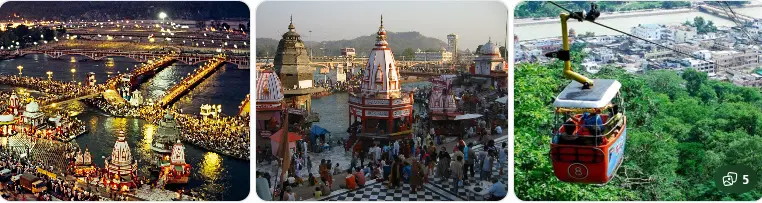
Haridwar is best known for the mesmerizing Ganga Aarti at Har Ki Pauri, where thousands of oil lamps illuminate the river every evening, creating an unforgettable spiritual atmosphere. The city is also home to ancient temples, ashrams, yoga centers, and cultural landmarks that attract both religious travelers and leisure tourists from around the world.
Apart from its spiritual significance, Haridwar offers scenic beauty, delicious vegetarian cuisine, vibrant local markets, and easy access to nearby destinations like Rishikesh, Rajaji National Park, and Dehradun. Whether you are seeking divine blessings, cultural experiences, or a peaceful retreat, Haridwar promises an enriching journey that blends faith, history, and nature into one unforgettable destination.
History of Haridwar
Haridwar has a rich history that stretches back thousands of years, making it one of the oldest continuously inhabited cities in India. Mentioned in ancient Hindu scriptures such as the Mahabharata, the Ramayana, and various Puranas, the city has been an important center of pilgrimage, meditation, and religious learning since ancient times.
According to Hindu mythology, Haridwar is one of the four sacred locations where drops of Amrit (the nectar of immortality) fell during the legendary Samudra Manthan (Churning of the Ocean). This divine event is the reason why the Kumbh Mela is celebrated here every twelve years, attracting millions of pilgrims from across the globe.
The city has been closely associated with numerous sages, saints, and spiritual leaders who chose its peaceful surroundings for meditation and penance. Ancient legends state that King Bhagiratha performed intense penance here to bring the holy River Ganga from heaven to earth for the salvation of his ancestors. This story forms one of the most significant spiritual narratives connected with Haridwar.
Historically, Haridwar also served as a major trade route connecting the plains of North India with the Himalayan kingdoms. During the medieval period, various Hindu rulers contributed to the construction of temples, ghats, and religious institutions. Later, under British administration, Haridwar witnessed infrastructural development, including roads, railways, and irrigation canals that improved connectivity while preserving its religious importance.
Today, Haridwar continues to preserve its ancient traditions while embracing modern tourism. The city's festivals, temples, spiritual institutions, yoga centers, and cultural heritage make it one of India's most visited pilgrimage destinations. Despite rapid urban development, Haridwar retains its sacred atmosphere, offering visitors a unique blend of history, mythology, devotion, and timeless cultural heritage.
Why Haridwar is Famous
Haridwar is famous worldwide as one of India's holiest pilgrimage destinations and an important gateway to the Char Dham Yatra from Haridwar. The city attracts millions of visitors every year who come to seek blessings, perform religious rituals, and experience the spiritual energy flowing along the banks of the sacred River Ganga.
One of Haridwar's greatest attractions is the iconic Har Ki Pauri, where devotees gather every evening to witness the magnificent Ganga Aarti. Thousands of illuminated lamps floating on the river create a breathtaking spectacle that symbolizes devotion and divine blessings.
The city is also renowned for its ancient temples, including Mansa Devi Temple, Chandi Devi Temple, Maya Devi Temple, Daksha Mahadev Temple, and Bharat Mata Mandir. These sacred sites hold immense religious significance and are visited by pilgrims from across India and abroad.
Haridwar is equally famous for hosting the Kumbh Mela, the world's largest peaceful religious gathering, where millions of devotees take a holy dip in the River Ganga. This grand festival reflects India's rich spiritual traditions and attracts international attention.
Apart from religious tourism, Haridwar is known for yoga, Ayurveda, meditation centers, ashrams, scenic ghats, wildlife experiences in Rajaji National Park, and vibrant local markets selling handicrafts, religious items, and Ayurvedic products.
Its peaceful environment, spiritual heritage, and easy accessibility make Haridwar one of the most important destinations for religious tourism, wellness travel, family vacations, and cultural exploration in India.
Top Tourist Attractions in Haridwar
1. Har Ki Pauri
Har Ki Pauri is the most iconic and sacred attraction in Haridwar. Located on the banks of the River Ganga, this holy ghat is believed to bear the footprints of Lord Vishnu. Every evening, the famous Ganga Aarti transforms the riverbank into a mesmerizing spiritual spectacle, with priests offering prayers using large brass lamps while thousands of devotees chant hymns. Pilgrims take a holy dip here, believing that the sacred waters cleanse sins and bring spiritual purification. The best time to visit is during sunrise or sunset, when the atmosphere is peaceful and deeply spiritual.
2. Mansa Devi Temple
Situated atop Bilwa Parvat, Mansa Devi Temple is one of Haridwar's most revered Shakti Peethas. Dedicated to Goddess Mansa Devi, the temple is believed to fulfill the wishes of devotees who pray with sincere faith. Visitors can reach the temple either by trekking uphill or by taking the scenic ropeway (Udankhatola), which offers panoramic views of Haridwar and the River Ganga. During Navratri, the temple witnesses thousands of pilgrims seeking the blessings of the goddess.
3. Chandi Devi Temple
Located on Neel Parvat, Chandi Devi Temple is another significant pilgrimage site in Haridwar. Dedicated to Goddess Chandi, the temple is believed to mark the place where the goddess defeated the demon kings Chanda and Munda. Built in 1929 by the King of Kashmir, the temple is accessible by trekking or cable car. The hilltop location offers breathtaking views of Haridwar, lush green forests, and the Ganga valley. The temple is especially crowded during Navratri and other Hindu festivals.
4. Maya Devi Temple
Maya Devi Temple is one of the oldest and most sacred temples in Haridwar. Dedicated to Goddess Maya, the presiding deity of the city, this temple is considered one of the Siddh Peethas of India. According to Hindu mythology, it is believed that the heart and navel of Goddess Sati fell at this location, making it a highly revered pilgrimage site. The temple attracts devotees throughout the year and is an important stop for those undertaking the Panch Tirth Yatra in Haridwar.
5. Bharat Mata Mandir
Bharat Mata Mandir is one of the most unique and patriotic temples in India. Unlike traditional temples dedicated to a specific deity, this eight-story temple is dedicated to Mother India (Bharat Mata). It was inaugurated by former Prime Minister Indira Gandhi in 1983 and symbolizes India's unity, cultural diversity, and spiritual heritage.
Each floor of the temple has a distinct theme. The first floor houses the idol of Bharat Mata, while the upper floors are dedicated to freedom fighters, saints, sages, revered women, various Hindu deities, and India's diverse cultural traditions. Visitors can enjoy panoramic views of Haridwar and the surrounding Himalayan foothills from the upper levels.
Bharat Mata Mandir is a must-visit destination for history enthusiasts, families, students, and anyone interested in India's rich cultural legacy.
6. Daksha Mahadev Temple
Daksha Mahadev Temple is one of the most sacred temples in Haridwar and is closely associated with the legendary story of Lord Shiva and Goddess Sati. Located in Kankhal, around 4 kilometers from Har Ki Pauri, this ancient temple attracts thousands of devotees every year.
According to Hindu mythology, King Daksha organized a grand yagna (fire sacrifice) but deliberately did not invite his son-in-law, Lord Shiva. Feeling deeply insulted by her father's disrespect toward her husband, Goddess Sati sacrificed herself in the sacred fire. Enraged by this tragedy, Lord Shiva performed the cosmic dance of destruction (Tandava) and later carried Sati's body across the universe. This divine event led to the creation of the Shakti Peethas.
Today, Daksha Mahadev Temple is regarded as one of Haridwar's most important pilgrimage sites. The temple experiences heavy footfall during the holy month of Shravan and the festival of Mahashivratri.
7. Shantikunj
Shantikunj is the headquarters of the All World Gayatri Pariwar, one of India's largest spiritual and social organizations. Established in 1971 by Pandit Shriram Sharma Acharya, Shantikunj has become a global center for spiritual learning, meditation, yoga, and moral education.
Spread across beautifully maintained gardens and peaceful surroundings, Shantikunj welcomes visitors from around the world. Daily activities include meditation sessions, spiritual discourses, Vedic chanting, yoga classes, and community service programs.
The campus also houses libraries, research centers, Ayurvedic gardens, and educational institutions dedicated to promoting Indian culture and holistic living. Visitors seeking inner peace and spiritual growth often spend several days participating in various workshops and programs.
Shantikunj is not just a tourist attraction but also a place of transformation, where spirituality and social responsibility are beautifully integrated.
8. Pawan Dham
Pawan Dham is a beautifully decorated temple famous for its intricate mirror work, colorful glass carvings, and artistic craftsmanship. Unlike conventional temples, Pawan Dham captivates visitors with its stunning architecture and detailed interior decorations.
The temple houses beautifully crafted idols of Lord Shiva, Lord Rama, Lord Krishna, Goddess Durga, and several other Hindu deities. Every wall, pillar, and ceiling reflects vibrant glasswork that creates a dazzling visual experience.
Apart from its religious significance, Pawan Dham is appreciated as an architectural masterpiece that combines devotion with artistic excellence. The peaceful environment makes it an ideal place for meditation and photography.
9. Sapt Rishi Ashram
Sapt Rishi Ashram is one of Haridwar's most serene spiritual destinations. According to ancient Hindu beliefs, seven great sages—Kashyapa, Atri, Bharadwaja, Vishwamitra, Gautama, Jamadagni, and Vashistha—performed intense meditation at this sacred location.
Legend says that to avoid disturbing their meditation, the River Ganga divided itself into seven streams, each flowing around one sage. This area is therefore known as Sapt Sarovar.
Today, Sapt Rishi Ashram provides a peaceful retreat for meditation, yoga, and spiritual reflection. The calm surroundings, lush greenery, and flowing river create a tranquil atmosphere that contrasts with the bustling city center.
Many visitors come here to experience silence, practice meditation, and connect with nature.
10. Rajaji National Park
Rajaji National Park is one of Uttarakhand's most famous wildlife reserves and a paradise for nature lovers and adventure enthusiasts. Covering more than 820 square kilometers, the park stretches across Haridwar, Dehradun, and Pauri Garhwal districts.
The park is home to:
- Asian Elephants
- Bengal Tigers
- Leopards
- Himalayan Black Bears
- Deer
- Wild Boars
- Monitor Lizards
- Over 300 species of birds
Visitors can enjoy thrilling jeep safaris, birdwatching, wildlife photography, and nature walks while exploring dense forests, rivers, and grasslands.
The best months for wildlife safaris are November to June, when animal sightings are more frequent.
Rajaji National Park offers a refreshing escape from the spiritual attractions of Haridwar and showcases the incredible biodiversity of the Himalayan foothills.
Best Time to Visit Haridwar
Haridwar is a year-round destination, but the ideal time to visit depends on your travel preferences.
October to March (Best Season)
Winter is considered the best time to visit Haridwar. The weather remains cool and pleasant, with temperatures ranging between 8°C and 25°C. This season is perfect for sightseeing, temple visits, evening Ganga Aarti, and nearby excursions.
April to June
Summer temperatures range from 20°C to 40°C. Although afternoons can be hot, mornings and evenings remain suitable for religious activities. This is also an excellent time for the Char Dham pilgrimage.
July to September
The monsoon season transforms Haridwar into a lush green destination. However, heavy rainfall may occasionally disrupt travel plans and outdoor sightseeing.
Festival Season
Haridwar becomes especially vibrant during:
- Kumbh Mela
- Ardh Kumbh Mela
- Mahashivratri
- Kanwar Yatra
- Navratri
- Diwali
- Ganga Dussehra
Visiting during these festivals offers a unique cultural and spiritual experience but also means larger crowds and higher accommodation demand.
How to Reach Haridwar
Haridwar enjoys excellent connectivity by air, rail, and road, making it one of the most accessible pilgrimage destinations in North India.
By Air
The nearest airport is Jolly Grant Airport, Dehradun, located approximately 35 kilometers from Haridwar. Regular flights connect Dehradun with Delhi, Mumbai, Bengaluru, Hyderabad, Lucknow, Jaipur, and other major Indian cities. Taxis and buses are readily available from the airport.
By Train
Haridwar Junction Railway Station is one of the busiest railway stations in Uttarakhand. It is well connected with major cities such as:
- Delhi
- Mumbai
- Kolkata
- Chennai
- Jaipur
- Varanasi
- Ahmedabad
- Lucknow
Popular trains include Shatabdi Express, Jan Shatabdi Express, Mussoorie Express, and Doon Express.
By Road
Haridwar is connected through an excellent network of national highways.
Approximate road distances:
- Delhi – 220 km
- Dehradun – 52 km
- Rishikesh – 25 km
- Chandigarh – 200 km
- Agra – 380 km
- Jaipur – 500 km
Regular government and private buses operate from Delhi, Chandigarh, Dehradun, and other nearby cities. Travelers can also hire taxis or self-drive to Haridwar via well-maintained highways.
Things to Do in Haridwar
Haridwar offers a wide range of spiritual, cultural, and recreational experiences for visitors of all ages.
Witness the Ganga Aarti
Watching the evening Ganga Aarti at Har Ki Pauri is the most unforgettable experience in Haridwar. The synchronized chanting, ringing bells, and floating diyas create an atmosphere of profound devotion.
Take a Holy Dip
Many pilgrims begin their Haridwar journey by taking a sacred bath in the River Ganga at Har Ki Pauri, believing it brings spiritual purification and blessings.
Visit Ropeway Temples
Ride the cable cars to Mansa Devi Temple and Chandi Devi Temple while enjoying spectacular aerial views of Haridwar.
Explore Ashrams
Spend time at Shantikunj, Sapt Rishi Ashram, and other spiritual centers to experience meditation, yoga, and peaceful surroundings.
Enjoy Wildlife Safari
Visit Rajaji National Park for jeep safaris, birdwatching, and opportunities to spot elephants, tigers, deer, and numerous bird species.
Shop in Local Markets
Purchase Rudraksha beads, brass idols, religious books, Ayurvedic medicines, handicrafts, souvenirs, and local sweets from Haridwar's bustling markets.
Attend Festivals
If your visit coincides with Kumbh Mela, Kanwar Yatra, or Ganga Dussehra, you'll witness vibrant religious processions, cultural performances, and an extraordinary display of faith.
Taste Local Cuisine
Sample delicious vegetarian delicacies such as Aloo Puri, Kachori Sabzi, Chole Bhature, Jalebi, Rabri, Lassi, and traditional North Indian thalis.
Photography
Capture stunning images of temples, ghats, sunsets, the Ganga Aarti, wildlife, and the scenic Himalayan foothills.
Local Food in Haridwar
Haridwar is not only a spiritual destination but also a paradise for lovers of authentic North Indian vegetarian cuisine. Since the city is one of Hinduism's holiest pilgrimage sites, most restaurants and eateries serve pure vegetarian food prepared with traditional recipes. The local flavors are simple, delicious, and deeply rooted in Uttarakhand's culinary heritage.
One of the must-try dishes is Aloo Puri, a classic breakfast served with spicy potato curry and fluffy deep-fried bread. Another favorite is Kachori Sabzi, known for its crispy texture and flavorful filling. Visitors also enjoy Chole Bhature, Paneer dishes, Rajma Chawal, and traditional North Indian thalis.
Haridwar is especially famous for its sweets. Freshly prepared Jalebi, Rabri, Gulab Jamun, Rasgulla, and Lassi are popular among tourists and pilgrims. During festivals, local sweet shops prepare a variety of traditional Indian desserts that add to the festive atmosphere.
Street food lovers can enjoy Samosa, Pakora, Fruit Chaat, Kulfi, and refreshing sugarcane juice while exploring the city's bustling markets. Many restaurants near Har Ki Pauri and the railway station offer affordable and hygienic meals.
Whether dining at a local dhaba or a family restaurant, Haridwar's vegetarian cuisine reflects the city's spiritual traditions and warm hospitality, making every meal a memorable part of the journey.
Shopping in Haridwar
Shopping in Haridwar is a delightful experience, offering a mix of religious souvenirs, traditional handicrafts, Ayurvedic products, and local specialties. The city's vibrant markets attract pilgrims and tourists looking for meaningful keepsakes and authentic gifts.
One of the most popular shopping areas is Moti Bazaar, where visitors can purchase Rudraksha beads, prayer malas, brass idols, incense sticks, temple bells, religious books, and spiritual accessories. The colorful lanes are lined with shops selling handcrafted items and devotional articles.
Bara Bazaar is another bustling marketplace known for textiles, ethnic clothing, handcrafted jewelry, copper utensils, wooden handicrafts, and decorative home items. Tourists also buy Ayurvedic medicines, herbal oils, organic honey, natural cosmetics, and wellness products produced by local manufacturers.
Haridwar is an excellent place to purchase souvenirs such as miniature temples, Ganga water containers, framed images of Hindu deities, and handcrafted gift items. During major festivals, the markets become even more vibrant with decorative lights, festive products, and traditional sweets.
Most shops are located within walking distance of Har Ki Pauri, making shopping convenient after temple visits and sightseeing.
Accommodation in Haridwar
Haridwar offers accommodation options for every budget, ranging from economical dharamshalas and guest houses to luxury hotels and riverside resorts. Whether you are visiting for pilgrimage, leisure, yoga retreats, or family vacations, you will find comfortable places to stay throughout the city.
Budget travelers often choose guest houses and dharamshalas located near Har Ki Pauri, railway station, and major temples. These accommodations provide clean rooms and essential amenities at affordable prices.
Mid-range hotels offer modern facilities such as air-conditioned rooms, complimentary breakfast, Wi-Fi, parking, travel assistance, and family-friendly services. Many of these properties are situated close to popular attractions, making sightseeing convenient.
Luxury hotels and wellness resorts provide premium accommodation with spacious rooms, fine dining, spa services, yoga sessions, conference facilities, and beautiful views of the River Ganga or surrounding hills. These are ideal for travelers seeking relaxation and comfort.
During major festivals like Kumbh Mela, Kanwar Yatra, Mahashivratri, and Ganga Dussehra, accommodation demand increases significantly. Booking your hotel well in advance is highly recommended to secure the best options and rates.
Festivals & Events in Haridwar
Haridwar celebrates numerous religious festivals that attract millions of pilgrims and tourists from India and around the world. These events showcase the city's rich spiritual traditions, vibrant culture, and deep-rooted faith.
Kumbh Mela
The Kumbh Mela is the most famous festival held in Haridwar every twelve years. Considered the world's largest peaceful religious gathering, millions of devotees take a holy dip in the River Ganga, believing it brings spiritual purification and liberation.
Ardh Kumbh Mela
Celebrated every six years, the Ardh Kumbh Mela also attracts an enormous number of pilgrims, saints, and spiritual leaders who gather for sacred bathing rituals and religious discourses.
Ganga Dussehra
This festival commemorates the descent of the sacred River Ganga to Earth. Thousands of devotees perform rituals, offer prayers, and participate in grand evening Ganga Aarti ceremonies.
Mahashivratri
Dedicated to Lord Shiva, Mahashivratri is celebrated with great devotion. Temples remain open throughout the night, and devotees observe fasting, chanting, and special prayers.
Kanwar Yatra
During the holy month of Shravan, millions of Kanwariyas visit Haridwar to collect sacred Ganga water, which they later offer at Shiva temples across India.
Navratri & Diwali
Navratri brings colorful temple celebrations and devotional programs, while Diwali illuminates the ghats and temples with thousands of lamps, creating a magical spiritual atmosphere.
Travel Tips for Haridwar
- Visit Har Ki Pauri early morning or before sunset to avoid heavy crowds.
- Dress modestly while visiting temples and religious places.
- Remove footwear before entering temple premises.
- Carry comfortable walking shoes for sightseeing and temple visits.
- Keep your belongings secure in crowded pilgrimage areas.
- Respect local customs, traditions, and religious practices.
- Avoid plastic waste and help keep the River Ganga clean.
- Book hotels early during festival seasons.
- Carry light woolen clothing during winter months.
- Stay hydrated during summer and wear sunscreen.
- Hire licensed guides if you wish to explore the city's history and mythology in detail.
- Follow safety instructions during Ganga Aarti and while bathing in the river.
- Keep emergency contact numbers and hotel details handy.
Nearby Tourist Places from Haridwar
Rishikesh (25 km)
Known as the Yoga Capital of the World, Rishikesh is famous for the Lakshman Jhula, Ram Jhula, Triveni Ghat, white-water rafting, yoga retreats, and adventure sports.
Dehradun (52 km)
The capital city of Uttarakhand offers attractions such as Robber's Cave, Sahastradhara, Forest Research Institute, Mindrolling Monastery, and vibrant shopping streets.
Mussoorie (85 km)
Popularly known as the Queen of Hills, Mussoorie offers breathtaking Himalayan views, Kempty Falls, Gun Hill, Camel's Back Road, and pleasant weather throughout the year.
Neelkanth Mahadev Temple (50 km)
Located amidst scenic hills near Rishikesh, this sacred temple dedicated to Lord Shiva attracts thousands of devotees annually.
Rajaji National Park
Nature lovers can explore wildlife safaris, elephant sightings, birdwatching, and dense forests within one of North India's most important protected areas.
Chilla Wildlife Sanctuary
Part of Rajaji National Park, Chilla is well known for jeep safaris, bird photography, and opportunities to spot elephants, deer, and other wildlife.
Devprayag (95 km)
One of Uttarakhand's sacred Panch Prayags, Devprayag is the confluence of the Alaknanda and Bhagirathi rivers, where the holy Ganga officially begins.
These nearby destinations make Haridwar an excellent base for exploring Uttarakhand's spiritual, natural, and adventure attractions.
Conclusion
Haridwar is much more than a pilgrimage destination—it is a timeless blend of spirituality, history, culture, and natural beauty. From the divine atmosphere of Har Ki Pauri and the sacred temples perched on scenic hilltops to peaceful ashrams and the rich biodiversity of Rajaji National Park, the city offers memorable experiences for every traveler.
Whether you seek spiritual enlightenment, cultural exploration, family vacations, wellness retreats, or nature adventures, Haridwar provides the perfect balance of devotion and relaxation. Its vibrant festivals, welcoming hospitality, delicious vegetarian cuisine, and excellent connectivity make it one of India's most cherished travel destinations.
A journey to Haridwar is not just a vacation but a deeply enriching experience that leaves visitors with lasting memories, inner peace, and a stronger connection to India's spiritual heritage.
FAQs About Haridwar
1. Why is Haridwar famous?
Haridwar is famous for the River Ganga, Har Ki Pauri, Ganga Aarti, ancient temples, and being one of the holiest pilgrimage cities in India.
2. What is the best time to visit Haridwar?
October to March is considered the best time due to pleasant weather.
3. How many days are enough for Haridwar?
A 2–3 day trip is ideal to explore major attractions.
4. Is Haridwar safe for tourists?
Yes, Haridwar is generally safe for families, solo travelers, and international visitors.
5. Which is the most famous temple in Haridwar?
Mansa Devi Temple and Chandi Devi Temple are among the most visited temples.
6. What is Har Ki Pauri famous for?
It is famous for the evening Ganga Aarti and holy bathing ghats.
7. Can tourists take a dip in the Ganga?
Yes, designated bathing areas are available with safety measures.
8. Is alcohol allowed in Haridwar?
No. Haridwar is a holy city, and the sale and consumption of alcohol and non-vegetarian food are prohibited in many areas.
9. Which airport is nearest to Haridwar?
Jolly Grant Airport in Dehradun, about 35 km away.
10. Is Haridwar suitable for family trips?
Yes, it is one of India's best family-friendly pilgrimage destinations.
11. What are the famous festivals in Haridwar?
Kumbh Mela, Ardh Kumbh, Kanwar Yatra, Ganga Dussehra, Mahashivratri, Navratri, and Diwali.
12. What can I buy in Haridwar?
Rudraksha beads, Ayurvedic products, brass idols, handicrafts, religious books, and souvenirs.
13. Is one day enough for Haridwar?
A day covers the highlights, but 2–3 days allow a more relaxed experience.
14. What are the best nearby places to visit?
Rishikesh, Mussoorie, Dehradun, Devprayag, and Rajaji National Park.
15. Why should I visit Haridwar?
Haridwar offers a unique combination of spirituality, history, scenic beauty, yoga, temples, festivals, and cultural experiences, making it one of India's most rewarding destinations.
Share this guide
Latest Blog Posts
Latest News: Haridwar Travel Guide 2026 | Temples, Ganga Aarti & Tips
YATRI STORIES
View All Reviews What Our Travelers Say
Real experiences from pilgrims and families who trusted Ojas Travel for Char Dham, Kailash & India tours.
The Dwaraka pilgrimage was a beautiful experience. The arrangements were top-notch and every moment felt special.
Visited India for the first time and the trip to Haridwar was amazing. Beautiful, peaceful, and well-coordinated.
The trip to Ajmer Sharif was magical! The care and attention to detail made the pilgrimage even more meaningful.
The journey to Haridwar and Rishikesh was amazing. Everything was perfect, and I could focus entirely on the spirituality of the trip.
Our pilgrimage to the Sabarimala temple was filled with peace and grace. I couldn’t have asked for a better journey.
