- 1- Muktinath Temple: A Sacred Pilgrimage Site for Hindus and Buddhists
- 2. The 108 Water Spouts of Muktinath Hold Deep Spiritual Significance
- 3. The Eternal Flame at Jwala Mai Temple Burns Naturally Without Stopping
- 4. Muktinath Temple’s High Altitude Makes It One of the World’s Highest Temples
- How Travellers Reach Muktinath Temple
- Conclusion
- FAQs
Located far out in Nepal’s Himalayan Mustang region, Muktinath Temple is a lot more than a pilgrimage destination. It is a place where spirituality, mountain beauty, ancient beliefs and cultural harmony come together in the most intriguing way. Thousands of visitors and devotees plan a tour for Muktinath mandir darshan every year to seek serenity, blessings and a once-in-a-lifetime spiritual experience.
What makes Muktinath special isn’t only its religious importance, but also the stories, rituals, and natural wonders connected to it. From sacred water spouts to an eternal flame, every part of the temple carries deep meaning.
Here are the top five remarkable facts about Muktinath Temple that make it one of the most amazing spiritual sites in Nepal.
1- Muktinath Temple: A Sacred Pilgrimage Site for Hindus and Buddhists
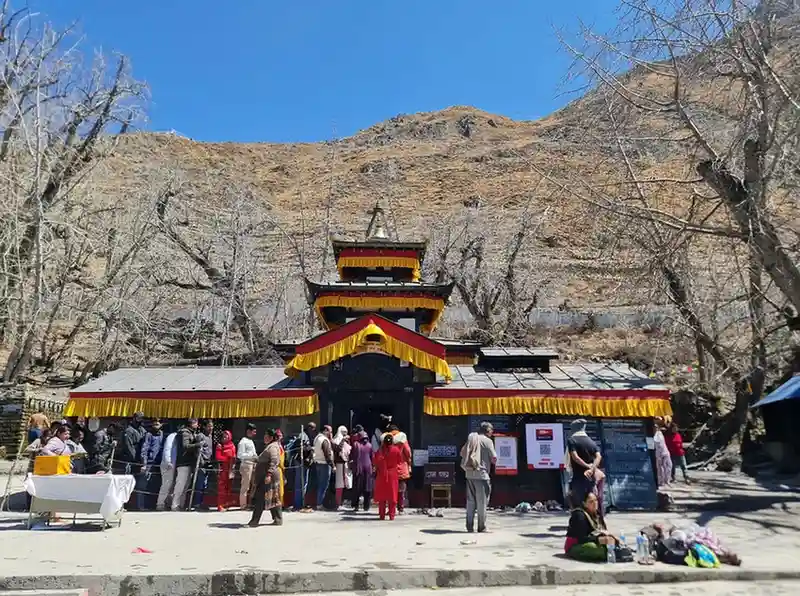
Muktinath Temple is one of the few holy places worshipped by both Hindus and Buddhists. Hindus believe the temple to be a sacred spot of Lord Vishnu and Buddhists revere it as Chumig Gyatsa or “Hundred Waters”.
This spiritual connection is what makes the temple unique. Pilgrims from Nepal, India and Tibet are all attracted to the shrine with a common devotion but diverse beliefs.
The historical importance of Muktinath temple is also connected with Vaishnavism since it is one of the 108 Divya Desams dedicated to Lord Vishnu. Interestingly, it is the only Divya Desam outside of India.
2. The 108 Water Spouts of Muktinath Hold Deep Spiritual Significance
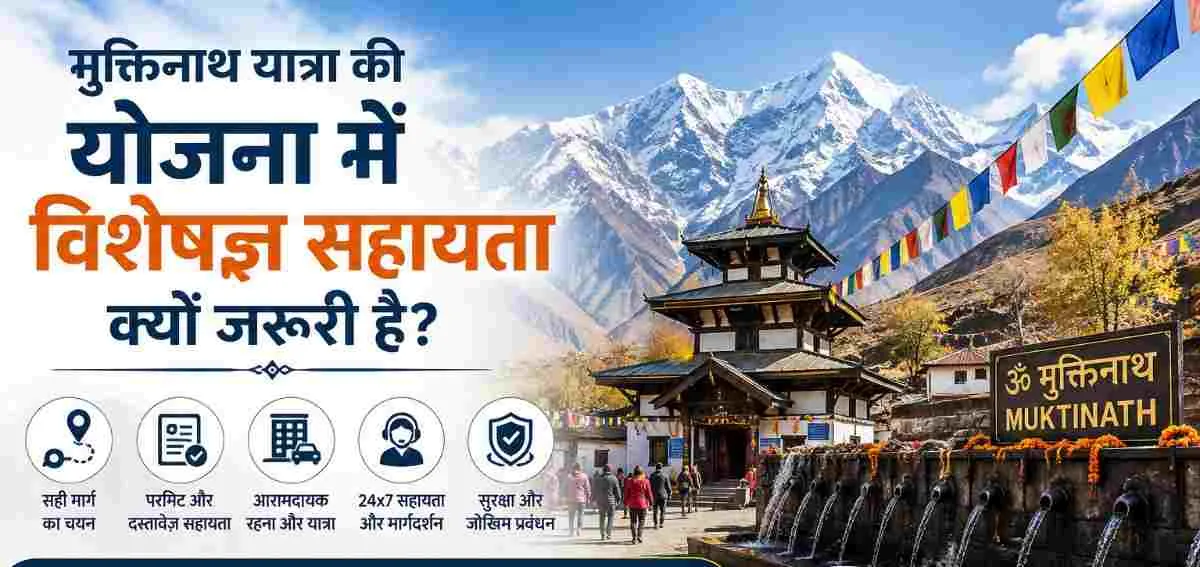
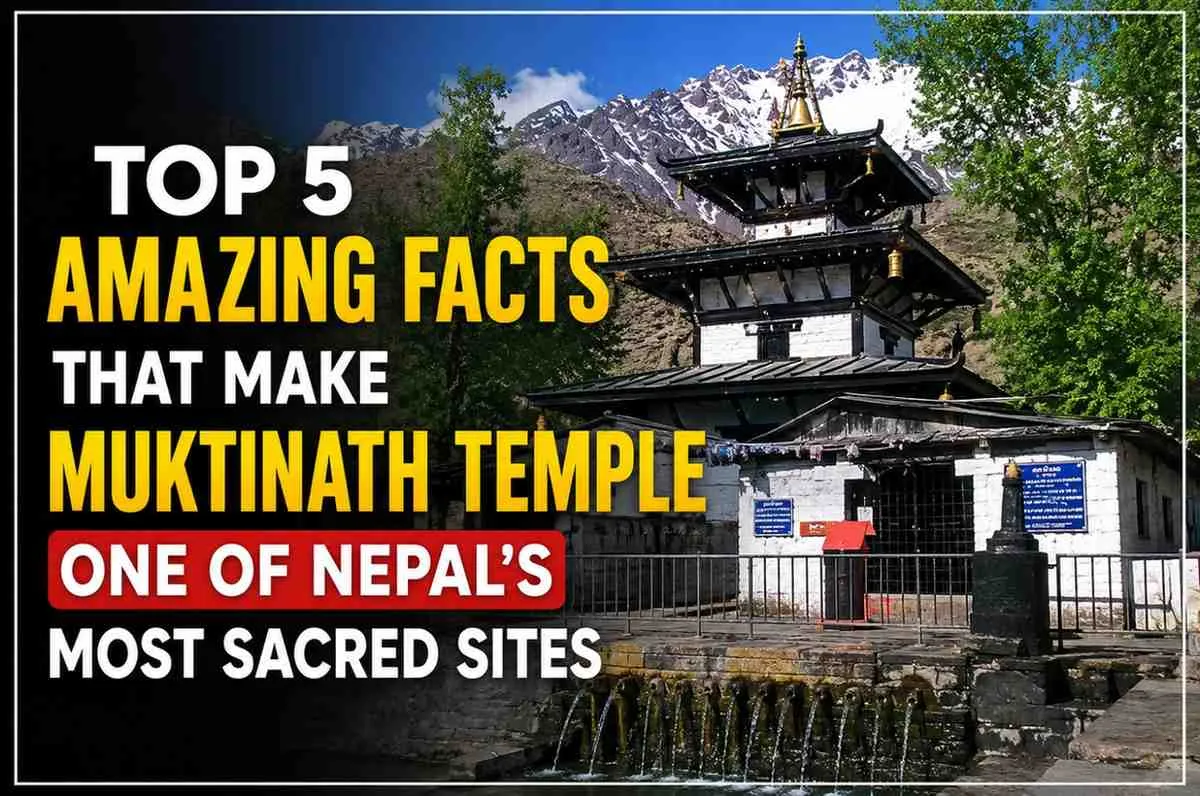
Inside the temple complex, one of the most notable sights is the 108 sacred water spouts called Mukti Dhara. From these stone spouts in the shape of bull heads, ice-cold water is always running.
Pilgrims walk under every water stream as a ritual of purification. Many devotees believe it washes away sins and gives spiritual calm. The number of repetitions is also significant. 108 is a sacred number in Hinduism and Buddhism.
The sound of running water, multicoloured prayer flags and quiet mountain surroundings provide an amazing spiritual experience for travellers.
3. The Eternal Flame at Jwala Mai Temple Burns Naturally Without Stopping
Near the main temple is the popular Jwala Mai Temple, where a natural, eternal flame has been burning for centuries. What makes this flame unusual is that it comes up naturally from subterranean gas.
Many visitors are surprised to find water and fire together in one hallowed spot. For devotees, the flame symbolises divine energy and spiritual force.
This is not like regular flames, which are kept artificially. The natural flame still burns inside the temple and is one of the biggest mysteries of Muktinath. For many travellers, this is the most interesting part of their pilgrimage experience.
4. Muktinath Temple’s High Altitude Makes It One of the World’s Highest Temples
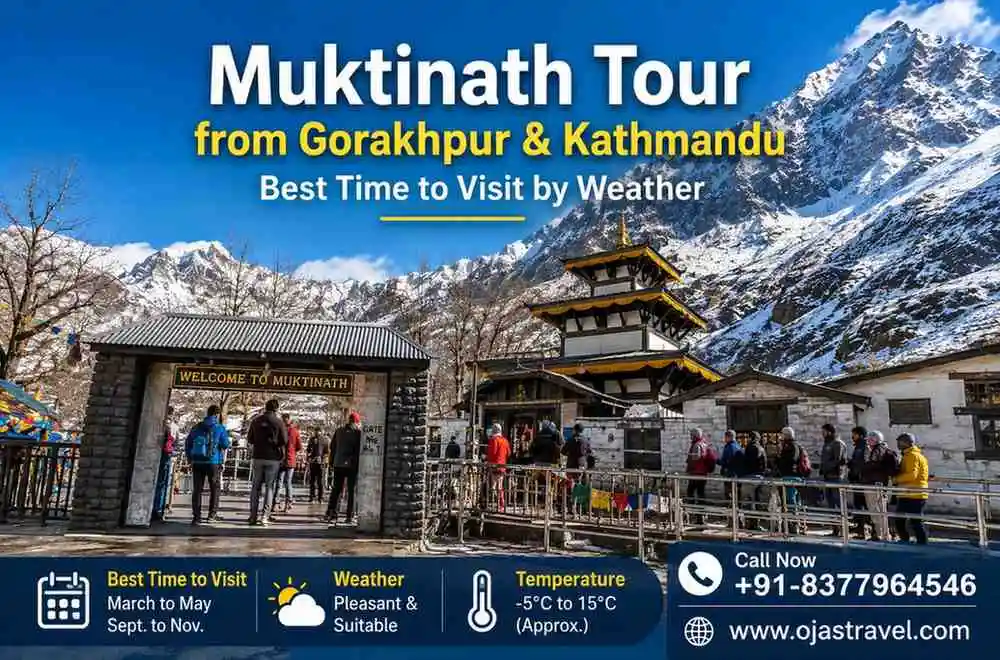
Another thing that makes Muktinath feel exceptional is its stunning Himalayan setting. The Muktinath altitude is approximately 3,710 meters above sea level. The Muktinath height in feet is approximately 12,172 feet, which is one of the highest Vishnu temples in the world.
Most pilgrimage sites do not look like this setting. The snow-covered peaks, the bleak hills, and the strong mountain winds make a tranquil yet forceful atmosphere.
Many tourists choose to cover the Kathmandu to Muktinath distance, which is around 360-400 kilometres, depending on the travel route. But it’s not just about the distance. It is about witnessing the gorgeous highways, valleys and the Himalayan villages throughout the journey.
5. Ancient Legends Make Muktinath Temple Even More Fascinating
The Muktinath temple story is closely associated with Hindu mythology. According to belief, Lord Vishnu attained liberation from a curse at this sacred place, which is why the site became known as Mukti Kshetra or “place of liberation”.
The temple is also associated with Shaligram stones found in the adjacent Gandaki River. These black fossil stones are worshipped as forms of Lord Vishnu and have profound religious significance.
The temple is also associated with Guru Padmasambhava in the Buddhist traditions, who is said to have meditated here on his way to Tibet. These stories add a spiritual significance to Muktinath, which is already beautiful in its natural setting.
How Travellers Reach Muktinath Temple
Pilgrims ask frequently how to reach Muktinath temple comfortably. The trek usually begins from Kathmandu or Pokhara. Travellers can pick from road excursions, helicopter tours or trekking paths.
The Muktinath tour by road is a favoured choice for pilgrims who wish to experience the Himalayan views during the entire trek. Travellers looking for quicker access and comfortable travel prefer helicopter trips as well.
Also, before arranging the journey, travellers should check the Muktinath temple timings as occasionally the weather conditions in the Mustang region affect temple visits in winter.
Why Choose Ojas Travel for Your Journey
Ojas Travel aims at providing a pleasant, structured and spiritually fulfilling pilgrimage for the tourists. We take care of all travel needs like transport, lodging, permits, sightseeing and guide aid throughout the trip.
Travellers have different package options that are tailored to their comfort and schedule. We offer Muktinath 6 nights 7 days tours, Muktinath by helicopter tour and Muktinath & Janakpur combined tour for families, groups, and senior travellers. We prepare each trip very carefully to reduce travel stress and make the experience as easy as possible from start to finish.
Our professionally managed services give a reliable Muktinath temple tour package where pilgrims can focus more on devotion and serene travel experiences. We also have Nepal holiday package covering spiritual and adventurous sites in Nepal with reliable coordination and expert travel support.
Conclusion
Muktinath Temple is much more than just a Himalayan pilgrimage spot. It is a place where spirituality, mythology, natural beauty and cultural harmony elegantly come together. With its sacred water spouts, eternal flame, ancient stories, and stunning mountain settings, it is one of the most distinctive locations in Nepal. It gives spiritual tranquillity to the pilgrims and for travellers it offers a wonderful Himalayan experience of faith, beauty and history.
FAQs
What is special about Muktinath Temple?
Muktinath Temple is special because it is sacred to both Hindus and Buddhists. The temple is famous for its 108 holy water spouts, eternal flame, and spiritual belief of offering liberation and peace to devotees.
What is the oxygen level at the Muktinath Temple?
Since Muktinath is located at a high altitude of around 3,710 metres, oxygen levels are lower than normal. Some travellers may experience mild breathing difficulty or altitude discomfort during the visit.
What is the beauty of Muktinath?
Muktinath is known for its peaceful Himalayan scenery, snow-covered mountains, colourful prayer flags, and spiritual atmosphere. The combination of natural beauty and sacred surroundings creates a unique travel experience.
What is the original name of Muktinath?
The original ancient name of Muktinath is Mukti Kshetra, which means “Place of Liberation”. In Tibetan Buddhism, it is also called Chumig Gyatsa, meaning “Hundred Waters”.