
Bali was an absolute dream! The temples, beaches, and serene atmosphere gave us the ultimate break. Everything from the flights to the activities was well taken care of!
Mountain Travel Guide
Adi Kailash
Best time: Year-round
Flexible hours
Custom & group tours available
Expert planning support
About Adi Kailash
Adi Kailash Yatra – The Sacred Abode of Lord Shiva in the Indian Himalayas
Adi Kailash, also known as Chhota Kailash, is one of the most sacred pilgrimage destinations in India. Nestled in the breathtaking Himalayan ranges of the Pithoragarh district in Uttarakhand, Adi Kailash stands at an altitude of approximately 5,945 meters (19,505 feet). It is revered as the earthly manifestation of Mount Kailash in Tibet and holds immense spiritual significance among Hindus, Buddhists, Jains, and devotees of Lord Shiva.
Unlike the original Mount Kailash in Tibet, Adi Kailash lies entirely within Indian territory, making it an accessible spiritual destination for Indian pilgrims and international travelers seeking divine blessings amidst the pristine Himalayas.
The Adi Kailash Yatra is much more than a mountain expedition; it is a journey of devotion, self-discovery, and inner peace. Every year, thousands of pilgrims undertake this sacred pilgrimage to witness the majestic Adi Kailash peak, perform prayers at Parvati Sarovar, and seek blessings from Lord Shiva.
History of Adi Kailash
The history of Adi Kailash dates back thousands of years and is deeply rooted in Hindu mythology. Ancient scriptures and local folklore describe this region as one of the divine abodes of Lord Shiva and Goddess Parvati.
According to Hindu beliefs, after spending time at Mount Kailash in Tibet, Lord Shiva and Goddess Parvati also resided at Adi Kailash. The peaceful surroundings, crystal-clear lakes, snow-covered mountains, and untouched forests made it an ideal place for meditation and spiritual practices.
The region has been home to the indigenous Rang (Shauka) community, who have preserved its traditions, culture, and spiritual heritage for centuries. Historically, Adi Kailash was also part of the ancient Indo-Tibetan trade route. Traders from India and Tibet crossed these Himalayan passes, carrying wool, salt, herbs, and other goods, contributing to the cultural exchange between the two regions.
Today, the Government of India has developed the Adi Kailash Yatra route, making this sacred pilgrimage more accessible while preserving its ecological and cultural significance.
Mythological Significance of Adi Kailash
Adi Kailash occupies a special place in Hindu mythology. It is believed that this mountain reflects the divine presence of Lord Shiva and serves as a spiritual gateway for devotees who are unable to visit Mount Kailash in Tibet.
Several legends associated with Adi Kailash include:
Lord Shiva's Meditation
According to ancient beliefs, Lord Shiva performed deep meditation in these Himalayan mountains. The serene environment and towering peaks symbolize detachment, purity, and spiritual enlightenment.
Goddess Parvati's Presence
The beautiful Parvati Sarovar, situated near Adi Kailash, is believed to be the sacred lake where Goddess Parvati spent time with Lord Shiva. Pilgrims offer prayers and perform rituals at this holy lake before seeking the blessings of Adi Kailash.
Lord Ganesha
Many local traditions state that Lord Ganesha frequently visited Adi Kailash to receive the blessings of his parents, Lord Shiva and Goddess Parvati.
The Sacred Om Parvat
One of the greatest attractions of the Adi Kailash region is Om Parvat, where a naturally formed snow pattern resembles the sacred Hindu symbol "ॐ" (Om). This extraordinary phenomenon is considered a divine blessing and attracts pilgrims from across the world.
Spiritual Importance of Adi Kailash
Adi Kailash is considered one of the holiest pilgrimage destinations in India because it symbolizes spiritual awakening and devotion.
Pilgrims believe that visiting Adi Kailash:
- Brings peace of mind.
- Removes negative energies.
- Helps attain spiritual growth.
- Strengthens faith in Lord Shiva.
- Offers liberation from worldly attachments.
- Purifies the soul through devotion and meditation.
Unlike commercial tourist destinations, Adi Kailash retains its untouched spiritual atmosphere. The silence of the mountains, the sound of flowing rivers, and the fresh Himalayan air create an ideal environment for meditation and self-reflection.
Why is Adi Kailash Called Chhota Kailash?
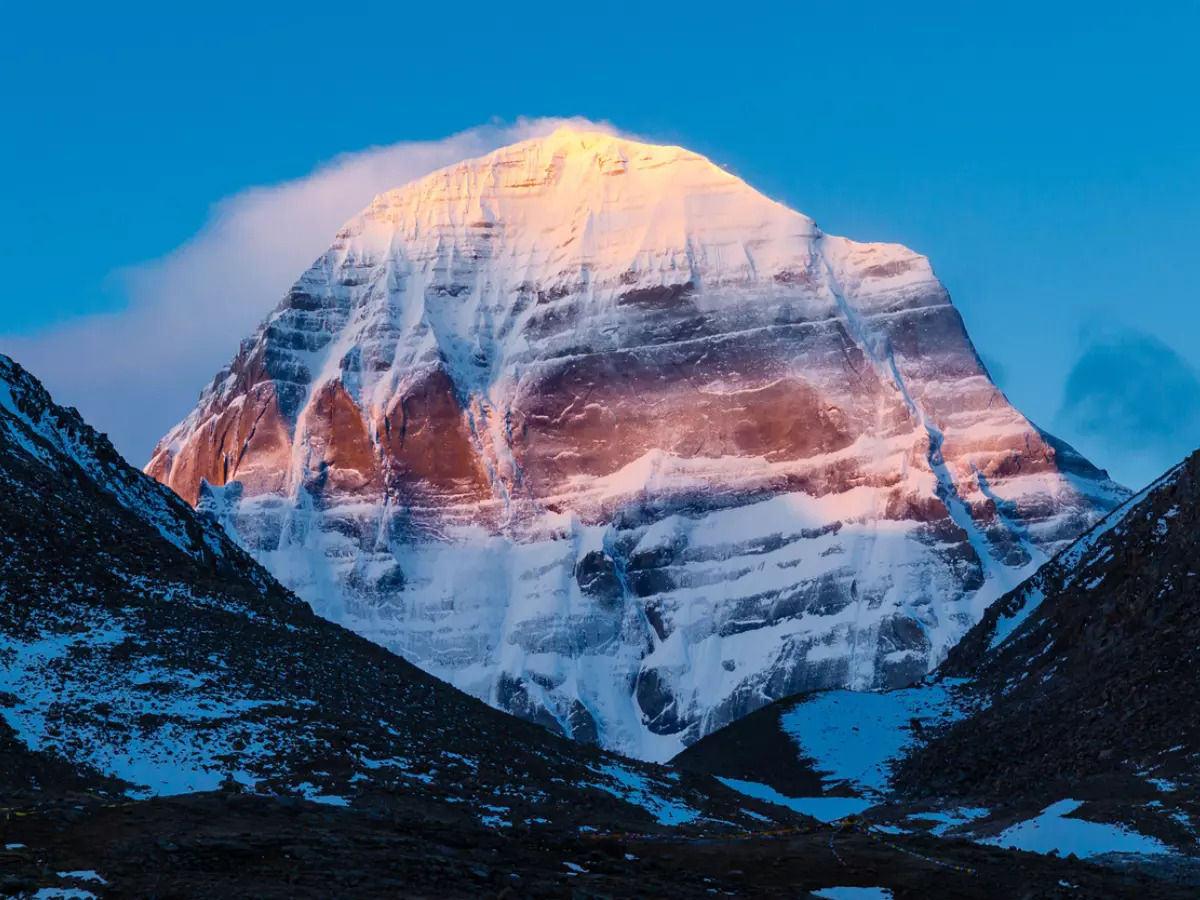
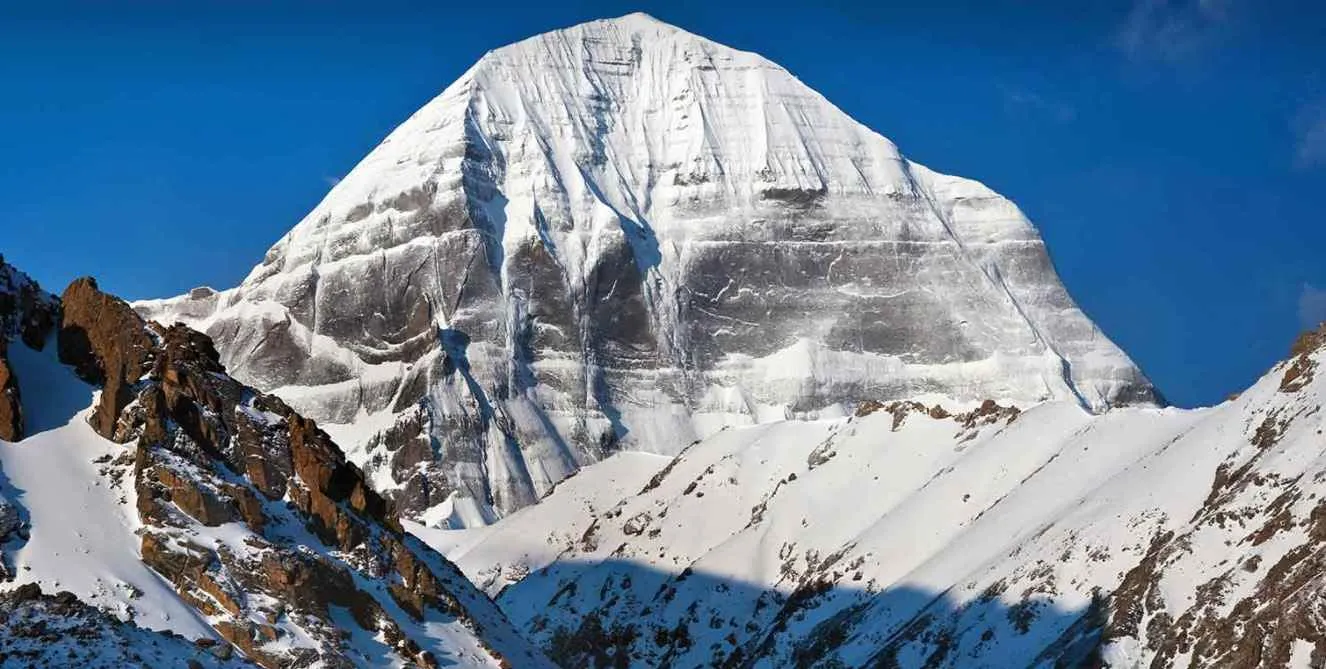
Adi Kailash is popularly known as Chhota Kailash (Little Kailash) because its appearance closely resembles the original Mount Kailash in Tibet. Although smaller in height, the mountain possesses similar pyramid-shaped features and snow formations.
Many devotees believe that worshipping Adi Kailash provides spiritual merit equivalent to visiting Mount Kailash, especially for those unable to undertake the international Kailash Mansarovar Yatra.
Religious Importance for Different Faiths
Hinduism
For Hindus, Adi Kailash is one of the sacred abodes of Lord Shiva. Pilgrims visit to seek blessings for prosperity, health, and spiritual liberation.
Buddhism
Many Buddhists consider the Himalayan region surrounding Adi Kailash to be spiritually powerful due to centuries of meditation by monks and sages.
Jainism
Although Jain traditions are more closely associated with Mount Kailash in Tibet, many Jain pilgrims also visit Adi Kailash as part of their Himalayan spiritual journeys.
The Divine Experience
The journey to Adi Kailash is filled with breathtaking landscapes, pristine rivers, lush valleys, waterfalls, snow-clad mountains, and ancient temples. Pilgrims often describe the experience as life-changing.
The sunrise over Adi Kailash, reflections in Parvati Sarovar, and the divine view of Om Parvat create unforgettable memories that remain with visitors forever.
Every step of the pilgrimage reminds travelers of the simplicity of life and the eternal connection between
Highlights of Adi Kailash
- Sacred abode of Lord Shiva.
- Located entirely within India.
- Home to the famous Om Parvat.
- Holy Parvati Sarovar.
- Rich mythological significance.
- Spectacular Himalayan scenery.
- Ancient Indo-Tibetan trade route.
- Spiritual and adventure destination.
- Accessible through Uttarakhand's Kumaon region.
- Ideal for pilgrims, trekkers, photographers, and nature lovers.
How to Reach Adi Kailash
Adi Kailash is located in the eastern Kumaon region of Uttarakhand, close to the Indo-Nepal and Indo-China (Tibet) borders. Although the destination lies in a remote Himalayan region, improved road connectivity has made the pilgrimage more accessible than ever before.
Most pilgrims begin their journey from Kathgodam, Pantnagar, or Delhi before travelling through the scenic hills of Kumaon.
By Air
The nearest airport is Pantnagar Airport (PGH), approximately 300–320 km from Dharchula, the main gateway to Adi Kailash. Regular flights connect Pantnagar with Delhi. From the airport, taxis and private vehicles are available to Dharchula.
Another option is to fly to Dehradun (Jolly Grant Airport) and continue by road, though this route is longer.
Approximate Distances
- Delhi to Pantnagar: 250 km (flight available)
- Pantnagar to Dharchula: 300–320 km
- Dharchula to Adi Kailash: approximately 180–200 km (depending on the route)
By Train
The nearest railway stations are:
- Kathgodam Railway Station – Best option
- Tanakpur Railway Station
- Haldwani Railway Station
Kathgodam is well connected with Delhi, Lucknow, Dehradun, and other major Indian cities.
After reaching Kathgodam, travellers proceed by road via:
Kathgodam → Almora → Pithoragarh → Dharchula
By Road
Road travel is the most popular option for the Adi Kailash Yatra.
Common Route
Delhi → Haldwani → Kathgodam → Almora → Pithoragarh → Dharchula → Gunji → Nabi → Jyolingkong (Adi Kailash)
The roads pass through picturesque valleys, pine forests, mountain villages, waterfalls, and rivers, offering spectacular Himalayan views throughout the journey.
Adi Kailash Yatra Route
The standard pilgrimage route includes:
- Delhi
- Kathgodam
- Almora
- Pithoragarh
- Dharchula
- Tawaghat
- Gala
- Budhi
- Gunji
- Nabi
- Kutti
- Jyolingkong (Adi Kailash)
- Parvati Sarovar
- Return via the same route
Many tour operators also include Om Parvat in the itinerary, making the pilgrimage even more spiritually rewarding.
Important Places En Route
Dharchula
Situated on the banks of the Kali River, Dharchula serves as the administrative headquarters for the Adi Kailash pilgrimage. Medical checks, permit verification, and final preparations are usually completed here.
Gunji
Gunji is one of the most significant villages on the route and acts as the base camp for travellers heading toward both Adi Kailash and Om Parvat.
Nabi Village
This traditional Himalayan village is known for its warm hospitality, rich local culture, and breathtaking mountain landscapes.
Kutti Village
Kutti is among the oldest villages in the region and is associated with legends of the Pandavas. The village provides panoramic views of the surrounding Himalayan peaks.
Jyolingkong
Located near Adi Kailash and Parvati Sarovar, Jyolingkong is the final destination of the pilgrimage and offers magnificent views of the sacred mountain.
Best Time to Visit Adi Kailash
The pilgrimage is generally open from May to October, subject to weather and road conditions.
May
- Pleasant temperatures
- Melting snow
- Fresh greenery
- Ideal for photography
June
- Comfortable weather
- Excellent visibility
- Popular pilgrimage month
July
- Beginning of monsoon
- Occasional landslides
- Travel may experience delays
August
- Lush green valleys
- Waterfalls at their peak
- Variable weather conditions
September
- Crystal-clear mountain views
- Stable weather
- Cool temperatures
- Considered one of the best months to visit
October
- Cold mornings and evenings
- Stunning autumn scenery
- Last month before winter closure
Weather at Adi Kailash
Weather changes rapidly due to the high altitude.
Summer (May–June)
- Day: 10°C to 18°C
- Night: 2°C to 8°C
Monsoon (July–August)
- Frequent rainfall
- Cloud cover
- Possible landslides
- Day: 8°C to 15°C
Autumn (September–October)
- Day: 5°C to 15°C
- Night: -2°C to 5°C
Even during summer, nights can be quite cold, so warm clothing is essential.
Altitude Information
Approximate elevations:
- Dharchula – 940 m
- Gunji – 3,200 m
- Nabi – 3,980 m
- Kutti – 3,600 m
- Jyolingkong – 4,570 m
- Adi Kailash Peak – 5,945 m
As the altitude increases, oxygen levels decrease. Pilgrims should ascend gradually and stay hydrated to help their bodies acclimatize.
Permits Required for Adi Kailash
Since Adi Kailash is located near India's international borders, visitors require official permission before entering the region.
Generally required:
- Valid government-issued photo ID
- Passport (for foreign nationals)
- Passport-size photographs
- Medical fitness certificate (if required by authorities or the tour operator)
- Inner Line Permit issued by the local administration
If travelling with an authorized tour operator, permit arrangements are often handled on behalf of the group.
Medical Fitness
Although the journey is largely completed by road, high altitude can pose challenges.
A basic medical examination is recommended before departure.
People with the following conditions should consult their doctor:
- Heart disease
- Severe asthma
- Uncontrolled high blood pressure
- Serious respiratory illnesses
- Recent major surgery
Physical Fitness Requirements
The Adi Kailash Yatra does not demand advanced mountaineering skills, but travellers should have a reasonable level of fitness.
To prepare:
- Walk 4–6 km daily for several weeks before departure.
- Practice light cardio exercises.
- Strengthen your legs with stair climbing or squats.
- Perform breathing exercises and yoga.
- Stay well hydrated during the journey.
- Avoid alcohol and smoking, especially at high altitudes.
Essential Travel Tips
- Carry original ID documents and permit copies.
- Pack layered clothing suitable for changing weather.
- Wear sturdy trekking shoes with good grip.
- Keep rain protection, sunscreen, sunglasses, and a hat.
- Bring personal medicines and a basic first-aid kit.
- Respect local customs and avoid littering.
- Follow instructions from local authorities and tour leaders, especially in border areas.
Top Attractions of the Adi Kailash Yatra
The Adi Kailash Yatra is much more than a pilgrimage. It is a journey through the pristine Himalayas, where every stop offers breathtaking landscapes, spiritual significance, and cultural experiences. From sacred lakes to snow-covered peaks and traditional Himalayan villages, each destination adds to the uniqueness of the yatra.
1. Adi Kailash (Chhota Kailash)
Adi Kailash, also known as Chhota Kailash, is the main attraction of the pilgrimage. Rising majestically to an elevation of approximately 5,945 meters (19,505 feet), the mountain closely resembles the revered Mount Kailash in Tibet.
For devotees of Lord Shiva, Adi Kailash is considered one of the holiest peaks in India. Pilgrims gather at its base to offer prayers, meditate, and experience the serene Himalayan environment.
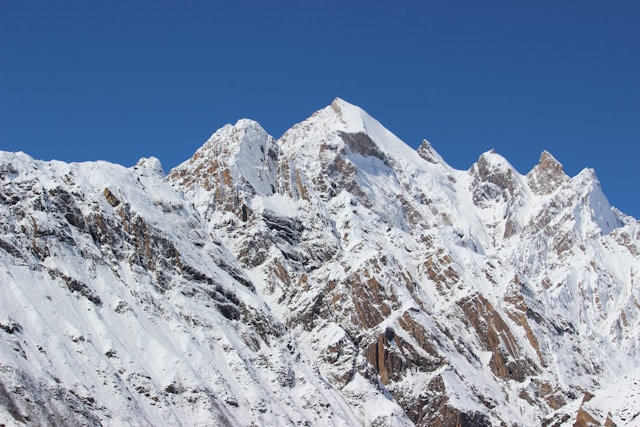
On clear mornings, the snow-covered summit glows in the golden rays of the rising sun, creating a spectacular sight that leaves visitors spellbound.
Highlights
- Sacred mountain dedicated to Lord Shiva
- Stunning Himalayan landscape
- Ideal place for meditation and prayer
- Peaceful and less crowded than many other pilgrimage destinations
2. Parvati Sarovar
Located near Adi Kailash, Parvati Sarovar is a crystal-clear glacial lake believed to be associated with Goddess Parvati.
According to Hindu mythology, Goddess Parvati used this sacred lake during her time in the Himalayas with Lord Shiva. Pilgrims perform rituals, offer flowers, and pray beside the lake before seeking the blessings of Adi Kailash.
The reflection of the snow-capped mountain in the calm waters of Parvati Sarovar creates one of the most picturesque views of the entire journey.
Why Visit?
- Sacred pilgrimage site
- Peaceful atmosphere for meditation
- Excellent photography location
- Spiritual significance in Hindu mythology
3. Om Parvat
One of the most extraordinary attractions of the region is Om Parvat, located near the India–Nepal border.
The mountain is famous for a naturally occurring snow formation that resembles the sacred Hindu symbol "ॐ" (Om). Unlike artificial markings, this pattern forms naturally on the mountain's dark rock face, making it a remarkable phenomenon.
For devotees, witnessing the Om symbol is considered highly auspicious and spiritually uplifting.
Spiritual Importance
- Represents the cosmic sound "Om"
- Symbolizes creation, preservation, and liberation
- Believed to bring peace and positive energy
4. Gunji Village
Gunji is a scenic Himalayan village that serves as an important base camp for the Adi Kailash and Om Parvat pilgrimages.
Surrounded by towering mountains and lush valleys, Gunji offers visitors a chance to experience the simple lifestyle of the local Rang (Shauka) community.
Attractions
- Traditional stone houses
- Himalayan views
- Local culture and cuisine
- Beautiful sunrise and sunset points
5. Kutti Village
Kutti is one of the oldest villages in the region and is believed to have historical connections with the Mahabharata.
The village is known for its rich traditions, friendly residents, and panoramic mountain views.
Visitors can enjoy:
- Traditional Himalayan architecture
- Local handicrafts
- Organic farming
- Peaceful walking trails
Accommodation During the Yatra
Accommodation along the Adi Kailash route is simple yet comfortable. Since the pilgrimage passes through remote Himalayan villages, luxury hotels are limited.
Available Options
- Tourist rest houses
- Guest houses
- Homestays
- Camps (on selected routes)
- Government tourist accommodations
- Tent accommodation during peak season
Rooms are generally clean and equipped with basic facilities such as beds, blankets, and attached or shared bathrooms depending on the location.
Booking through an authorized tour operator is recommended, especially during the pilgrimage season.
Food During the Adi Kailash Yatra
The food served during the pilgrimage is simple, nutritious, and primarily vegetarian.
Common Meals
Breakfast
- Tea or coffee
- Bread and butter
- Paratha
- Porridge
- Poha
- Upma
Lunch
- Rice
- Dal
- Seasonal vegetables
- Chapati
- Pickle
Dinner
- Soup
- Dal
- Rice
- Chapati
- Mixed vegetables
- Dessert (occasionally)
Snacks
- Biscuits
- Dry fruits
- Energy bars
- Fruits
- Tea
As the altitude increases, lighter meals are generally preferred to aid digestion.
Packing List for Adi Kailash
Packing wisely is essential due to the changing weather conditions in the Himalayas.
Clothing
- Thermal innerwear
- Fleece jacket
- Down jacket
- Waterproof jacket
- Trekking pants
- Woollen cap
- Sun hat
- Gloves
- Woollen socks
- Comfortable nightwear
Footwear
- Waterproof trekking shoes
- Sports shoes
- Slippers or sandals
Personal Essentials
- Sunglasses with UV protection
- Sunscreen (SPF 50+)
- Lip balm
- Moisturizer
- Water bottle
- Personal medicines
- Basic first-aid kit
- Power bank
- Torch or headlamp
- Identity documents
- Extra passport-size photographs
Photography Tips
The Adi Kailash region is a paradise for photographers.
Best photography subjects include:
- Snow-covered Himalayan peaks
- Sunrise over Adi Kailash
- Reflection in Parvati Sarovar
- Om Parvat
- Rivers and waterfalls
- Himalayan villages
- Prayer flags
- Local festivals and traditions
- Wildflowers during summer
Best Time for Photography
- Early morning
- Late afternoon (golden hour)
- Clear days after rainfall
Responsible Tourism
The Adi Kailash region is environmentally sensitive. Visitors are encouraged to follow responsible travel practices.
Do's
- Respect local customs and traditions.
- Carry reusable water bottles.
- Dispose of waste responsibly.
- Stay on designated trails.
- Support local businesses and homestays.
- Seek permission before photographing local people.
Don'ts
- Do not litter.
- Avoid using single-use plastics.
- Do not disturb wildlife.
- Avoid loud music near temples or sacred sites.
- Do not damage natural or religious landmarks.
Safety Tips
To ensure a smooth and enjoyable pilgrimage:
- Follow your tour leader's instructions.
- Acclimatize properly to high altitude.
- Drink plenty of water.
- Wear layered clothing.
- Keep emergency contacts handy.
- Carry copies of your permits and ID.
- Monitor weather updates before traveling.
- Avoid unnecessary physical exertion on arrival at higher altitudes.
Why Choose the Adi Kailash Yatra in 2027?
The 2027 pilgrimage season offers an excellent opportunity to experience one of India's most sacred Himalayan destinations. Improved road connectivity, better accommodation options, and organized tour services have made the journey more convenient while preserving its spiritual essence.
Whether you seek divine blessings, breathtaking mountain landscapes, or a deeper connection with nature, the Adi Kailash Yatra provides an unforgettable experience that combines faith, adventure, and serenity.
Frequently Asked Questions (FAQs)
1. What is Adi Kailash?
Adi Kailash, also known as Chhota Kailash, is a sacred Himalayan peak located in the Pithoragarh district of Uttarakhand, India. It is considered one of the revered abodes of Lord Shiva and resembles the famous Mount Kailash in Tibet.
2. Where is Adi Kailash located?
Adi Kailash is situated near the India–Nepal and India–Tibet borders in the Kumaon region of Uttarakhand.
3. Why is Adi Kailash famous?
Adi Kailash is famous for its religious significance, breathtaking Himalayan scenery, Parvati Sarovar, and the nearby Om Parvat, where a natural snow formation resembles the sacred symbol "ॐ".
4. Is Adi Kailash the same as Mount Kailash?
No. Adi Kailash is located in India, while Mount Kailash is in Tibet (China). However, Adi Kailash is considered a spiritually significant counterpart and is often called Chhota Kailash.
5. What is the altitude of Adi Kailash?
The peak stands at approximately 5,945 meters (19,505 feet) above sea level.
6. What is the best time to visit Adi Kailash?
The best months are May, June, September, and October, when weather conditions are generally favorable and mountain views are clear.
7. Is the Adi Kailash Yatra difficult?
The journey is moderately challenging due to high altitude and long road travel. Basic physical fitness is recommended.
8. Is trekking compulsory?
Most of the journey can now be completed by road, with only short walks required at certain locations depending on the itinerary and road conditions.
9. Do I need an Inner Line Permit?
Yes. Since the route passes through a sensitive border area, an Inner Line Permit issued by the authorities is required.
10. Can senior citizens join the yatra?
Yes. Many senior citizens undertake the pilgrimage successfully, provided they are medically fit and have consulted their doctor beforehand.
11. Is a medical check-up necessary?
A medical examination is strongly recommended before the journey, especially for travelers with heart, lung, or blood pressure conditions.
12. How many days does the Adi Kailash Yatra take?
Most organized tours last 7 to 10 days, depending on the starting point and itinerary.
13. What is Om Parvat?
Om Parvat is a sacred mountain known for its naturally occurring snow pattern that resembles the Hindu symbol "ॐ".
14. Can Om Parvat and Adi Kailash be visited together?
Yes. Most tour packages include both destinations in the same itinerary.
15. What is Parvati Sarovar?
Parvati Sarovar is a holy lake near Adi Kailash associated with Goddess Parvati and is an important stop during the pilgrimage.
16. Are foreign nationals allowed?
Yes, subject to prevailing government regulations, permits, and required documentation. Travelers should check the latest rules before planning their visit.
17. Is photography allowed?
Photography is generally permitted at most locations. However, photography may be restricted near certain military or security installations.
18. Is mobile network available?
Mobile connectivity is limited. BSNL generally offers the widest coverage in remote areas, but signal availability can vary.
19. Are ATMs available?
ATMs are available in towns such as Dharchula. Carry sufficient cash before proceeding into remote regions.
20. Is internet available?
Internet access is limited and may be unavailable in higher Himalayan areas.
21. What kind of accommodation is available?
Guesthouses, homestays, tourist lodges, and camps are available along the route, offering basic but comfortable facilities.
22. Is vegetarian food available?
Yes. Most meals provided during the pilgrimage are vegetarian.
23. What clothes should I pack?
Carry layered warm clothing, thermals, waterproof outerwear, trekking shoes, gloves, a woolen cap, sunglasses, and rain protection.
24. Is altitude sickness common?
Some travelers may experience symptoms such as headache, fatigue, or breathlessness. Proper acclimatization and hydration help reduce the risk.
25. Can children join the yatra?
Children can participate if they are in good health and prepared for long journeys and high-altitude conditions. Parents should consult a pediatrician if needed.
26. Is travel insurance recommended?
Yes. Comprehensive travel insurance that includes high-altitude travel and medical emergencies is advisable.
27. What documents should I carry?
Keep a valid government-issued ID, passport (for foreign nationals), passport-size photographs, permits, and any required medical documents.
28. Is there snowfall during the yatra season?
Snow may remain at higher elevations during early summer. Fresh snowfall is also possible later in the season depending on weather conditions.
29. Can I drive my own vehicle?
Private vehicles may be permitted on certain sections of the route, subject to road conditions and local regulations. Check the latest advisories before traveling.
30. Why should I visit Adi Kailash?
Adi Kailash offers a unique blend of spirituality, Himalayan beauty, adventure, and cultural heritage, making it one of India's most rewarding pilgrimage destinations.
Distance Chart (Approximate)
| Route | Distance |
|---|---|
| Delhi – Kathgodam | 300 km |
| Kathgodam – Almora | 90 km |
| Almora – Pithoragarh | 120 km |
| Pithoragarh – Dharchula | 95 km |
| Dharchula – Gunji | 70 km |
| Gunji – Nabi | 22 km |
| Nabi – Kutti | 18 km |
| Kutti – Jyolingkong (Adi Kailash Base) | 14 km |
Essential Travel Tips
- Book your tour well in advance during the pilgrimage season.
- Complete permit formalities before departure.
- Stay hydrated and avoid overexertion at high altitudes.
- Pack medicines, energy snacks, and reusable water bottles.
- Follow local customs and respect religious sites.
- Check weather forecasts and road updates before traveling.
- Avoid plastic waste and help preserve the Himalayan environment.
- Always follow the instructions of local authorities and your tour leader.
Conclusion
The Adi Kailash Yatra is more than a pilgrimage—it's a journey into the heart of the Himalayas where faith, nature, and adventure come together. From the majestic Adi Kailash peak and the serene waters of Parvati Sarovar to the awe-inspiring Om Parvat, every step offers a memorable spiritual experience.
Whether you are a devotee of Lord Shiva, a mountain enthusiast, or a traveler seeking peace, the Adi Kailash Yatra from Kathgodam provides an unforgettable opportunity to connect with the divine while exploring one of India's most pristine Himalayan regions.
With improved infrastructure, organized tour packages, and growing accessibility, 2027 is an excellent year to undertake this sacred journey and create memories that will last a lifetime.
Share this guide
Latest Blog Posts
Latest News: Adi Kailash Yatra 2027 – Complete Travel Guide, Route, Best Time, History & FAQ
YATRI STORIES
View All Reviews What Our Travelers Say
Real experiences from pilgrims and families who trusted Ojas Travel for Char Dham, Kailash & India tours.
A visit to the Somnath temple was the highlight of my India trip. The experience was flawless, from start to finish.
Had a wonderful time at the Kashi Vishwanath temple. The entire trip was well-organized and very comfortable.
The Kailash Yatra was a life-changing experience. The trek was tough but incredibly rewarding. The guidance and arrangements were perfect, making the pilgrimage smooth and memorable.
The Dwaraka pilgrimage was a beautiful experience. The arrangements were top-notch and every moment felt special.
Tirupati Balaji was a dream come true. The trip was perfectly coordinated, and I felt taken care of throughout.
