
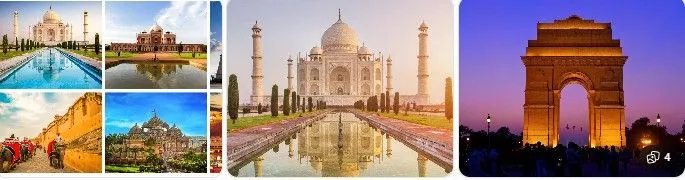
- Why Is It Called the Golden Triangle?
- Golden Triangle Tour Route
- Best Time to Visit Golden Triangle Tour
- October to March (Best Season)
- April to June (Summer)
- July to September (Monsoon)
- Top Attractions in Delhi
- Red Fort
- Qutub Minar
- India Gate
- Humayun's Tomb
- Lotus Temple
- Jama Masjid
- Chandni Chowk
- Taj Mahal
- Agra Fort
- Mehtab Bagh
- Itmad-ud-Daulah
- 1. Amber Fort
- Highlights
- Highlights
- Attractions
- Best Shopping Places in Jaipur
- Famous Food in Jaipur
- Must-Try Dishes
- Best Time to Visit Jaipur
- 1. What is the Golden Triangle Tour in India?
- 2. How many days are required for the Golden Triangle Tour?
- 3. Which cities are included in the Golden Triangle Tour?
- 4. What is the best time to visit the Golden Triangle?
- 5. How far is the Golden Triangle route?
- 6. Can the Golden Triangle Tour be done by road?
- 7. Is the Golden Triangle Tour suitable for families?
- 8. What are the must-visit attractions on the Golden Triangle Tour?
- 9. Is the Golden Triangle Tour safe for foreign tourists?
- 10. What type of accommodation is available?
- 11. What local foods should I try during the Golden Triangle Tour?
- 12. Can I visit the Taj Mahal during sunrise?
- 13. Do I need a guide for the Golden Triangle Tour?
- 14. What should I pack for the Golden Triangle Tour?
- 15. Why is the Golden Triangle Tour so popular?
The Golden Triangle Tour is India's most popular travel circuit, connecting three iconic cities—Delhi, Agra, and Jaipur. Forming a triangular route on the map, this journey showcases India's rich history, magnificent architecture, vibrant culture, colorful markets, and royal heritage. Whether you're a first-time visitor to India or a seasoned traveler, the Golden Triangle offers an unforgettable experience filled with UNESCO World Heritage Sites, grand forts, magnificent palaces, and authentic Indian cuisine.
Covering approximately 720–750 kilometers, the Golden Triangle can be comfortably explored in 5 to 7 days. Travelers witness the bustling streets of Delhi, admire the breathtaking beauty of the Taj Mahal in Agra, and immerse themselves in Rajasthan's royal traditions in Jaipur.
The route combines the legacy of the Mughal Empire, Rajput kingdoms, and British colonial architecture, making it one of the most culturally diverse journeys in Asia. Excellent highways, modern expressways, luxury hotels, boutique heritage properties, and convenient transportation make this itinerary suitable for families, couples, solo travelers, photographers, history enthusiasts, and international tourists.
Why Is It Called the Golden Triangle?
The tour derives its name from the triangular shape formed by the three cities on India's map.
- Delhi – India's capital city
- Agra – Home of the Taj Mahal
- Jaipur – The Pink City of Rajasthan
Each destination offers unique experiences:
- Ancient monuments
- Royal palaces
- UNESCO World Heritage Sites
- Bustling bazaars
- Traditional handicrafts
- Delicious regional cuisine
- Spiritual landmarks
- Luxury heritage hotels
Together, these cities represent the heart of India's historical and cultural identity.
Golden Triangle Tour Route
The classic itinerary follows this sequence:
Delhi → Agra → Jaipur → Delhi
Approximate distances:
| Route | Distance | Travel Time |
| Delhi to Agra | 230 km | 3–4 Hours |
| Agra to Jaipur | 240 km | 4–5 Hours |
| Jaipur to Delhi | 280 km | 5–6 Hours |
Modern expressways have significantly reduced travel time, making road journeys comfortable.
Best Time to Visit Golden Triangle Tour
Choosing the right season greatly enhances your travel experience.
October to March (Best Season)
The winter months offer pleasant weather ideal for sightseeing.
Temperature:
- 8°C–28°C
Perfect for:
- Taj Mahal Sunrise Tour
- Fort exploration
- Outdoor photography
- Shopping
- Walking tours
April to June (Summer)
Summers can be extremely hot.
Temperature:
- 30°C–45°C
Advantages:
- Lower hotel prices
- Fewer tourists
- Attractive discounts
July to September (Monsoon)
The rainy season transforms monuments and gardens into lush green landscapes.
Ideal for:
- Photography
- Budget travelers
- Nature lovers
Delhi – The Capital of India
Delhi is the starting point of most Golden Triangle tours. The city beautifully blends ancient Mughal heritage with modern urban life.
Top Attractions in Delhi
Red Fort
Built by Emperor Shah Jahan in 1648, the Red Fort is one of India's most important historical monuments and a UNESCO World Heritage Site.
Highlights:
- Red sandstone architecture
- Mughal museums
- Sound & Light Show
- Independence Day celebrations
Qutub Minar
Standing at 73 meters, Qutub Minar is the tallest brick minaret in the world.
Highlights:
- UNESCO Site
- Indo-Islamic architecture
- Iron Pillar
- Beautiful gardens
India Gate
A war memorial dedicated to Indian soldiers who sacrificed their lives during World War I.
Best Time:
Evening
Activities:
- Street food
- Night photography
- Family outings
Humayun's Tomb
This magnificent Mughal monument inspired the design of the Taj Mahal.
Highlights:
- Persian gardens
- Symmetrical architecture
- UNESCO Site
Lotus Temple
Known for its flower-shaped architecture, the Lotus Temple welcomes visitors of all religions.
Ideal for:
- Meditation
- Peaceful surroundings
- Photography
Jama Masjid
One of India's largest mosques, built by Shah Jahan.
Features:
- Massive courtyard
- Beautiful domes
- Historic marketplace nearby
Chandni Chowk
Delhi's oldest marketplace offers:
- Street food
- Silver jewelry
- Wedding shopping
- Traditional Indian sweets
- Spice Market
Must Try:
- Parathas
- Jalebi
- Chaat
- Lassi
Agra – Home of the Taj Mahal
Agra showcases the grandeur of the Mughal Empire and remains one of the world's most visited tourist destinations.
Taj Mahal
The Taj Mahal is India's most iconic monument and one of the Seven Wonders of the World.
Built by:
Shah Jahan
In memory of:
Mumtaz Mahal
Construction:
1632–1653
Highlights:
- White marble architecture
- Intricate carvings
- Reflection pool
- Sunrise photography
- UNESCO World Heritage Site
The Taj Mahal changes color throughout the day, appearing pink in the morning, bright white during midday, and golden under moonlight.
Agra Fort
Located just 2.5 km from the Taj Mahal, Agra Fort served as the residence of Mughal emperors.
Highlights:
- Jahangir Palace
- Diwan-i-Khas
- Diwan-i-Aam
- Musamman Burj
- Beautiful views of the Taj Mahal
Mehtab Bagh
Situated across the Yamuna River, this garden provides one of the best panoramic views of the Taj Mahal.
Perfect for:
- Sunset photography
- Peaceful walks
- Couples
Itmad-ud-Daulah
Often called the "Baby Taj," this elegant marble mausoleum is famous for its intricate pietra dura work and beautiful Mughal gardens.
Jaipur – The Pink City of India
Jaipur, the capital of Rajasthan, is the final destination of the Golden Triangle Tour and is famously known as the Pink City. Founded in 1727 by Maharaja Sawai Jai Singh II, Jaipur is celebrated for its magnificent forts, royal palaces, vibrant bazaars, and rich Rajput heritage. The city's distinctive pink-colored buildings symbolize hospitality and create a charming atmosphere that attracts millions of visitors each year.
As part of the UNESCO-listed Hill Forts of Rajasthan, Jaipur perfectly blends history, culture, architecture, and modern tourism. Whether you're exploring majestic forts, shopping for traditional handicrafts, or savoring authentic Rajasthani cuisine, Jaipur offers an unforgettable travel experience.
Top Tourist Attractions in Jaipur
1. Amber Fort
Amber Fort (Amer Fort) is Jaipur's most famous attraction and a UNESCO World Heritage Site. Built in the 16th century, this magnificent hilltop fort showcases a beautiful blend of Rajput and Mughal architecture.
Highlights
- Sheesh Mahal (Mirror Palace)
- Ganesh Pol
- Diwan-e-Aam
- Diwan-e-Khas
- Beautiful courtyards
- Light and Sound Show
- Panoramic views of Maota Lake
Best Time to Visit: Early morning or late afternoon
2. Hawa Mahal
Hawa Mahal, also known as the Palace of Winds, is one of India's most photographed monuments. Built in 1799, it features 953 intricately designed windows (jharokhas) that allowed royal women to observe street festivities while remaining unseen.
Highlights
- Iconic pink sandstone façade
- Stunning architecture
- City views
- Excellent photography spot
3. City Palace
Located in the heart of Jaipur, the City Palace is still home to the royal family of Jaipur. The palace complex includes museums, royal courtyards, gardens, and beautifully decorated gates.
Attractions
- Chandra Mahal
- Mubarak Mahal
- Peacock Gate
- Royal Museum
- Traditional weapons collection
4. Jantar Mantar
A UNESCO World Heritage Site, Jantar Mantar is the world's largest stone astronomical observatory. Built by Maharaja Sawai Jai Singh II, it houses fascinating astronomical instruments used to measure time, predict eclipses, and observe celestial bodies.
5. Nahargarh Fort
Situated on the Aravalli Hills, Nahargarh Fort offers spectacular panoramic views of Jaipur, especially during sunset.
Popular Activities
- Sunset photography
- Cafés overlooking the city
- Night views
- Historic architecture
6. Jaigarh Fort
Jaigarh Fort is famous for housing the Jaivana Cannon, one of the world's largest wheeled cannons. The fort also offers breathtaking views of Amber Fort and the surrounding hills.
7. Jal Mahal
Located in the middle of Man Sagar Lake, Jal Mahal appears to float on the water and is one of Jaipur's most picturesque landmarks.
Best for
- Photography
- Evening walks
- Bird watching
Best Shopping Places in Jaipur
Jaipur is a paradise for shoppers.
Popular Markets
- Johari Bazaar – Gold and gemstone jewelry
- Bapu Bazaar – Mojaris and textiles
- Tripolia Bazaar – Bangles and handicrafts
- Chandpole Market – Marble and wooden handicrafts
- Nehru Bazaar – Souvenirs and traditional clothing
Popular Things to Buy
- Blue Pottery
- Bandhani Sarees
- Block Print Fabrics
- Leather Mojaris
- Gemstones
- Silver Jewelry
- Handcrafted Carpets
- Miniature Paintings
Famous Food in Jaipur
Food lovers should not miss Jaipur's authentic Rajasthani cuisine.
Must-Try Dishes
- Dal Baati Churma
- Laal Maas
- Gatte Ki Sabzi
- Pyaaz Kachori
- Mirchi Vada
- Ghewar
- Mawa Kachori
- Rabri
- Lassi
Best Time to Visit Jaipur
October to March is the ideal time to visit Jaipur.
Temperature: 10°C to 28°C
This season is perfect for:
- Sightseeing
- Fort visits
- Shopping
- Cultural festivals
- Photography
Why Visit Jaipur?
Jaipur is the perfect finale to the Golden Triangle Tour because it offers:
- Magnificent forts and palaces
- UNESCO World Heritage Sites
- Rich Rajput history
- Vibrant local markets
- Authentic Rajasthani cuisine
- Traditional folk music and dance
- Luxury heritage hotels
- Excellent photography opportunities
With its royal heritage, colorful streets, and warm hospitality, Jaipur delivers an unforgettable cultural experience and completes the Golden Triangle journey with the grandeur of Rajasthan.
Frequently Asked Questions (FAQs) – Golden Triangle Tour Guide
1. What is the Golden Triangle Tour in India?
The Golden Triangle Tour is India's most popular travel circuit covering Delhi, Agra, and Jaipur. It showcases India's rich history, culture, architecture, and heritage, including famous landmarks like the Taj Mahal, Red Fort, and Amber Fort.
2. How many days are required for the Golden Triangle Tour?
A 5 to 7-day itinerary is ideal for exploring the Golden Triangle. If you have limited time, a 4-day tour is possible, while 7–10 days allow for a more relaxed experience with nearby attractions.
3. Which cities are included in the Golden Triangle Tour?
The classic Golden Triangle Tour includes:
- Delhi
- Agra
- Jaipur
Some extended itineraries also include destinations like Ranthambore, Udaipur, Varanasi, Pushkar, or Rishikesh.
4. What is the best time to visit the Golden Triangle?
The best time to visit is from October to March, when the weather is pleasant for sightseeing. Summers (April–June) can be very hot, while the monsoon season (July–September) offers lush landscapes and fewer crowds.
5. How far is the Golden Triangle route?
The total distance of the Golden Triangle circuit is approximately 720–750 km, depending on your travel route.
6. Can the Golden Triangle Tour be done by road?
Yes. The tour is well-connected by modern highways and expressways, making road travel one of the most convenient options. Private cars, taxis, and luxury coaches are commonly used.
7. Is the Golden Triangle Tour suitable for families?
Yes, the Golden Triangle Tour is perfect for families, couples, solo travelers, senior citizens, and international tourists. The route offers comfortable accommodations, excellent transport, and attractions suitable for all age groups.
8. What are the must-visit attractions on the Golden Triangle Tour?
Some of the top attractions include:
- Taj Mahal
- Agra Fort
- Red Fort
- India Gate
- Qutub Minar
- Humayun's Tomb
- Amber Fort
- City Palace
- Hawa Mahal
- Jantar Mantar
9. Is the Golden Triangle Tour safe for foreign tourists?
Yes, the Golden Triangle is one of India's safest and most visited tourist circuits. Travelers should follow general safety precautions, use licensed guides, and book with reputable tour operators.
10. What type of accommodation is available?
The route offers a wide range of accommodations, including:
- Budget hotels
- Boutique stays
- Heritage hotels
- Luxury resorts
- 5-star international hotels
11. What local foods should I try during the Golden Triangle Tour?
Some must-try dishes include:
- Delhi: Chole Bhature, Paratha, Chaat
- Agra: Petha, Mughlai Cuisine
- Jaipur: Dal Baati Churma, Ghewar, Laal Maas, Kachori
12. Can I visit the Taj Mahal during sunrise?
Yes. Sunrise is considered the best time to visit the Taj Mahal due to pleasant weather, fewer crowds, and excellent lighting for photography.
13. Do I need a guide for the Golden Triangle Tour?
While not mandatory, hiring a licensed local guide can greatly enhance your experience by providing historical insights and helping you explore each destination more efficiently.
14. What should I pack for the Golden Triangle Tour?
Carry:
- Comfortable walking shoes
- Light cotton clothes (summer)
- Warm jacket (winter)
- Sunglasses
- Sunscreen
- Hat or cap
- Reusable water bottle
- Camera
- Valid ID and travel documents
15. Why is the Golden Triangle Tour so popular?
The Golden Triangle Tour is popular because it combines India's most iconic historical monuments, royal palaces, UNESCO World Heritage Sites, vibrant markets, delicious cuisine, and diverse cultural experiences into one unforgettable journey, making it an ideal introduction to India for both domestic and international travelers.