- What Exactly Is the Aerial Darshan and Why Does It Suit So Many Pilgrims
- Monthly Weather Guide for Kailash Mansarovar Aerial Darshan
- Which Month Is Best for Kailash Mansarovar Yatra
- 1. Late Spring, May to Early June
- 2. Autumn, September to October
- Travelling During the Monsoon: What You Should Know
- Why Ojas Travel Should Be Your Travel Partner
- Summary
- Frequently Asked Questions
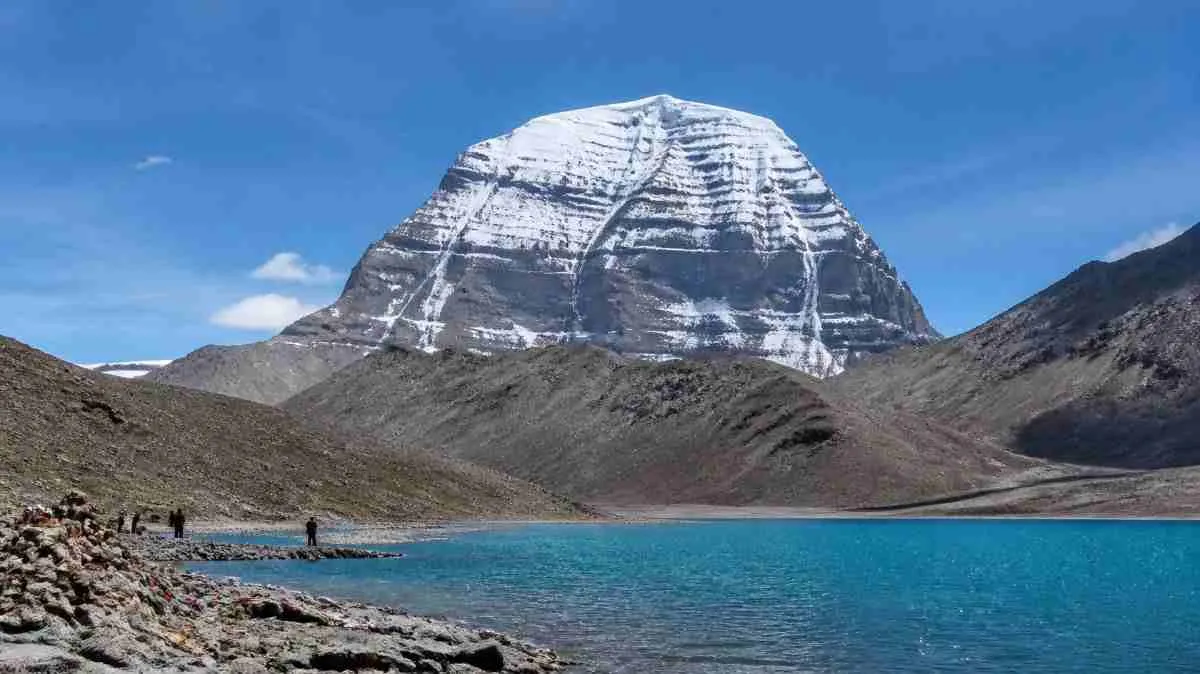
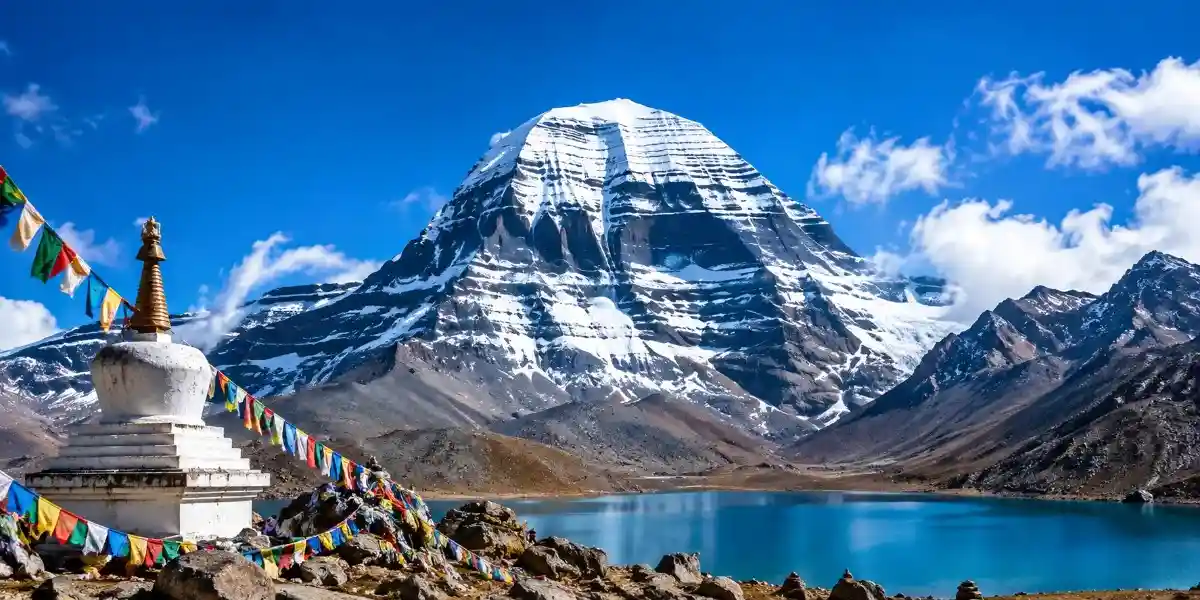
Mount Kailash has pulled pilgrims towards its snowy dome for thousands of years, and not everyone can manage the long trek around it. That is exactly why the Kailash Mansarovar aerial darshan has become such a blessing for families, senior citizens and anyone who wants the darshan without the physical strain. But timing matters here more than most people realise.
Weather over the Himalayas changes quickly, and a flight that gives crystal clear views in one month can be grounded by cloud cover in another. So before you book your seat, it helps to understand exactly when the skies over Kailash and Mansarovar open up the best.
This guide walks you through the month-by-month weather pattern so you can plan your best Kailash Mansarovar darshan yatra.
What Exactly Is the Aerial Darshan and Why Does It Suit So Many Pilgrims
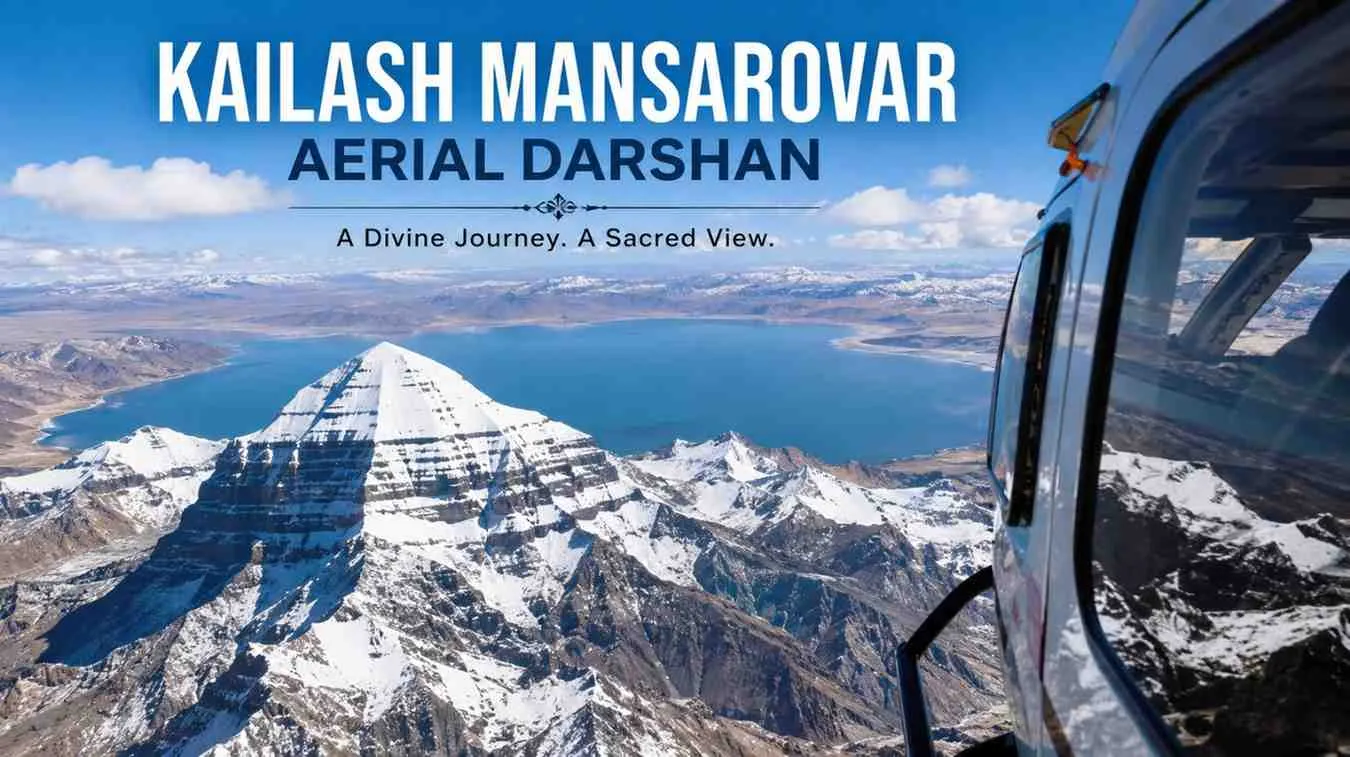
The aerial darshan is a short chartered flight that takes off from Nepalgunj and flies over the western Himalayan belt, giving passengers a divine view of Mount Kailash, Lake Mansarovar and neighbouring peaks such as Api, Saipal and Nampa from a height of around 27,000 feet.
The whole flight lasts roughly seventy minutes, and there is no walking, no camping and no altitude trekking involved. Pilgrims travel by road from Lucknow to Nepalgunj, stay in comfortable hotels, board the flight, and return the same way.
No passport or China document is required for this particular route, which is one reason it appeals so strongly to older travellers, children and those with limited mobility.
Monthly Weather Guide for Kailash Mansarovar Aerial Darshan
Travel Period | Weather Conditions | Average Temperature | Travel Experience |
April to May | Snow begins melting, with clearer skies and pleasant days, though nights remain cold. | -8°C to 12°C | Pilgrimage season begins with improved road conditions, good visibility, and fewer crowds. |
June to August | Mild weather with monsoon showers in Nepal. Tibet receives less rainfall, but conditions can change quickly. | 2°C to 16°C | Peak travel season with comfortable weather. Some travel schedules may be affected during the monsoon. |
September to October | Cool, dry weather with clear skies and excellent mountain views. Nights become colder. | -5°C to 14°C | A preferred time for pilgrims due to stable weather and great visibility. |
November to March | Heavy snowfall and freezing temperatures. | Below -10°C | Travel is generally not recommended as most routes remain closed. |
Which Month Is Best for Kailash Mansarovar Yatra
When it comes to the best time to travel to Kailash Mansarovar, choose either the late-spring window or the post-monsoon autumn stretch. Here is why these periods work so well.
1. Late Spring, May to Early June
- Days are mild and nights are manageable with proper woollens.
- Skies stay largely clear, giving flights a strong chance of an unobstructed view.
- Roads and airstrips are fully operational after the winter closure.
2. Autumn, September to October
- This is widely considered the best month to visit Kailash Mansarovar by pilgrims and guides alike.
- The monsoon has washed the dust out of the air, leaving the mountain looking almost unreal in its clarity.
- Kailash Mansarovar temperature is cool but comfortable, and the festival season back home often lines up nicely with travel dates.
Travelling During the Monsoon: What You Should Know
Many pilgrims ask about Kailash Mansarovar travel during monsoon, and this season requires extra caution. Between July and August, low cloud sits over the Himalayan range. Flights get delayed, sometimes for a full day, because pilots need a clear line of sight to the peak. Roads can also see landslides on certain stretches. It is not that the region shuts down entirely, but if seeing the mountain clearly matters to you, this is not the ideal window.
Mount Kailash Weather in September: The Golden Window
There is something special about mount Kailash weather in September. The monsoon retreats, humidity drops sharply, and the peak often stands out against a deep blue sky with almost no haze. Nights are cold at the base camps and guesthouses, so warm layers remain essential, but the daytime clarity during this month is genuinely difficult to beat.
Choosing Between Aerial Darshan, Helicopter Route and the Overland Journey
Not every pilgrim wants the same style of trip, and weather suitability differs slightly across each route.
Route Option | Duration | Physical Effort | Best Suited For |
Kailash Mansarovar Aerial Darshan | 2 nights, 3 days | None | Seniors, families, first-time pilgrims |
Shorter multi-day trip via Kathmandu and Simikot | Low to moderate | Pilgrims wanting closer proximity without a full trek | |
13 days, 12 nights via Kathmandu, Nyalam and Saga | High, includes parikrama trekking | Fit pilgrims seeking the full traditional circuit |
Whichever route you pick, the Kailash Mansarovar yatra best time remains broadly the same, May to June and September to October, since these windows offer the calmest weather across air, road and trekking sections alike.
Why Ojas Travel Should Be Your Travel Partner
Ojas Travel have been organising journeys to the Himalayas since 1986, and Kailash Mansarovar remains close to our hearts. We are a trusted Nepal Travel Agency working across India, Nepal and Tibet. We do not just book seats and hotels; we brief every pilgrim on what to expect, we arrange pure vegetarian meals throughout the journey, and keep buffer days built into our schedules in case the weather over Kailash turns hazy.
Whether you choose the Kailash Mansarovar aerial darshan, the helicopter route, or the complete overland pilgrimage, our crew stays with you from pickup to drop-off, handling permits, transfers and every small detail so your only task is to witness the divine Kailash Mansarovar darshan.
Summary
The best time to visit Kailash Mansarovar can make all the difference to your darshan experience. Clear skies, pleasant weather and good visibility during May to early June and September to October offer the highest chances of witnessing the sacred Mount Kailash in all its glory.
Whether you choose the Kailash Mansarovar Aerial Darshan, a helicopter journey or the traditional overland route, planning your trip during the right season helps ensure a smoother and more memorable pilgrimage. With the right preparation and an experienced travel partner like Nepal Tourism Package, you can focus on what truly matters - a peaceful and spiritually fulfilling darshan.
Frequently Asked Questions
Kailash Mansarovar weather and temperature guide?
Temperatures range from freezing winter lows of minus 20°C to pleasant summer highs near 15 to 18°C. May, June, September and October offer the most stable and comfortable conditions for travel and viewing.
How is Kailash Mansarovar travel during the monsoon?
During the monsoon, the months of July and August come with dense clouds and sometimes landslides. Flights tend to get delayed, and the view of the mountain becomes very limited due to reduced visibility; hence, these months should be avoided for better darshan.
Which month is better for Kailash Mansarovar yatra?
September and October are the best months to visit because of clear skies after the monsoons. Apart from that, May and early June can also be considered for the tour.
How many days do you need for Kailash Mansarovar?
The aerial darshan takes just 2 nights and 3 days, while the complete overland yatra with parikrama typically requires around 12 to 13 days, including travel through Kathmandu and Tibet.